As an Amazon Associate, we earn from qualifying purchases. Some links on this site are affiliate links at no extra cost to you. Our recommendations are based on thorough research and editorial judgment.

What Is The Difference Between U-Brake And V-Brake In BMX?

When we’re talking BMX brakes, U-brakes and V-brakes are the main players! U-brakes mount above the rim and are great for tricks and gyro setups, giving smooth control. V-brakes, on the other hand, attach near the spokes and pack more stopping power, perfect for racing. U-brakes are compact, while V-brakes need a bit more space. Both have their perks, depending on how we ride! Stick around to learn some more cool details about each!
Key Takeaways
- U-brakes mount above the rim, while V-brakes are positioned closer to the spokes, affecting installation and performance.
- V-brakes provide stronger clamping force, ideal for quick stops, while U-brakes excel in modulation for smooth stops.
- U-brakes are better suited for freestyle BMX due to precise control and gyro compatibility, whereas V-brakes might struggle with gyroscopic systems.
- U-brakes have a compact design that fits tight frames, while V-brakes have longer arms that require more space.
- Both brake types have unique pros and cons, influencing selection based on performance needs and riding style preferences.
Mounting Position and Compatibility
You may be interested



When it comes to mounting positions, there are a couple of big differences between U-brakes and V-brakes! U-brakes attach above the rim, while V-brakes mount near the spokes. This may seem minor, but it affects how we need to install and adjust them.
For U-brakes, we often use central or M5 bolts, and cable routing gets a bit tricky with two guides. On the flip side, V-brakes rely on simpler mounting techniques, incorporating posts directly into the frame.
With V-brakes, using just basic Allen keys can make installation a breeze! Plus, they offer easier adjustment options when we need to make changes. So, knowing these installation differences helps us choose what’s best for our rides! Additionally, brake type can significantly impact performance and rider experience.
Recommended Products
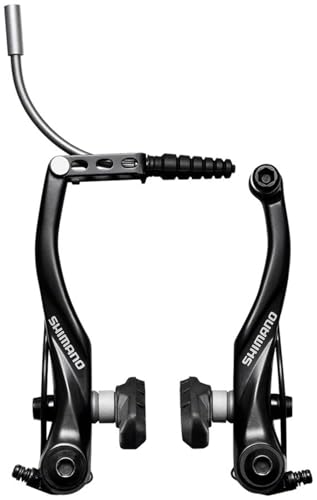
Enhanced stopping power with the BR-T4000 V-Brake featuring S65T brake shoes for reliable performance in all riding conditions.

CNC bike V brake Set Forged alloy construction,v shape rim brake newly upgraded, all-aluminum, safe and reliable, long-term durability,V-brake rebound adaptermade of forged aluminum alloy,not plastic on the market.

Bicycle V brake Set New upgraded, suitable for V-Type bicycle brakes;Arm Length: 110mm,Brake Pads Size:60mm.
Mechanical Advantage and Braking Power

Now that we’ve covered how U-brakes and V-brakes mount on our BMX bikes, let’s talk about how they actually stop us! The mechanical leverage of V-brakes is a game changer. With longer arms, they give us a stronger rim clamping force, making braking efficiency better. This means quicker stops! In contrast, U-brakes have shorter arms. They provide decent power but shine when it comes to modulation, allowing us to control our stops more smoothly. So, if we’re racing and need that extra stopping force, let’s grab V-brakes! But for freestyle tricks, U-brakes can be our best friend, giving us the precision we need without overpowering us. It’s all about choosing what feels right for our ride! Additionally, the average weight of competitive BMX race bikes is typically around 16-20 kg, which can influence braking performance.
Recommended Products

CNC bike V brake Set Forged alloy construction,v shape rim brake newly upgraded, all-aluminum, safe and reliable, long-term durability,V-brake rebound adaptermade of forged aluminum alloy,not plastic on the market.

QUIET, RELIABLE BRAKING PERFORMANCE: Experience a smooth, noise-free ride with these bike brake pads crafted from high-quality nitrile rubber. Designed to eliminate the harsh squeal common with low-grade bicycle brake pads, they provide consistent, responsive braking in both dry and wet conditions. Whether you're commuting through the city or enjoying the trails, these v brake pads keep your bicycle brakes performing at their best, mile after mile.
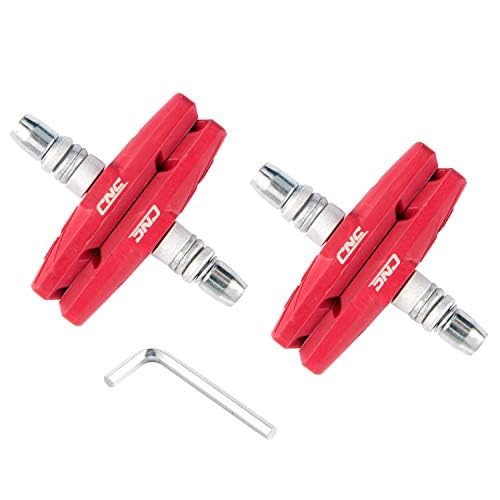
The V Brake Blocks are made by high quality native rubber, durable and No Noise No Skid.
Gyro System Compatibility
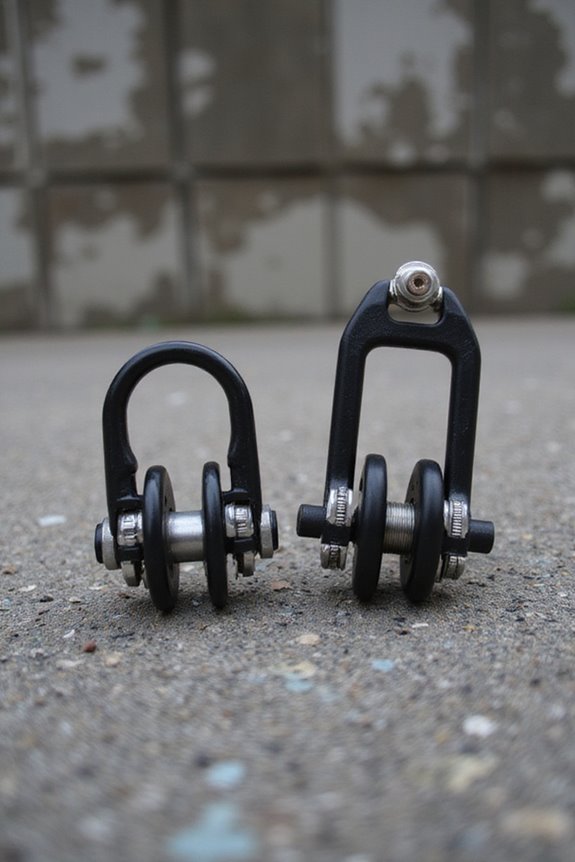
Understanding how our brakes work with gyro systems is key for making the best choice for our BMX rides! When it comes to gyroscopic performance, U-brakes shine because they require a shorter cable pull than V-brakes. This makes brake modulation super smooth and efficient, perfect for all those tricks we love to do!
If we try to mix V-brakes with a gyro system, we can face issues like poor braking power due to the longer cable pull. It complicates our setup and might leave us feeling a bit spongy on the brakes. That’s why sticking with U-brakes is usually the smarter choice. They keep everything simple and reliable, allowing us to focus on our riding! Moreover, U-shaped design increases the friction area, enhancing braking power for those demanding BMX maneuvers.
Recommended Products

HIGH PERFORMANCE:This BMX Bike Gyro Brake Cables Front + Rear (Upper + Lower) Spinner Rotor Complete Set-Stable,Flexible and Long-Lasting; designed specifically for cycling enthusiasts

PACKAGE INCLUDED - This BMX Brake kit includes all components to mount the gyro system to the BMX brake cable housing, includes Rear Cables x2 (upper + lower), Front Brake Cable and Spinner Rotors.

EXTRA LONG: Front brake cables: 16 inch+17.1 inch , rear brake cables: 50.1 inch, brake line pipe cable:47.6 inch, Specially lengthened to avoid being too short and can be cut to the length you want.
Design and Physical Characteristics

BMX brakes come in two main styles: U-brakes and V-brakes. Let’s break down their design evolution and how they stack up in performance comparison. U-brakes are super compact, with arms mounted low and close together, giving them a sleek profile that’s perfect for tight BMX frames. They’re tucked away, making them less likely to get damaged during crashes. On the other hand, V-brakes have longer, bulkier arms mounted higher up, which can be a bit more noticeable on the frame. This design offers greater stopping power but requires more space. Both types are made from lightweight materials, so picking the right brake often comes down to our riding style—whether we prioritize compactness or stopping strength! Additionally, the choice of lightweight materials can significantly influence overall bike performance and handling.
Installation and Frame Considerations

When it comes to installing U-brakes or V-brakes, we have a few significant things to contemplate. First, let’s talk about our frame. U-brakes need specific brake posts, while V-brakes can fit a wider range of frames. If you’re dealing with frames needing modifications, keep that in mind!
Next up, brake lever adjustments are essential! U-brakes require levers that pull less cable, whereas V-brakes need more. We should also verify the cable routing is tidy. U-brakes allow a streamlined setup under the downtube, which is super helpful for maintaining a clean look. Additionally, reliable braking systems are crucial for optimal trick performance and overall safety while riding.
Recommended Products

【Premium Construction Material】High-quality lightweight aluminum alloy for brakes and lever—durable, wear-resistant, and waterproof.Noise-free braking with rubber brake pads for enhanced wear and heat resistance. Wide sand guide design for improved performance.
High-quality Materials: The kit is made of high-quality aluminum alloy. The brake pads are made of special rubber, featuring excellent wear resistance and high-temperature resistance, and can maintain good braking performance in various harsh environments. Even after frequent use for a long time, the brake pads will not wear out easily, providing you with long-lasting and reliable braking protection. Meanwhile, the metal components have undergone special treatment and possess anti-rust and anti-corrosion properties, capable of withstanding the erosion of rain, sweat, etc., thereby extending the service life of the kit.
Model: MG-U-BRK; Bike U Brake Rear Set for BMX Bike.
Usage and Typical Application
In the world of BMX, choosing between U-brakes and V-brakes can really shape our riding experience! For those of us leaning toward freestyle preferences, U-brakes are the go-to choice. They’re compact and work well with gyro systems, letting us pull off those epic 360° spins!
On the other hand, if we’re into race types, V-brakes shine with their strong and responsive braking power. They help us brake quickly on dirt and paved tracks, perfect for those fast-paced races.
While U-brakes rock in street and park settings, offering agility and protection during tricks, V-brakes are all about precision and fine-tuning for speed. It’s all about what suits our style best! Additionally, brake types play a crucial role in the performance and user experience of BMX bikes.
Recommended Products

Odyssey Evo 2.5 U-Brake Black

Odyssey Evo 2.5 U-Brake + Mono Lever + Cable Kit Black BMX Evolver Bike Brake

【Package Contents】: Rim brake caliper x 1, brake handle x 1, brake kit includes all necessary hardware
Pros and Cons of U-Brakes
Let’s check out the pros and cons of U-brakes!
Pros
- Compact Design: Their slim profile fits nicely under the BMX chainstays, keeping them protected during crashes!
- Gyro Compatibility: U-brakes work great with gyro systems, making them ideal for 360-degree spins.
- Reliable Braking Performance: When tuned right, these brakes offer good control for street and park riding.
Cons
- Braking Power: They don’t have as much stopping power as V-brakes, which limits their use in racing.
- Maintenance Challenges: Regular adjustments are needed for peak brake pad alignment and tension. Setting them up can be tricky if you’re not familiar with them.
Pros and Cons of V-Brakes
Pros of V-Brakes****
V-brakes can be a fantastic choice for many riders, especially if we’re looking for something lightweight and cost-effective! They offer great braking efficiency for casual rides, keeping our bikes light and fun. Plus, they’re easier on the wallet, both with regard to initial cost and maintenance.
Cons of V-Brakes
However, we should consider some downsides. V-brakes can lead to rim wear over time, especially with heavy use. They’re not the best option in wet or muddy conditions, where their braking power can fade. We might also notice some squealing at higher speeds, which can be annoying!
In short, if we’re into light, casual riding, V-brakes might be perfect for us!
Frequently Asked Questions
Can I Convert U-Brakes to V-Brakes Without Significant Changes?
We can convert U-brakes to V-brakes, but it requires careful planning. The installation process needs compatible parts and adjustments for brake compatibility. Let’s make sure we have everything ready for a smooth changeover together!
Do U-Brakes Work Well on All BMX Frame Types?
Do U-brakes work well on all BMX frame types? Unfortunately, they don’t. U-brake compatibility varies with frame designs, limiting their use on certain BMX frame variations. Let’s explore which frames suit U-brakes best together!
How Do Weather Conditions Affect Brake Performance?
Weather conditions can heavily impact brake performance; moisture reduces friction levels, while dirt and debris wear brake materials down. We need to stay vigilant in maintenance to guarantee our brakes function at their best, rain or shine.
What Maintenance Is Needed for U-Brakes vs. V-Brakes?
Ever wonder how to keep our BMX brakes in top shape? For U-brakes, we need regular maintenance for proper installation and inspection, while V-brakes demand frequent checks and adjustments to guarantee everything’s running smoothly together.
Are There Aftermarket Options for Enhancing Brake Performance?
Absolutely, there are awesome aftermarket options for enhancing brake performance! Upgrading brake pads can boost stopping power and adjusting cable tension improves feel. Let’s explore these upgrades together; they’ll totally elevate our riding experience!