As an Amazon Associate, we earn from qualifying purchases. Some links on this site are affiliate links at no extra cost to you. Our recommendations are based on thorough research and editorial judgment.

What Torque Settings Should I Use On BMX Bolts?

When we’re talking about BMX bolts, getting the right torque settings is super important for safety and performance! For crank bolts, aim for 12-15 Nm. Stem and handlebar bolts usually need about 6.2 to 16.3 Nm, depending on the brand. Don’t forget the axles either—front ones should be 20.3 to 27.1 Nm, while rears are tighter at 27.1 to 33.9 Nm. Stick around, and we’ll cover more tips on keeping your BMX bike in shape!
Key Takeaways
- Stem bolts should be tightened within a torque range of 8–19 Nm for optimal performance and durability.
- Double pinch crank bolts typically require 12–15 Nm, emphasizing consistency to prevent damage.
- Handlebar clamps generally need 11.3-16.3 Nm, especially when using carbon fiber components.
- Front axle torque should be between 20.3 to 27.1 Nm, while rear axles need 27.1 to 33.9 Nm.
- Brake caliper bolts require 5.7 to 8 Nm, with regular checks necessary to combat loosening from vibrations.
Understanding BMX Bolt Torque Values
You may be interested


Alright, let’s jump into the world of BMX bolt torque values! Understanding these values is super important for us as riders. They’re directly tied to BMX bolt durability and can really impact our performance.
Most bolts have specific torque ranges. For instance, stem bolts usually need 8–19 Nm. If we over-tighten, we risk stripping threads or damaging components. On the flip side, under-tightening can lead to parts slipping—yikes!
It’s all about finding that sweet spot. While some bolts have set values, others might rely on feel. Sometimes we just want to tighten as much as we can without causing harm. So, let’s remember to respect these torque values for a safer and smoother ride! Additionally, using high-intensity steel or quality materials in your bike parts can enhance durability and performance. Happy riding, everyone!
Torque Settings for BMX Crank Bolts
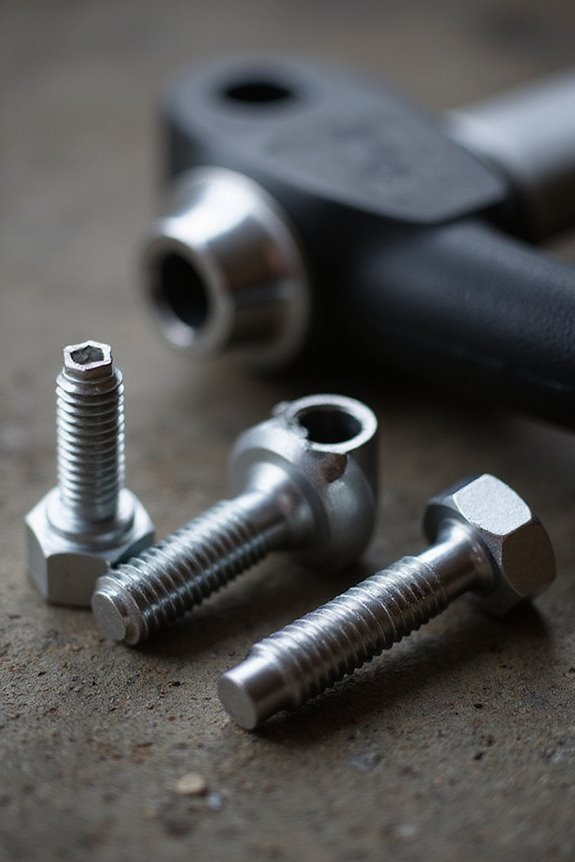
Now, don’t forget about BMX specifications for double pinch bolts—they usually need just 12–15 Nm (106–132 in-lbs). Remember, over-tightening risks damaging those precious parts, so we need to stick to these crank bolt torque values. Consistency is key, and a torque wrench keeps us on track! Additionally, ensuring your bike has safety features is crucial for managing tough landings and enhancing your overall riding experience. Happy riding!
Recommended Products
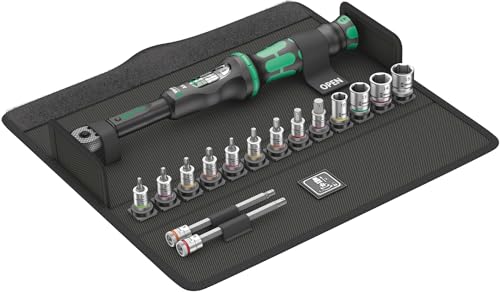
16-piece wrench set for bicycle applications with torque control including Wera Clique-Torque wrench A 5 (2. 5-25 Nm)

Engineered for Professional Automotive Torque Applications – Designed for technicians and serious automotive work including lug nuts, suspension systems, and wheel assembly requiring consistent and repeatable torque accuracy.

Durable Powder Coated Toolbox Contains Essential Mechanic Tools
Stem and Handlebar Bolt Torque Recommendations
When it comes to keeping our BMX bikes running smoothly, verifying our stem and handlebar bolts are tightened correctly is super important! For stem installation, we should aim for around 6.2 Nm for Race Face® forks and 13.6-16.3 Nm for ControlTech® stems. It’s crucial to tighten these bolts evenly and check for stem tightness regularly.
For handlebar clamps, we need about 11.3-16.3 Nm, especially if we’re using carbon fiber; let’s stick to 11.3 Nm to avoid any crushing. When we tighten, let’s make certain there are equal gaps between the handlebar and stem for proper handlebar alignment. Keeping our bikes in top shape means following these torque recommendations—trust us, safety and performance will improve! Regular maintenance, such as checking brake system types, is essential for ensuring optimal riding experience.
Recommended Products

Combo pack includes C5D600F and Breaker Bar Handle

Torque range of 10 to 100 foot pound (13.56 to 135.58 Nm)

【Precise size/ Lowest tolerance / Perfect heat treatment / High hardness / High strength / Long lifetime.】(1) The standard 1 inch torque wrench's ratchet head has very precise dimensions. (2) More auto CNC processes makes the 1 inch torque wrench more accurate. (3) Simultaneously, 1 inch torque wrench undergoes perfect heat treatment to achieve high hardness, strength, and lifetime.(4) 1 inch torque wrench's ratchets can change direction, making it easy to tighten or loosen nut in different working states
Axle Nut Torque Guidelines

After ensuring our handlebars and stem are tight, it’s time to move on to another vital area: the axle nuts!
For the front axle, we should aim for a torque range of 20.3 to 27.1 Nm. The rear axle needs a bit more grip, generally around 27.1 to 33.9 Nm. It’s important to get this right! Too tight can stress our frame, while too loose risks our wheels disconnecting during a ride—yikes!
Using a good torque wrench is essential for accuracy. Let’s check our axle nuts regularly, especially after some hard rides. By keeping things tight and in spec, we’re ensuring a smoother ride and better performance. Additionally, having the right BMX hat can enhance your overall riding experience. So, let’s get to it and keep those wheels spinning safely!
Recommended Products

Material: steel

Compact Precision Tool: Lightweight and portable torque wrench with 1–6 Nm range, ideal for quick, accurate adjustments at home or on the go.
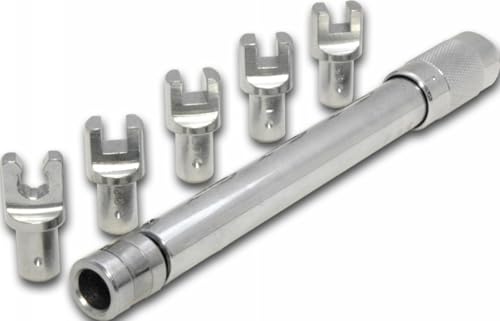
Lightweight chrome, aluminum body, calibrated to + or - 2% accuracyAll heads are made from S45C hi-carbon steel, heat treated to an HRC 40-45 hardnessComes in a handy composite RK Excel logo boxWrench has adjustability ranges from 5-60"-lbsNm and Kg-m cross reference chart included
Proper Torque Settings for Brake Bolts
To keep our BMX rides safe and smooth, we need to pay attention to our brake bolts! For ideal brake maintenance, it’s key to torque our brake caliper bolts correctly. Generally, we’re looking at a range of 5.7 Nm to 8 Nm, depending on the manufacturer. For instance, Shimano recommends 6-8 Nm, while Magura’s bolts are around 5.7 Nm. Choosing the right bolt length is just as important! Varied lengths guarantee proper fit and prevent damage. We should always use a calibrated torque wrench for precision—trust us, it’ll save us from a lot of headaches! Additionally, ensuring brake compatibility with bike models can enhance the overall effectiveness of your braking system. Let’s make sure to check the tightness periodically, too; vibrations can loosen those fasteners over time. Happy riding!
Recommended Products

A Professional Adjustable Spoke torque Wrench kit.

Interchangeable Head Design: Compared to single-function wrench, our digital torque wrench features not only a 3/8-inch drive ratchet head but also a 42mm adjustable jaw with 9x12mm open end. This design minimizes tool changes, offering exceptional versatility and convenience—ideal for demanding applications such as HVAC mini-split, refrigeration system and piping installation, motorcycle repair and equipment maintenance.
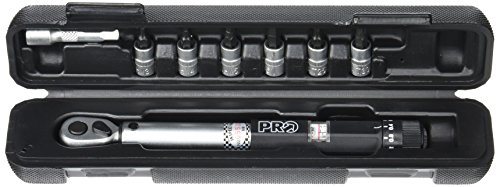
Adjustable from 3 to 15 Nm
Chainring and Derailleur Bolt Torque Requirements
Chainring and derailleur bolts might seem small, but they play a huge role in our BMX rides! When we’re doing chainring installation, we need to be mindful of the torque settings. For steel chainring bolts, we’re aiming for 12-14 Nm, while aluminum ones need about 5-10 Nm. Each brand can differ, so it’s best to check those specs!
Let’s not forget about derailleur adjustment! Front derailleur band clamp bolts should be around 2.8-4 Nm, and rear derailleur bolts should be tightened to 7.9-9.6 Nm. Keeping track of these torque requirements guarantees we enjoy smooth rides and prevent any mechanical mishaps. Additionally, using high-quality metal axles ensures better performance and durability, which is essential for maintaining optimal bike function. Let’s keep our setups tight and our rides thrilling!
Recommended Products

Lightweight Aluminum Construction Enhances Power Transfer and Durability for Competitive Road and Mountain Biking

Enhanced compatibility with Quarq DZero DUB and DFour DUB power meter spiders for precise performance tracking and data analytics.
Durable and lightweight hollow carbon Exogram crank arms designed for high-performance road cycling, offering optimal stiffness and efficiency for powerful pedaling.
Best Practices for Tightening BMX Bolts
When we think about keeping our BMX ride safe and fun, the way we tighten our bolts is super important. Using the right bolt tightening techniques can make a big difference! For starters, let’s grab a calibrated torque wrench for precise readings. We should aim for specific torque ranges; for instance, stem bolts generally like 13.6 to 19 Nm. Remember, we can’t just crank everything down—let’s alternate tightening on multi-bolt components to evenly distribute the force. If torque specs aren’t listed, tighten firmly but avoid being a gorilla! And hey, using threadlocker on vibrations-prone bolts can help too. With proper torque wrench selection and techniques, we’re on our way to smoother rides and safer sessions!
Importance of Regular Torque Checks
Regular torque checks might seem like a hassle, but they’re super important for keeping our BMX bikes in top shape! By checking our bolts regularly, we’re preventing accidents and ensuring our rides are safe and smooth. Loose parts can lead to dangerous falls, while over-tightening can strip bolts or damage threads.
Plus, correctly torqued components enhance performance too! It keeps our bike aligned and responds well during tricks. Regular checks also help catch any signs of wear before they turn into major issues!
As we ride, stresses from jumps and rough terrain can loosen bolts, so let’s commit to a routine. It’s not just about safety; it’s about enjoying every ride to the fullest! So grab that torque wrench and let’s do our checks!
Frequently Asked Questions
How Do I Know if I’ve Over-Tightened a Bolt?
If we’ve over-tightened a bolt, we might notice stripped threads or visible deformity. It’s essential to listen for resistance or crunching sounds, and always trust our instincts about any unusual difficulty in loosening them later.
Is It Safe to Use Loctite on BMX Bolts?
Yes, it’s safe to use Loctite on BMX bolts, but we should choose compatible types, like blue. Always remember, thorough cleaning and proper application are essential for successful bonding and easy future adjustments.
What Tools Are Essential for Tightening BMX Bolts?
To tighten BMX bolts effectively, we need essential BMX tools like torque wrenches, hex keys, and sometimes Torx drivers. Each helps us guarantee our bike’s components are secure and ready for our next ride together.
Can I Mix Different Bolt Materials on BMX Components?
Mixing different bolt materials on our BMX components isn’t wise; a chain’s only as strong as its weakest link. Let’s prioritize bolt compatibility and material strength to guarantee our rides remain safe and reliable together.
How Often Should I Check My BMX Bolt Torque Settings?
We should check our BMX bolt torque settings regularly, especially after rides or impacts. Keeping up with bolt maintenance is key, so let’s establish a torque frequency that matches our riding intensity and conditions.