As an Amazon Associate, we earn from qualifying purchases. Some links on this site are affiliate links at no extra cost to you. Our recommendations are based on thorough research and editorial judgment.

Should I Use A Gyro System Or Straight Cable Brakes?

When choosing between a gyro system or straight cable brakes, it really depends on your style! If you’re into tricks like bar spins and need that smooth, tangle-free brake action, gyros are the way to go! They let you perform without worrying about your cables. But, if you want something simple and reliable, straight cable brakes are easier to install and maintain. Each has its perks, and there’s more to explore to help you decide!
Key Takeaways
- Gyro systems allow for full 360° handlebar rotation, making them ideal for performing tricks like bar spins and tailwhips.
- Straight cable brakes are easier to install and maintain, suited for beginner riders seeking reliability without complications.
- If you prioritize tricks and freestyle riding, a gyro system offers enhanced performance and safety during complex maneuvers.
- Straight cable brakes provide consistent stopping power, with minimal upkeep and straightforward repairs, making them user-friendly.
- Choose gyros for advanced trick riding and straight cables for simplicity and reliability in everyday riding conditions.
Overview of Gyro Systems
You may be interested



So, you might be wondering what a gyro system is and why it’s so cool! It’s a special piece of gear that lets BMX handlebars rotate a full 360° without messing up the brake cables. That’s right—thanks to clever gyro mechanics, we can pull off tricks like bar spins and tailwhips while keeping our brakes intact!
Here’s how it works: two discs connected by bearings allow the upper disc to move up when we pull the brake lever. Meanwhile, handlebar rotation remains free. These systems usually just need adjustments to the cables, so they fit our bikes perfectly. Plus, many modern gyros are lightweight and durable, making them ideal for all our freestyle adventures. Regular maintenance is crucial to ensure optimal performance across diverse riding conditions. How awesome is that?
Benefits of Using a Gyro System

When it comes to freestyle riding, using a gyro system can really amp up our game! It gives us the incredible trick freedom to perform multiple handlebar spins without worrying about tangled cables. We can still brake effectively even after executing complex tricks, which is super important for safety.
Plus, the brake reliability stays intact because the gyro maintains tension, letting us enjoy smoother and more responsive braking on all our stunts! While there’s a bit of a learning curve in setup and maintenance, many of us find the extra effort totally worth it. The durability it offers reduces the risk of sudden brake failures, making us feel more confident as we go for those epic tricks! Additionally, regular maintenance and cable inspections are crucial for ensuring optimal braking performance and longevity. Let’s ride!
Understanding Straight Cable Brakes
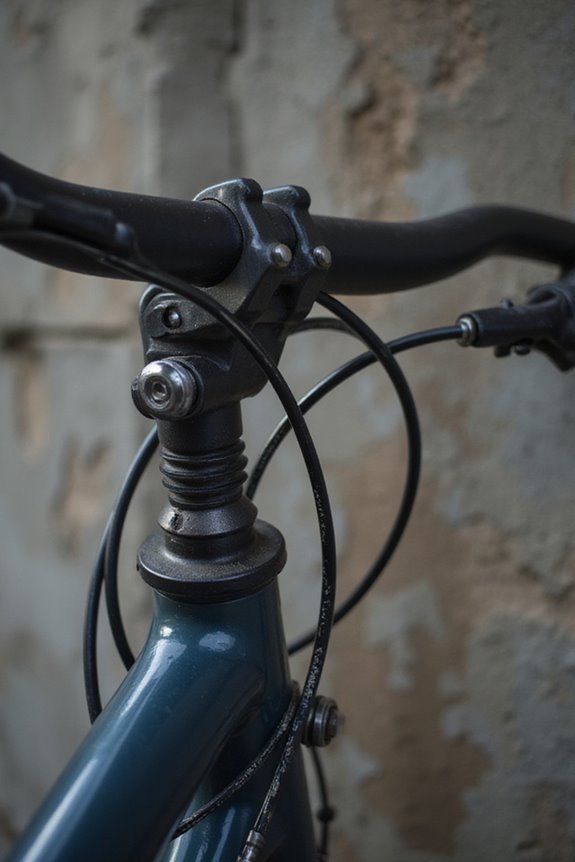
While we enjoy the thrill of riding, knowing how straight cable brakes work can make our experience even better! These brakes operate via direct mechanical connections between the brake lever and brake arms, relying on smart brake lever mechanics. When we pull the lever, one arm is pulled while the cable housing pushes the other, creating balanced braking power.
To guarantee our straight cable brake setup works properly, we’ve got to take into account cable housing configuration. We want to avoid excess housing, as it can add unwanted drag and reduce performance. Plus, proper alignment and adjustments are key! By understanding how these components work together, we set ourselves up for smooth and reliable rides. Let’s embrace the ride! Additionally, durable materials like aluminum alloy contribute to the overall effectiveness and longevity of our braking system.
Advantages of Straight Cable Brakes

Straight cable brakes come with a host of advantages that make them a favorite among many cyclists! First off, they’re super cost-efficient. The initial purchase price is lower than hydraulic systems, and replacing cables is a breeze—just a quick trip to the local bike shop!
Another big plus is maintenance simplicity. We can easily adjust and repair them without needing fancy tools or specialized knowledge. That means most of us can tackle repairs ourselves, saving both time and money!
Plus, these brakes are reliable in different conditions. No leaks or complex issues here! With straightforward designs, we can quickly get back on the road after a simple tune-up. Additionally, they ensure safety features that protect beginner riders, making them an excellent choice for those just starting in cycling.
In short, straight cable brakes really make cycling enjoyable!
Compatibility With Different Brake Types

Understanding brake systems is super important for anyone who rides a bike! When we talk about compatibility, we explore how our brake lever and system need to work together smoothly. Gyro systems need levers that can handle dual upper cables, like the Kink Restrain II, which works for both setups.
On the flip side, straight cable brakes use a single cable, making it simpler. Some brake kits even offer universal cable compatibility! However, specialized hardware for gyro systems means we can’t just swap parts between the two. Check your frame and fork for any pre-installed gyro tabs, too—those can make life easier! Additionally, considering sealing bearing quality can enhance your overall performance and maintenance experience. So, let’s choose wisely based on what we ride and how we’ll ride!
Mechanical Performance of Gyro vs. Straight Cable
When we think about mechanical performance, the differences between gyro systems and straight cable brakes really come into play. Gyros work best with short pull brakes, like U-brakes, which require less cable tension—about 7mm! In contrast, V-brakes demand a greater pull, leading to a spongier braking feel if not integrated properly.
The longer cable routes in gyro setups add friction, which can hold you back. Choosing the right cables and ensuring well-thought routing minimizes that friction, helping maintain a solid braking feel. Plus, dual cable gyros let us tweak upper and lower cables for even better performance! Additionally, proper tire inflation at recommended PSI ranges is vital for maintaining necessary weight-bearing capacity, which is crucial when considering overall bike control and performance.
When set up right, gyro systems can really shine, but a straight cable brake is simpler and might just do the trick too!
Recommended Products

HIGH PERFORMANCE:This BMX Bike Gyro Brake Cables Front + Rear (Upper + Lower) Spinner Rotor Complete Set-Stable,Flexible and Long-Lasting; designed specifically for cycling enthusiasts

High Performance: This BMX Bike Gyro Brake Cables Front + Rear (Upper + Lower) Spinner Rotor Set Kit, designed specifically for cycling enthusiasts, It provides a smooth braking experience, can ensure safety and control while riding
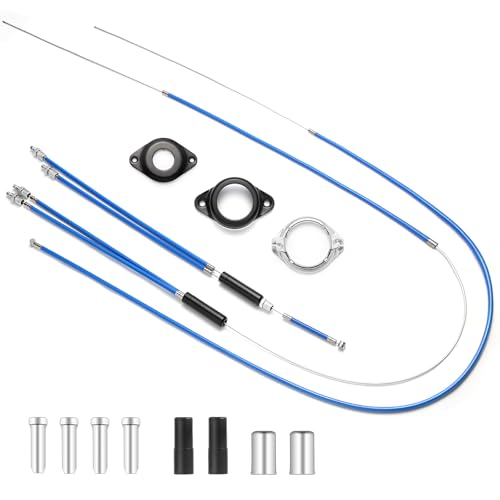
High Performance: This BMX Bike Gyro Brake Cables Front + Rear (Upper + Lower) Spinner Rotor Set Kit, designed specifically for cycling enthusiasts, It provides a smooth braking experience, can ensure safety and control while riding
Use Cases for Gyro Systems
Gyro systems offer some awesome advantages, especially for riders who love performing tricks! For us, they’re vital when tackling freestyle tricks or steering urban riding. With a gyro, we can enjoy the freedom of 360-degree handlebar rotation without worrying about cable tangling. This is significant for bar spins and tail whips, making those tricks not only possible but smooth.
Urban riding demands quick handlebar movement, and the gyro helps us pull off complex aerial tricks with ease. It pairs well with mechanical rim brakes, giving us reliable stopping power without sacrificing maneuverability. If we want to maximize our trick game while riding through the city, a gyro system is definitely the way to go! Let’s keep rolling and show off those skills!
Use Cases for Straight Cable Brakes
Straight cable brakes are a popular choice for many riders, especially those looking for a no-fuss braking system. They shine in urban commuting, where quick stops and reliable performance matter. With their simple setup, we’re free to customize our ride without a lot of complicated parts!
These brakes are also perfect for BMX racing. They’re easy to install and maintain, making them a go-to for riders who want to keep things straightforward. Plus, they give us responsive braking power as we tackle our tricks and stunts.
We appreciate how predictable the braking feels—just pull the lever, and we get the stopping force we need. For those of us in the city or hitting the BMX track, straight cable brakes can be our best friends!
Recommended Products
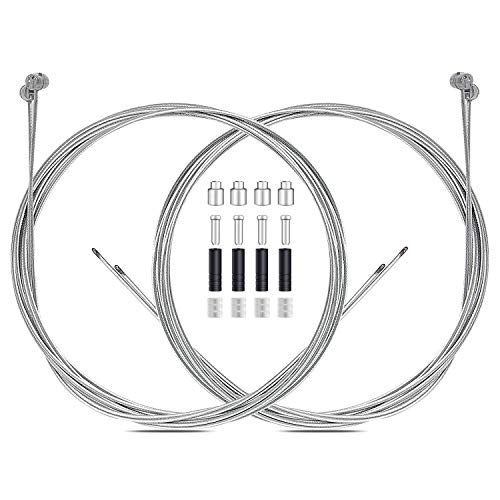
【2M LENGTH COMPLETE REPLACEMENT SET】 The Brake cable is Universal standard, Each cable consists of 19 wires,You will get 2pcs front 2000mm*1.5mm+2pcs rear 2000mm*1.5mm barrel ended brake cables; and for free 4*3×O-rings, 4×sheath ferrules and 4×end caps 4 x Housing Cable end caps,and both them can cut the cable shorter if it is too long with your bikes.
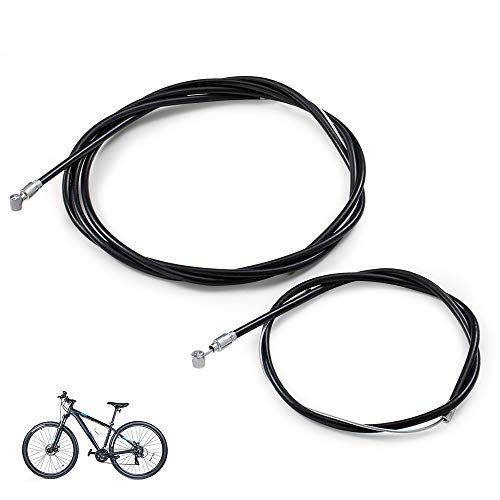
【Sturdy & Persistent】New PVC material from bicycle brake cable housing, heat and oxidation resistance; Stainless steel cables with high strength and toughness can provide greater braking power and smooth operation and are not easy to break.

PACKAGE INCLUDED - This BMX Brake kit includes all components to mount the gyro system to the BMX brake cable housing, includes Rear Cables x2 (upper + lower), Front Brake Cable and Spinner Rotors.
Installation Requirements for Each System
Installing brakes on our bikes can seem tricky, but knowing the requirements for each system really helps!
Recommended Products

EXTRA-LONG CUSTOMIZABLE LENGTH:Front brake cables (16"+17.1"), rear brake cables (50.1"), and brake line pipes (47.6") are specially engineered for extended reach. Trim to your preferred length for a perfect fit, accommodating diverse riding styles and bike configurations.
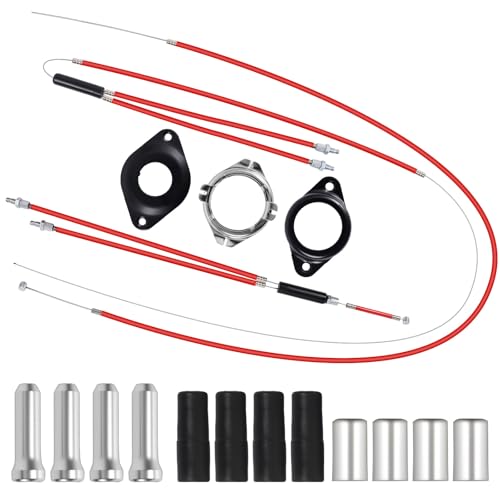
HIGH PERFORMANCE:This BMX Bike Gyro Brake Cables Front + Rear (Upper + Lower) Spinner Rotor Complete Set-Stable,Flexible and Long-Lasting; designed specifically for cycling enthusiasts

EXTRA LONG: Front brake cables: 16 inch+17.1 inch , rear brake cables: 50.1 inch, brake line pipe cable:47.6 inch, Specially lengthened to avoid being too short and can be cut to the length you want.
Gyro System
For the gyro setup, we’ll need a frame with specific mounts and extra space around the headset. The installation steps involve routing two cables and ensuring they don’t bind. You’ll also need some specialized tools like a gyro plate and barrel adjusters.
Straight Cable Brakes
On the other hand, straight cable brakes are super easy! Most bike frames work with them. All we need are standard tools like Allen wrenches and cable cutters. The installation steps are straightforward: just mount the brake arms and route the single cable.
Maintenance Considerations for Gyro and Straight Cable Brakes
Maintaining our bike’s brake system can feel intimidating, but it doesn’t have to be! Let’s break it down.
Gyro Systems
Gyro setups demand a bit more love. We need to keep cable tension just right, adjusting multiple cables often. Grab those adjustment tools like 10mm wrenches and Allen keys! Regular inspection and lubrication are essential to prevent stiff cables or rust.
Straight Cable Brakes
On the flip side, straight cable brakes are a breeze. They need less attention and use fewer tools. Just tighten the barrel adjuster now and then!
In short, if we’re up for a bit of meticulous care, gyros can be fun! But if we prefer simplicity, straight cable brakes have us covered!
Rider Preferences and Recommendations
When it comes to choosing between gyro systems and straight cable brakes, what really matters to us as riders? Our brake preferences reflect our riding styles! Riders who love tricks, like bar spins and tail whips, often lean towards gyros, enabling those sweet handlebar rotations. However, if we’re after reliable stopping power, straight cable brakes win out for their direct feel and simplicity.
For those with rider expertise, adjusting a gyro’s setup can be worth it! But if we prefer ease and fewer adjustments, straight cables are way easier to manage. Ultimately, it’s about balancing trick potential and reliability. So, let’s choose what suits our unique styles best! Happy riding!
Frequently Asked Questions
Do Gyro Systems Add Significant Weight to My Bike?
Gyro systems do add some weight to our bikes, but it’s not significant. That extra weight shifts weight distribution slightly, which might affect performance impact, though many of us find the benefits outweigh any minor differences.
Can I Convert a Straight Cable Brake Setup to a Gyro System?
Yes, we can convert a straight cable brake setup to a gyro system, enhancing gyroscope compatibility and brake efficiency. Just remember, it requires specific components and careful adjustments for peak performance. Let’s ride smoothly together!
How Do Different Gyro Brands Compare in Terms of Quality?
When we look at brand durability comparison, Odyssey generally leads, renowned for reliability. Kink’s quality isn’t far behind, offering solid versatility. Gyro price range varies, ensuring options for every budget while maintaining performance.
Are Gyro Systems Suitable for Beginners?
We remember our first time learning tricky braking techniques with a gyro system—like mastering a skateboard flip. For beginners, it can be overwhelming; simpler setups might be better while we build confidence and skills together.
What Tools Do I Need for Installing a Gyro System?
For installing a gyro system, we’ll need essential installation tools like Allen keys, wrenches, and pliers, plus specific gyro components like top plates and hardware. Let’s gather everything and plunge into the installation process together!


