As an Amazon Associate, we earn from qualifying purchases. Some links on this site are affiliate links at no extra cost to you. Our recommendations are based on thorough research and editorial judgment.
What Is A Coaster Brake On BMX And Should I Use It?

A coaster brake on a BMX bike is a cool system that lets us slow down by pedaling backward! It’s easy to use and keeps our hands on the handlebars, which can feel safer. But, be cautious—coaster brakes only stop the rear wheel, and they might not work well for tricks or steep hills. If we want to know more about the pros and cons, let’s explore further!
Key Takeaways
- A coaster brake on BMX is an internal brake that stops the bike by pedaling backward, simplifying the braking process.
- It requires no external levers or cables, making it low-maintenance and durable, ideal for casual riders.
- Coaster brakes can limit stopping power as they only brake the rear wheel, which may not be sufficient for aggressive BMX riding.
- They may develop “dead space” over time, potentially decreasing reliability, especially on steep or slippery surfaces.
- Considering your riding style and experience level is crucial; coaster brakes are best for casual riders, not for performing tricks or stunts.
Definition and Mechanism of Coaster Brakes
You may be interested

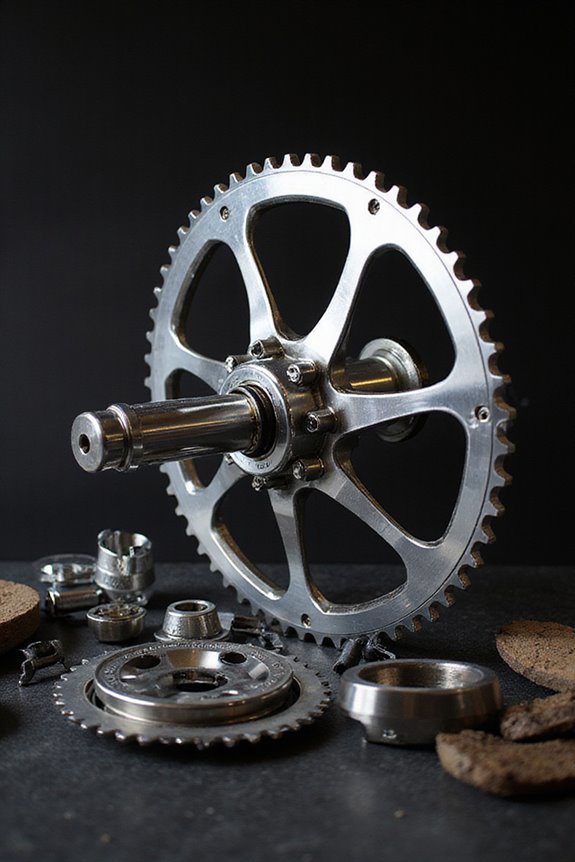
Have you ever wondered how some bikes can stop just by pedaling backward? It’s all thanks to the coaster brake design! This neat little internal braking mechanism is built right into the rear hub of the bike. When we pedal forward, everything spins freely, but when we want to brake, we just backpedal!
Inside the hub, the clutch shifts, pushing brake shoes outward against the hub shell, creating friction that slows us down. No need for external levers or cables, making it super simple and low-maintenance! Plus, it’s tucked away, protected from dirt and water. Coaster brakes are intuitive, perfect for beginners wanting an easy ride. They are great for riders who prefer reliable braking systems that enhance safety during stunts and tricks. Who knew stopping could be so simple and fun?
Historical Use of Coaster Brakes in Cycling
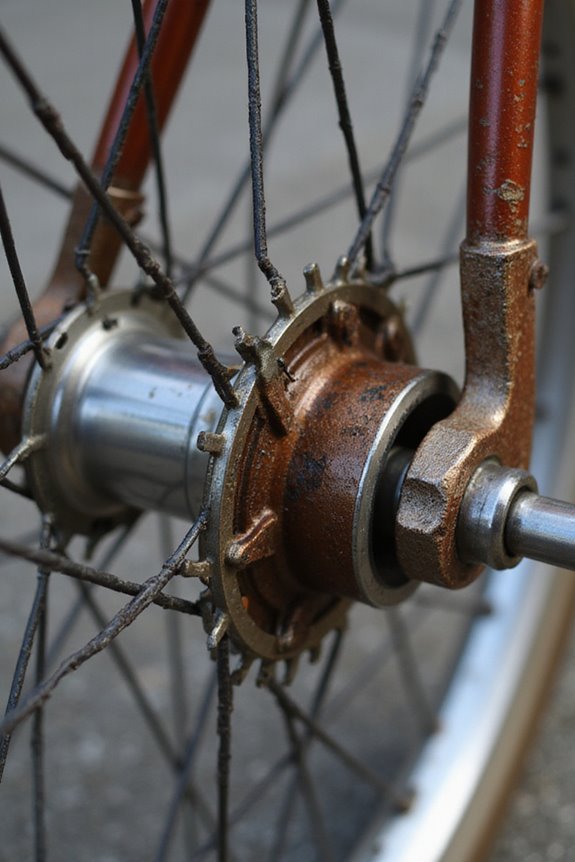
While we might think of coaster brakes as a modern invention, their roots go back over a century! The historical significance of coaster brakes began in the late 1890s when Harry Pond Townsend patented the first design in 1907. This allowed cyclists to stop quickly by pedaling backward—no more hand levers!
As the safety bicycle evolved, coaster brakes became a game-changer in personal transportation. They offered safer stops and reduced wear on tires, leading to widespread adoption in America. Many early bicycles, even the Wright Brothers’, featured these handy brakes! The coaster brake evolution paved the way for improved cycling convenience and safety, making rides easier for everyone, from city commuters to weekend adventurers. High-carbon steel frames were often used in early bikes, contributing to their durability and effectiveness in braking. Let’s appreciate this nifty invention that helped shape cycling history!
Advantages of Coaster Brakes for Casual Riders
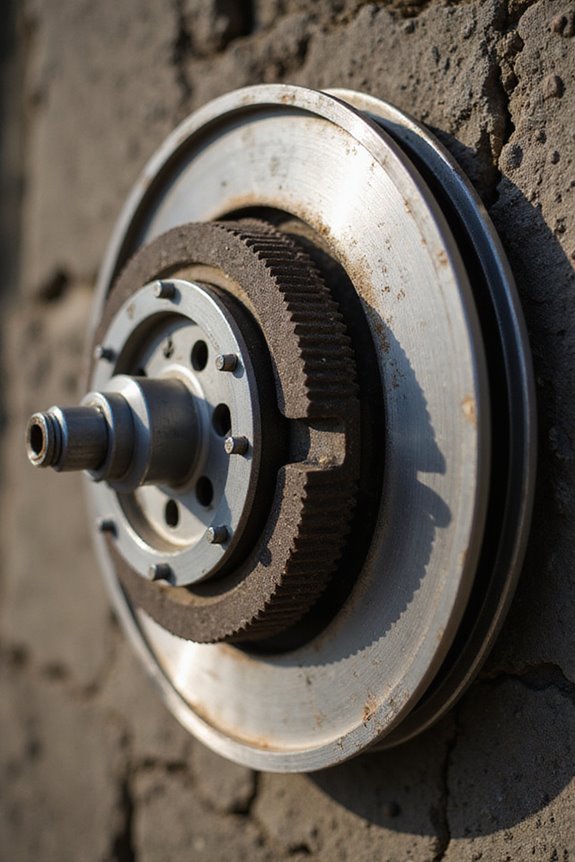
Coaster brakes offer a bunch of advantages for casual riders! For us, they make cycling effortless. With a simple backpedaling motion, we’ve got all the stopping power we need without fussing with hand brakes. This means our hands stay on the handlebars, giving us better grip and balance while we ride!
Plus, coaster brakes are low maintenance. We don’t need to worry about cables and levers that could break or rust.
They’re also a safety win. Without worrying about hand strength, we can signal turns or hazards without missing a beat. The brake systems available on BMX bikes cater to different riding styles, making coaster brakes an excellent choice for many.
All these coaster brake benefits make them perfect for kids and senior riders alike. So, let’s embrace casual cycling with comfort and ease!
Recommended Products

Classic Design: The Tracer Scorpion Pro DTS features a 26" stretch chopper cruiser design, combining retro aesthetics with modern riding comfort.

🚲BEACH CRUISER BIKE🚲 The TRACER MASTER is a beach cruiser bike that is designed specifically for cruising around town or the beach. It has a comfortable seat and a durable frame that makes it designed specifically for everyday use.

【29-inch Men's single speed cruiser bike 】This bike easy and smooth riding whenever you go out for outdoor activities. Suitable for a variety of outdoor settings, it handles everything from beaches and city streets to country lanes with ease.
Disadvantages and Limitations of Coaster Brakes
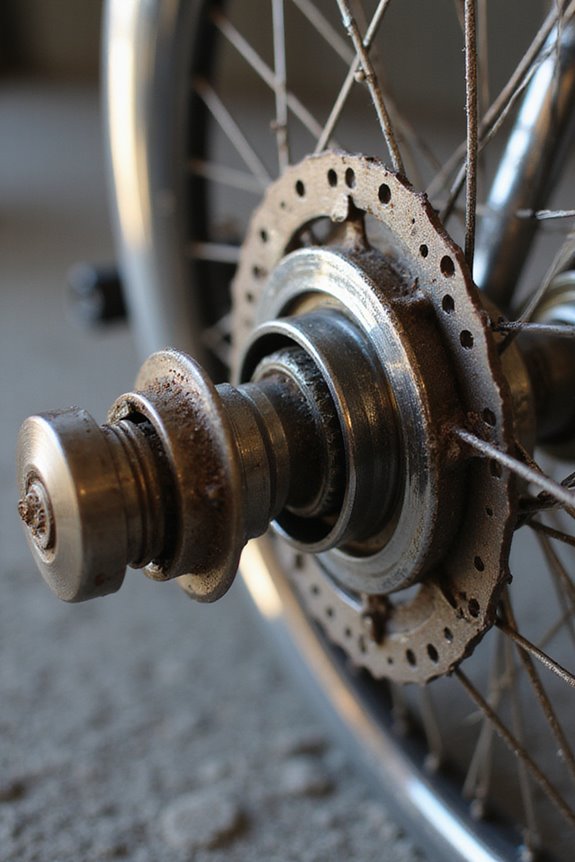
When it comes to biking, we’re all about having fun, but let’s not ignore the downsides of coaster brakes! While they seem convenient, they come with notable design flaws. One major issue is that they only brake the rear wheel. This limits stopping power, especially for younger riders who may struggle with pedal positioning and leverage.
Maintenance can also be a pain. Over time, coaster brakes develop “dead space,” making them harder to engage. Plus, they can overheat on long rides!
Let’s not forget the safety aspect. If your chain slips, you lose braking ability instantly! No backup braking means you might face some serious performance issues if things go south. Additionally, having a reliable braking system is crucial for optimal trick performance. Remember, knowing these limitations helps us ride smarter!
Recommended Products

JMCHstore Front Disc Brake kit for Coleman CT200U (w/suspension kit) BT200X CT200U-EX BT200X-G BT200X-O CT200U-EXR, Axis M200 196cc Viper Hisun 200cc Mini Bike

This product functions properly and safely but produces a vibration noise while braking. The noise is not indicative of a defect issue. Please expect this vibration noise when using this product.
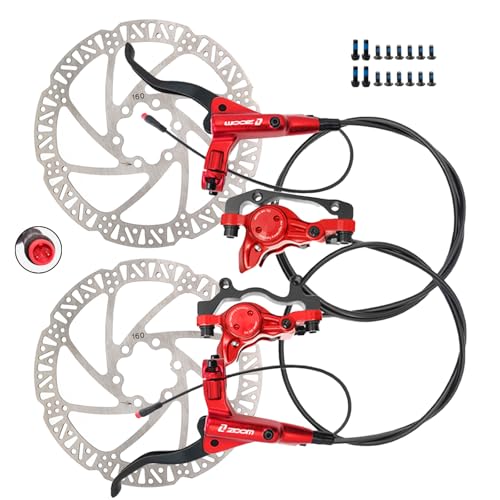
Designed for E-bikes: This brake system features an automatic power-off sensor and is compatible with 2-pin/3-pin connectors. Includes 160mm rotors. Please confirm your bike's rotor size and connector type before ordering.When you brake, the power output is instantly cut off, ensuring fast and efficient braking.
Suitability of Coaster Brakes for BMX Riding
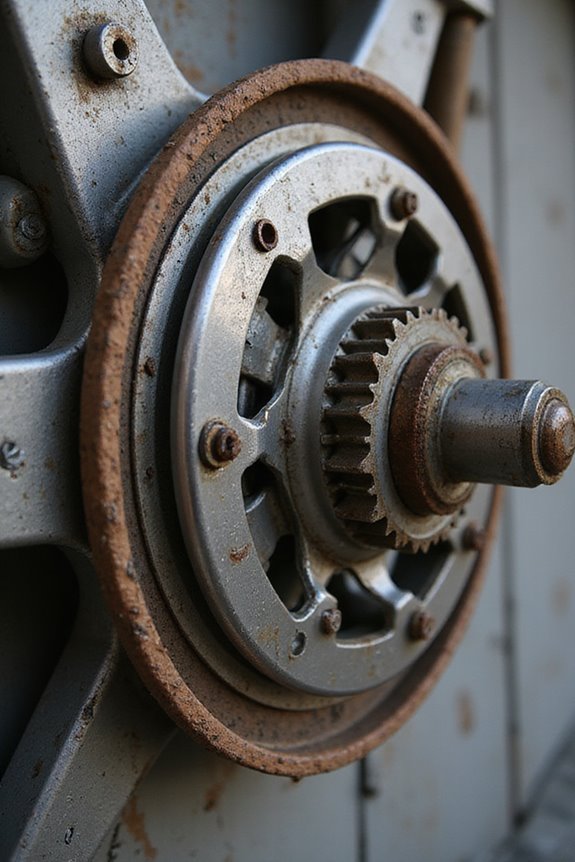
Many riders find coaster brakes to be a great fit for beginner BMX enthusiasts. They’re super intuitive, making it easier for kids and new riders to learn how to stop smoothly. With no hand strength needed, we can focus more on balance and control while riding!
Coaster brake suitability shines in low-maintenance situations, too. They’re durable and require little upkeep, which is perfect for casual rides or commuters. Additionally, many budget-friendly BMX bikes are designed with performance features that complement the use of coaster brakes, enhancing the overall riding experience.
However, as we grow in our rider experience, we might notice these brakes limit our ability to pedal backward or perform tricks! For those who love aggressive BMX styles, hand brakes might be the way to go. It’s all about what fits our riding style best!
Recommended Products
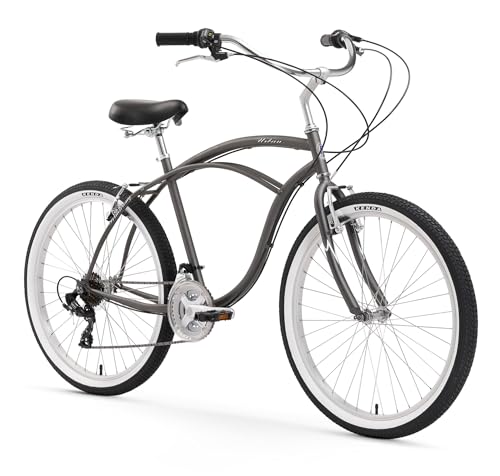
BEACH CRUISER BIKE FOR MEN: Versatile men's touring hybrid commuter bicycle with a sleek 19 inch steel frame; perfect for cruise, leisure, commute, and casual to up-tempo rides across multiple types of terrain; can hold riders up to 300 lbs, fits riders from 5 feet 4 inches to 6 feet 2 inches tall

HYBRID BIKE FOR MEN: Men’s bike with a 19-inch aluminum frame; designed for leisure riding, commuting, and casual cruising across a variety of paved and hard-packed surfaces; supports riders up to 300 lbs and fits riders from 5 ft to 6 ft 4 in tall

Hybrid Bike for Women combines the features of a comfort bike, a commuter bike and a cruiser bike
Comparison With Hand-Operated Brakes
Performance Comparison
Hand brakes provide better stopping power and quicker responses, especially on hills. Coaster brakes can be slower and take more effort to stop, which can be tricky in tight spots. Plus, hand brakes let us control our stop better when cornering! Additionally, using proper safety gear while riding can help mitigate any risks associated with braking.
Maintenance Differences
Now, let’s chat about maintenance. Coaster brakes are simple and require less upkeep because they have fewer parts exposed to wear and tear. On the flip side, hand brakes need regular adjustments and can suffer from cable issues. We’ve got to get our hands dirty if we stick with hand-operated options!
In the end, both have their strengths; it’s all about what fits us best!
Recommended Products
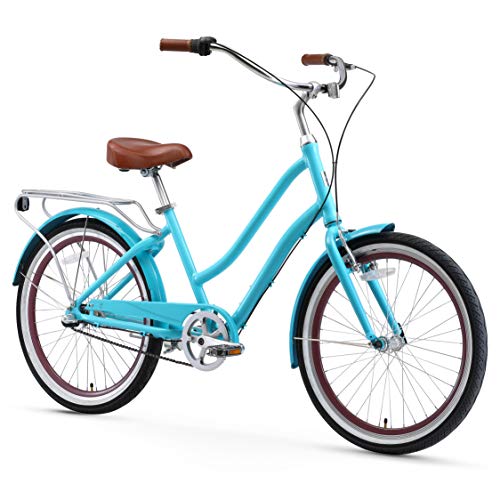
WOMEN’S HYBRID CRUISER: Step-through hybrid cruiser bike designed for leisure rides and commuting; 14" aluminum frame; our bikes fit riders approx. 4'4"–5'0"; supports up to 300 lbs

HYBRID BIKE FOR WOMEN: Women’s hybrid commuter bike designed for riding on pavement and hard-packed trails; features a 17-inch aluminum step-through frame; supports riders up to 300 lbs and fits riders from 5’3” to 6’4
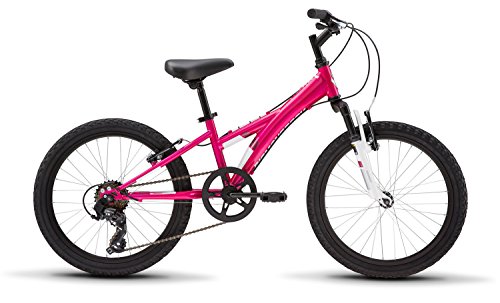
Shimano 6-speed drivetrain with trigger shifter makes shifting simple, giving little ones a boost on climbs
Maintenance Tips for Coaster Brakes
Taking care of our coaster brakes is super important for keeping our rides fun and safe! Here are some quick maintenance practices we can all follow:
Recommended Products

Suspension Kit for Replacement for 2000-2001 Ford Focus (Excludes SVT or Wagon) - [2002 Ford Focus (LX, SE, ZTS, ZX3, ZX5; Excludes SVT or Wagon; Engine VIN: 3; Engine VIN: P)] - 2003-2004 Ford Focus (LX, SE, ZTS, ZX3, ZX5; Excludes SVT or Wagon; Engine VIN: 3; Engine VIN: P; Engine VIN: Z) - [2005 Ford Focus (Excludes SVT or Wagon)]

Brake Rotors Brake Pads Replacement for 2010-2012 Subaru Legacy (2.5GT; 3.6R Limited; 3.6R Premium; 3.6R) - [2013 Subaru Legacy (3.6R Limited; 3.6R)] - 2014 Subaru Legacy (3.6R Limited) - [2010-2012 Subaru Outback (3.6R Limited; 3.6R Premium; 3.6R)] - 2013-2014 Subaru Outback (3.6R, 3.6R Limited)

Replacement for 2003-2007 Ford E-250 - [1995-1999 Ford E-250 Econoline (4-Wheel ABS)] - 2000-2002 Ford E-250 Econoline - [2002-2005 Ford E-350 Club Wagon (for Vehicles with Single Rear Wheel)] - 1995-2000 Ford E-350 Econoline (for Vehicles with Single Rear Wheel; 4-Wheel ABS) - [2007 Ford E-350 Econoline (for Vehicles with Single Rear Wheel)]
Cleaning and Inspection
– Disassemble the hub and clean it. Look for worn parts and check the reaction arm.
Lubrication
– Use grease on bearings and brake parts. It’s better than oil alone!
Adjustment and Reassembly
– Make sure the reaction arm is tight and adjust the cones for smooth rotation.
Common Mistakes
– Don’t overtighten axle nuts or ignore components’ wear. Regularly check the reaction arm’s secure fit to avoid issues!
Safety Considerations for Riders Using Coaster Brakes
When we ride bikes with coaster brakes, we need to be aware of some important safety considerations. Coaster brakes can present safety risks, especially for young or inexperienced riders. They require more effort to stop, which can lead to reduced braking effectiveness. Plus, braking only works when the pedals are in specific positions, increasing the chance of skidding.
On steep or slippery surfaces, these brakes may not work well at all! If the chain fails, we lose our only braking method. It’s essential to stay vigilant, maintain our bikes, and consider using hand brakes for better control and safety. Always wear a helmet to protect ourselves, regardless of our braking system. Let’s keep our rides fun and safe!
Frequently Asked Questions
Can Coaster Brakes Be Used on Race BMX Bikes?
Coaster brakes aren’t suitable for race BMX bikes, given race regulations and performance demands. While they offer some benefits for casual riding, we need precise braking for racing, making hand-operated brakes the better choice.
Do Coaster Brakes Work Well in Wet Weather?
Coaster brakes handle wet performance fairly well, with simpler maintenance. We should keep them clean and lubricated, and remember to brake early. If we’re cautious, they’ll still provide reliable stopping even in the rain.
How Do I Know if My Coaster Brake Is Failing?
We can spot failing coaster brakes by watching for reduced performance indicators like sponginess, noise, or excessive wheel play. Regular brake maintenance is key to ensuring our rides remain smooth and safe. Let’s keep an eye on those signs!
Are Coaster Brakes Heavier Than Hand Brakes?
Yes, coaster brakes are generally heavier than hand brakes. In our performance comparison, we’ve noticed that the extra brake weight can affect control and handling, especially for younger or less experienced riders.
Can You Switch From a Coaster Brake to a Hand Brake?
Yes, we can definitely switch from a coaster brake to a hand brake. While coaster brake advantages include simplicity, hand brakes enhance control—perfect for about 70% of riders seeking better performance and safety on varied terrains.


