As an Amazon Associate, we earn from qualifying purchases. Some links on this site are affiliate links at no extra cost to you. Our recommendations are based on thorough research and editorial judgment.
How To Choose The Right BMX Bike Size?

Choosing the right BMX bike size is super important for comfort and performance! First, we should reflect on rider height and leg length—this helps us pick the right top tube length. Wheel size matters too; it affects balance and control. Don’t forget to take into account your age and skill level, plus avoid common sizing mistakes like ignoring seat height. Want to get into more details and tips? There’s so much more to explore!
Key Takeaways
- Measure rider height and inseam to determine appropriate frame size and top tube length for better fit and comfort.
- Choose wheel size based on age, skill level, and intended riding style; younger riders may need smaller wheels.
- Assess rider proportions and personal comfort to avoid common sizing mistakes, like ignoring leg length or riding style preferences.
- Prioritize testing bikes to evaluate comfort and control; adjustments to handlebars and seat height can enhance the overall fit.
- Consult manufacturer sizing charts and consider professional fitting for tailored recommendations to ensure optimal performance and safety.
Understanding Rider Height and Bike Sizing
You may be interested

So, how do we find the right BMX bike size for us? First, let’s talk about rider height. This is super important! If we’re under 4’4″, we need to think about micro frame considerations, which usually have toptube lengths around 15″ to 16.5″. For those of us between 4’6″ and 5’1″, junior frame options become ideal, offering toptubes from 17″ to 18.5″. It’s all about fitting the bike to our body! Additionally, the right size can significantly impact our bike’s performance under load, ensuring a smoother and more enjoyable ride.
The Importance of Wheel Size
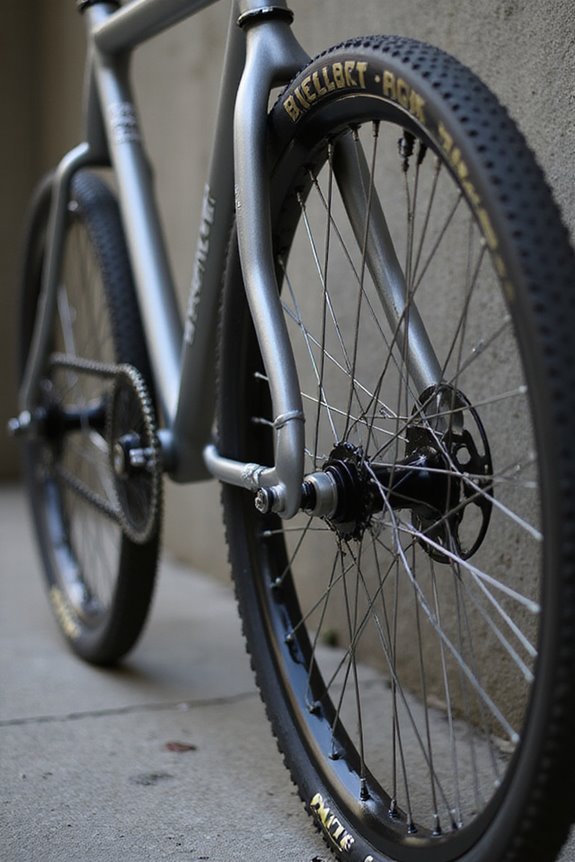
When it comes to choosing a BMX bike, wheel size plays a huge role in how we ride! The standard sizes—from 12” to 20”—affect our balance and control. For us, freestyle riders, 20” wheels offer the maneuverability needed for tricks, while racing bikes prioritize speed.
Wheel width is also important! If we weigh over 140 lbs, wider tires (like 1.75”) give us the support we need. They provide more stability, especially during jumps. Lighter riders might stick with narrower wheels to reduce rolling resistance, making it easier to go fast.
Recommended Products

ULTRAVERSE ROAD DOMINATOR RESILIENCE: Crafted with top-tier rubber and fortified with advanced anti-puncture technology, the Street Fat Bike Tire (20x4 inch) is engineered to conquer the most challenging conditions without concern for frequent punctures or replacements. Navigate every riding surface with ease and confidence, ensuring a robust and reliable ride across all terrains, especially asphalt or gravel.
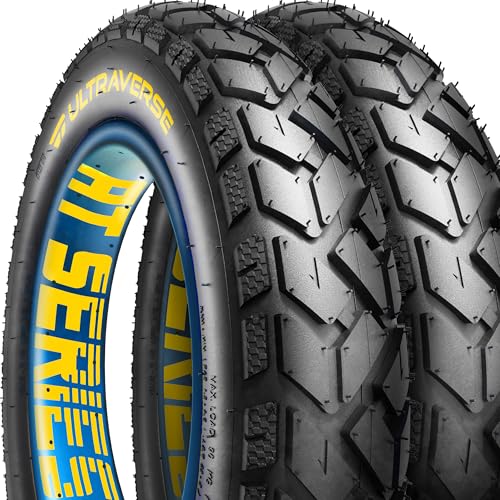
ULTRAVERSE RESILIENCE: Crafted with top-tier rubber and fortified with advanced anti-puncture technology, the Knobby Fat Bike Tire (20x4 inch) is engineered to conquer the most challenging conditions without concern for frequent punctures or replacements. Navigate every riding surface with ease and confidence, ensuring a robust and reliable ride across all terrains.

EXTREME DURABILITY: Made with premium rubber and anti-puncture technology, our tire is built to withstand the toughest conditions. No more worries about frequent punctures and replacements. Our HEB ALLSCAPE 20x4 and 20x4 inch all-terrain fat tire will easily tackle every riding surface.
Top Tube Length and Its Impact on Fit
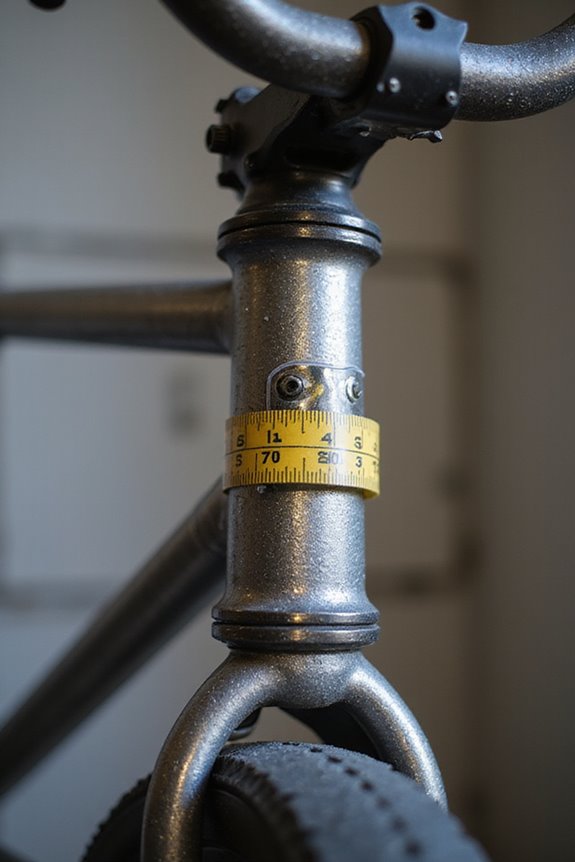
After we’ve explored wheel size, it’s time to chat about another important factor in BMX bike fitting: top tube length. The top tube is that horizontal piece connecting the front and back, and it really defines how the bike fits us. If we’re under 5’2″, a top tube length of 20 inches is ideal. Taller riders, over 5’10”, should look for 21 inches or more!
The right top tube affects our riding position and comfort—longer tubes offer stability for speed, while shorter ones enhance trick performance. Plus, we can make bike adjustments to find the sweet spot for our style! Additionally, frame material can significantly influence the bike’s overall handling and performance, so let’s choose wisely based on height, experience, and the tricks we plan to pull!
Recommended Products

Material: 6061-T6 Aluminum with triple-butted, hydroformed tubes for lightweight strength.

Designed for beginner-level riders, the Mongoose Title Pro BMX race bike is a trophy-worthy bike at an amazingly affordable price. Suggested rider height is 5'3" - 5'8".

L20 is a stylish freestyle BMX bike that offers everything a beginning rider needs to hit the streets and pop off curbs, Suggested rider height is 4’8”-5’4”
Age Considerations in BMX Sizing
Choosing the right BMX bike isn’t just about what’s cool or flashy; it’s also about fitting the bike to our age and size! When we consider age recommendations, younger riders typically start on balance bikes until about age 4. As we grow, from ages 3 to 12, we need to match wheel sizes accordingly.
For instance, kids aged 3–6 often ride 12-inch wheels, while those aged 7–12 may be better suited for 18-inch wheels. Remember, growth considerations are key! If we fall between sizes, going for a smaller bike can enhance control, especially for tricks. It’s all about finding that perfect balance between age, height, and skill to guarantee a safe, fun ride! Additionally, recommended height for 24-inch bikes is an important factor to consider when sizing for older riders to ensure proper fit and control.
Assessing Rider Skill Level
How do we figure out what BMX bike size suits our skill level? It’s all about understanding our rider preferences! Beginners usually need bikes that offer stability and comfort. However, as we progress in skill, we might lean towards shorter or longer top tubes to enhance control and performance.
Freestyle riders often prefer compact bikes for quick tricks, while racers go for those built for speed. Advanced riders even customize components like handlebars and gearing to match their unique style. Additionally, it’s crucial to consider rider height when selecting the appropriate BMX size for optimal control.
Ultimately, we should remember that while sizing guides provide a starting point, our skill progression and riding style are what truly define the right fit. Let’s keep experimenting until we find our perfect ride!
Frame Geometry and Its Effects
When we plunge into the world of BMX bikes, frame geometry is a key player in how our rides feel and perform! Key elements like top tube length and head tube angle shape our comfort and handling. For instance, a steeper head tube makes our bike more responsive, while a slacker angle offers stability.
Shorter chainstays enhance tricks, while longer ones guarantee speed stability—it’s all about our riding style! Don’t forget the seat tube angle; a steeper angle can make our bike feel shorter. Understanding the importance of reliable brake system can also greatly influence our ride experience.
With trends in frame materials, these features evolve, too. Knowing our preferences can help us pick a bike that feels just right! Let’s find our perfect fit and ride with confidence!
How Frame Size Influences Ride Feel
Finding the right frame size is essential if we want our BMX bike to feel just right when we ride! The size of our frame influences frame stability and responsiveness trade offs. A longer frame offers more stability at speed, while a shorter one allows for quicker maneuvers—perfect for those technical tricks!
Comfort factors also come into play; a poorly sized frame can make us feel cramped or overstretched, affecting our enjoyment. The handling characteristics will differ, too! Smaller frames allow for easier tricks, while larger ones feel smoother. Additionally, choosing the correct frame size based on rider height and size ensures optimal fit and comfort, which is crucial for maintaining balance during tricks.
Ultimately, matching our frame size to our height enhances performance optimization, boosts rider confidence, and reduces fatigue. A well-fitting frame helps us ride with confidence, feeling great on each adventure!
Choosing Wheels for Your Height
While it’s super exciting to pick out a BMX bike, choosing the right wheel size is just as important! The wheel size affects our control and comfort. If we’re around 4’8” tall, we’ll likely want those standard 20” wheels. But if we’re smaller, like 3’2”, we should look at 16” wheels instead.
Here’s a quick wheel guide based on our height:
- 12” wheels for 2’4″ – 3’0″
- 14” wheels for 2’8″ – 3’6″
- 18” wheels for 3’10” – 4’8″
Recommended Products

Perfect for 4-8 year old kids under 75 lbs., with 18-24'' inseam. 16" composite wheels with pneumatic tires. Seat height: 17". Weight: 20 lbs. with battery. Frame: Aluminum tig welded. Fork: Steel, BMX style.
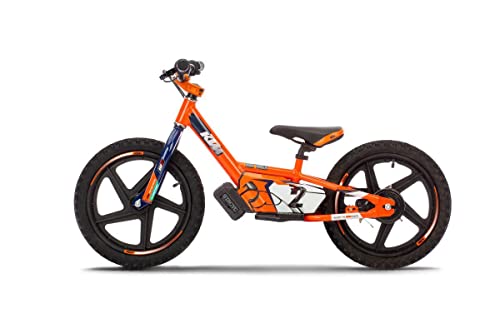

16" composite wheels with pneumatic tires
Adjusting for Personal Riding Style
So, how do we make our BMX bike fit our unique riding style? First, let’s think about frame geometry. If we’re into racing techniques, a longer top tube can give us stability at high speeds. But for those freestyle preferences, a shorter top tube lets us maneuver easily for tricks!
Next, handlebar and stem adjustments matter too. Longer stems are great for speed, while shorter ones help us flip and twist with confidence.
Don’t forget seat positioning! A forward seat helps us pedal faster in races, while a lower seat works wonders for jumps and tricks.
And remember, tire and pedal choices can really match our riding style, making every ride even more enjoyable. Let’s customize our bikes to fit who we are!
Testing Different Bike Sizes
Testing different bike sizes is where the fun really begins! When we engage in this process, it’s all about using clever testing techniques. First, let’s check for at least 2cm of clearance while standing over the bike. This guarantees a comfy fit. Next, we should pedal around to see how we feel reaching the handlebars. Comfort is key!
Also, don’t forget to test different wheel sizes. Smaller wheels can be cool for handling, but might slow us down. Frame geometry matters too—longer tubes provide stability, but may feel a bit less nimble. It’s all about finding what works best for our bike preferences. So, let’s gear up and hit the trails for some exciting test rides!
Common Sizing Mistakes to Avoid
When it comes to picking the right BMX bike size, there are some common mistakes we all should watch out for! First off, let’s not ignore our personal comfort and riding style. Sizing misconceptions often lead us to choose a bike that feels off during tricks, especially if we don’t consider top tube length or standover height.
Next, focusing solely on height misses vital body proportions, like leg length.
We should also remember that adjusting components, like seat height and crank sizes, is essential! Skipping the fine-tuning process can affect our ride quality. Finally, let’s not treat the top tube length as the end-all; frame geometry plays a huge role. Stay aware, and let’s ride better together!
Benefits of Professional Sizing Consultations
Getting the right BMX bike size can make a huge difference in our riding experience! By opting for professional sizing consultations, we get tailored recommendations that truly fit our needs. Expert fitters assess our height, inseam, and riding style to find the perfect frame size and top tube length.
These fit assessments identify subtle issues often missed in standard charts, ensuring that we enjoy comfort and control. With a properly fitting bike, we can improve our posture, reduce fatigue, and minimize the risk of injuries like tendonitis. Plus, the right size helps us ride better and progress faster in our skills! Let’s take the leap and get expert guidance. It’s worth it for comfort and performance!
Recommended Products

Model with 13.07 inch (332mm) Front Rotors & 12.59 inch (320mm) Rear Rotors Models

12.8 inch (325mm) Front Rotor & 13 inch (330mm) Solid Rear Rotor

Hardens in Impact Powered by SmartFlex, these arm pads harden on impact to keep you protected while dodging through the most aggressive double teams.
Modifications for Optimal Comfort
Since riding should be fun and enjoyable, making some modifications to our BMX bike can really enhance our comfort!
Handlebar Adjustments
We can tweak our handlebars by adjusting the stem length to reduce that cramped feel. Flipping the stem can help with wrist positioning, too!
Seat Modifications
Choosing the right seat height lets our knees bend just right. Padded BMX seats are great for shock absorption!
Tire Choices
Going for thicker tires helps absorb bumps. Tubeless tires are worth considering for extra comfort!
Pedal Preferences
Opting for wider pedals gives better foot support, and adjustable platforms let us customize grip.
Frame Tuning
Finally, fine-tuning the frame geometry can relieve strain and improve posture. Let’s make our rides comfy and fun!
Recommended Products

WOMEN’S HYBRID CRUISER BIKE: Step-through hybrid bicycle designed for leisure riding and casual commuting; bicycles feature a 17.5-inch steel frame and fits riders approximately 5 ft to 6 ft 4 inches tall, with a 300 lb weight capacity

HYBRID BIKE FOR WOMEN: Women’s hybrid commuter bike designed for riding on pavement and hard-packed trails; features a 17-inch aluminum step-through frame; supports riders up to 300 lbs and fits riders from 5’3” to 6’4
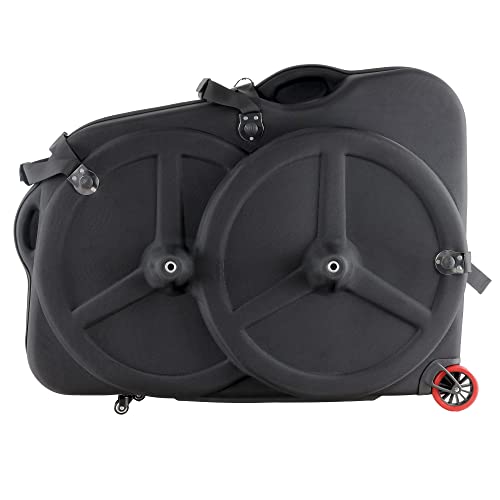
COMPATIBILITY: This case is suitable for 700C road bikes with QR and Thru axles wheels. It is NOT COMPATIBLE with MTBs or bikes with integrated seatposts. The case dimensions are 115cm x 25cm x 84cm/45" x 10" x 33" and it weighs 8.3kg/18.3 lbs.
Final Tips for Selecting the Right BMX Bike
Choosing the right BMX bike can feel a bit overwhelming, but we’re here to make it easier! First, check your height and inside leg length—this guarantees a proper fit. Remember to cross-reference manufacturer sizing charts to match your rider preferences.
Next, when you test ride, pay attention to how the bike feels; this is key to comfort and control.
Don’t forget future considerations! If you’re young and still growing, think about a bike that’ll grow with you.
Lastly, always look for at least a 2 cm gap over the top tube when standing. A good fit equals safer, more enjoyable rides. Let’s get out there and find our perfect ride together!
Frequently Asked Questions
Can I Use a BMX Bike for Casual Riding?
They say, “You don’t know until you try.” Yes, we can definitely use a BMX bike for casual riding! Its versatility offers fun benefits, allowing us to enjoy neighborhood rides with a dash of excitement.
What Materials Are Commonly Used for BMX Frames?
BMX frames are commonly made from steel construction, particularly chromoly, and aluminum frames. We appreciate the strength and durability of chromoly, but aluminum’s lightweight benefits can enhance our riding experience—it’s all about personal preference!
How Can I Maintain My BMX Bike’s Size?
To maintain our BMX bike’s size, we should focus on regular bike maintenance, tightening parts weekly and checking for wear. Consistent inspections keep our bike in shape, ensuring ideal size adjustments for the best ride experience.
What Accessories Should I Consider for My BMX Bike?
When we consider accessories for our BMX bike, we can’t forget helmet safety and comfortable handlebar grips. These essentials enhance our riding experience, ensuring we stay safe and connected to our bike during every adventure.
Are There Specific BMX Bike Brands That Cater to Beginners?
We’ve found that brands like Mongoose, Haro, and Cult offer excellent beginner brands with solid entry-level options. They help us ease into riding, focusing on comfort and control as we learn together.


