As an Amazon Associate, we earn from qualifying purchases. Some links on this site are affiliate links at no extra cost to you. Our recommendations are based on thorough research and editorial judgment.
What Are The Differences Between Flatland And Street BMX Styles?

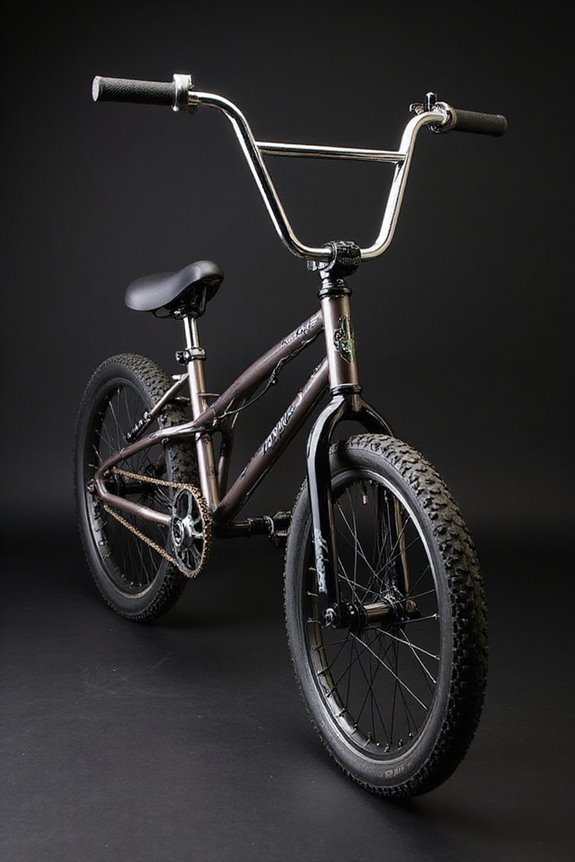
Flatland and street BMX styles are super fun and totally different! Flatland focuses on balance and tricks on smooth, flat surfaces, while street BMX is all about maneuvering urban challenges like curbs and stairs. Flatland bikes have a steeper frame and high tire pressure, making them great for tricks, while street bikes are built for stability with relaxed geometry and lower pressure. Both styles have their unique communities and tricks, and there’s so much more to discover!
Key Takeaways
- Flatland BMX primarily focuses on balance and control at slow speeds, utilizing tricks that emphasize finesse like the Miami Hopper and Backwards Steamroller.
- Street BMX involves dynamic and explosive movements, utilizing urban obstacles to perform tricks such as bunny hops and 360 spins that leverage momentum.
- Flatland bikes feature a higher frame geometry for better balance and often use high tire pressure with slick tires to reduce rolling resistance.
- Street BMX bikes have a more relaxed geometry for stability during jumps, favoring lower tire pressure with aggressive tread patterns to absorb impact.
- The cultural environment of flatland promotes artistic expression, while street BMX emphasizes creativity shaped by urban landscapes and communal riding events.
Terrain and Riding Environment
You may be interested


When we think about BMX riding, the terrain we choose really shapes our experience! The difference between flatland and street BMX lies in the environments we ride. Flatland thrives on smooth, flat surfaces. It’s perfect for precision and balance, making tricks all about control. On the other hand, street BMX is a whole other ballgame! It’s filled with urban challenges, like curbs and stairs that force us to adapt quickly.
Street riding demands terrain adaptability. The obstacles create exciting opportunities to spice up our tricks, like grinding on rails or maneuvering ledges. Each terrain teaches us something new about our riding styles, blending creativity with speed as we face these environmental challenges head-on. Additionally, having a bike with a reliable braking system is crucial for mastering tricky maneuvers safely. Let’s keep exploring!
Recommended Products

Classic Design: The Tracer Scorpion Pro DTS features a 26" stretch chopper cruiser design, combining retro aesthetics with modern riding comfort.

【1500W Peak Power: The Ultimate Pocket Rocket】 Unleash the beast. Equipped with a high-speed brushless motor peaking at 1500W, the K6-MINI delivers instant torque and explosive acceleration. Reach a top speed of 25MPH effortlessly and conquer 30° steep hills with mechanical grit. It’s not just an e-bike; it’s a compact electric motorcycle designed for adrenaline seekers who refuse to compromise on power
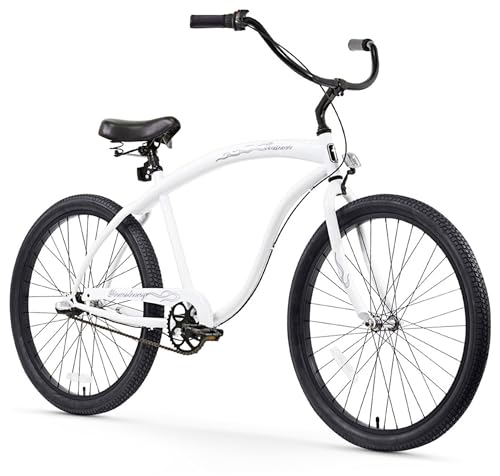
26" cruiser bike for men
Bike Frame Geometry and Size
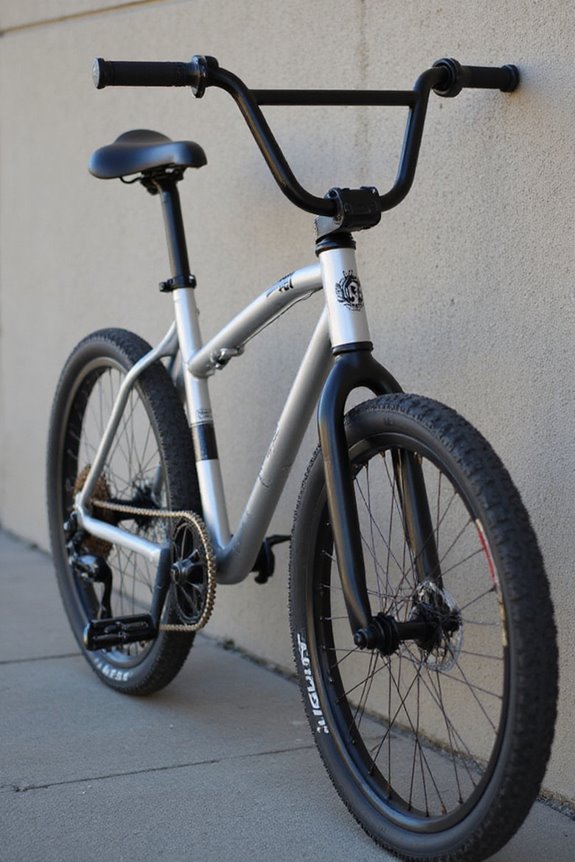
Ready to plunge into bike frame geometry? Let’s break it down!
Frame Dimensions
Flatland BMX frames are shorter, around 19 inches, making them super maneuverable for tricks. Street frames? They’re about 20.8 inches long, giving us the stability we need for jumps.
Geometry Variations
Flatland frames have steeper head tube angles for quick turns, while street frames are more relaxed for stability. Chainstays on flatland bikes are shorter for easy spins, contrasting with longer street stays for stability.
Bottom Bracket Height
Flatland frames often have a higher bottom bracket for better balance during tricks. Street frames usually sit lower for control when rolling fast. Understanding these geometry variations helps us choose the right setup for our riding style! Additionally, selecting a bike with a durable steel frame can significantly enhance performance and longevity in various riding conditions.
Recommended Products

【Beginner-Friendly BMX Bike】 – Ideal for Riders aged 6-9 years (18“) / 8-12 years (20”). Whether new to BMX, mastering basic freestyle tricks and stunts, practicing flatland maneuvers, or advancing their skills in entry-level racing, this BMX adapts to their growth, ensuring years of riding fun without needing frequent replacements.

High-strength 4130 chromoly construction with thermal processing ensures durability, fatigue resistance, and a lifetime replacement warranty for reliable performance on every ride.

【Built Tough for Flatland Tricks】 This freestyle BMX bike is tailored for flatland fun and beginner stunt sessions. It is equipped with a 360°rotatable handlebar and 4 sturdy metal pegs that help riders explore spins, balance moves, and basic tricks with more confidence.
Bike Components and Setup
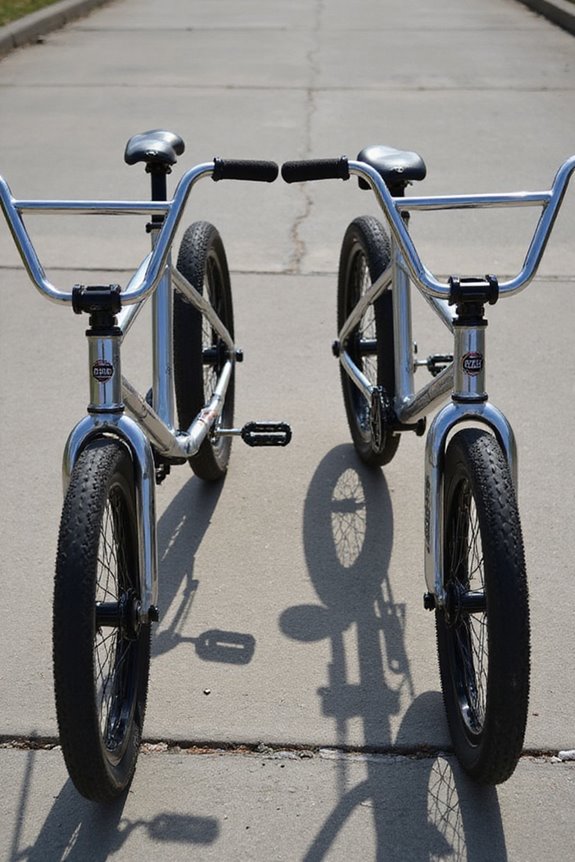
Let’s jump into Bike Components and Setup, where every little piece plays a huge role in how our bikes perform! For flatland, we need high tire pressure—around 110 psi—to make those smooth spins possible. We also rely on slick tires to minimize rolling resistance. Meanwhile, street BMX calls for more aggressive tread patterns, running at lower psi to absorb shocks from jumps!
When it comes to brake systems, flatland bikes often have a front brake with a gyro, letting us spin without tangled cables. On the other hand, street riders may choose no brakes at all for a lighter setup. Each choice helps us ride better, so let’s dial in those components to match our style! Additionally, selecting the right frame material choices is crucial for enhancing performance based on riding style and skill level.
Recommended Products

Kryptotal Front tire is optimized for the front wheel; this all around tire balances stability of grip, traction for braking and rolling resistance. Ideal for mixed terrain conditions for you to push your limits in trail, enduro or downhill gravity riding

Kryptotal Rear tire is optimized for the rear wheel; this all around tire balances stability of grip, traction for braking and rolling resistance. Ideal for mixed terrain conditions for you to push your limits in trail, enduro or downhill gravity riding

Tire is nonmarking and has the bounce and feel of a pneumatic tire without ever getting flat
Riding Style and Tricks
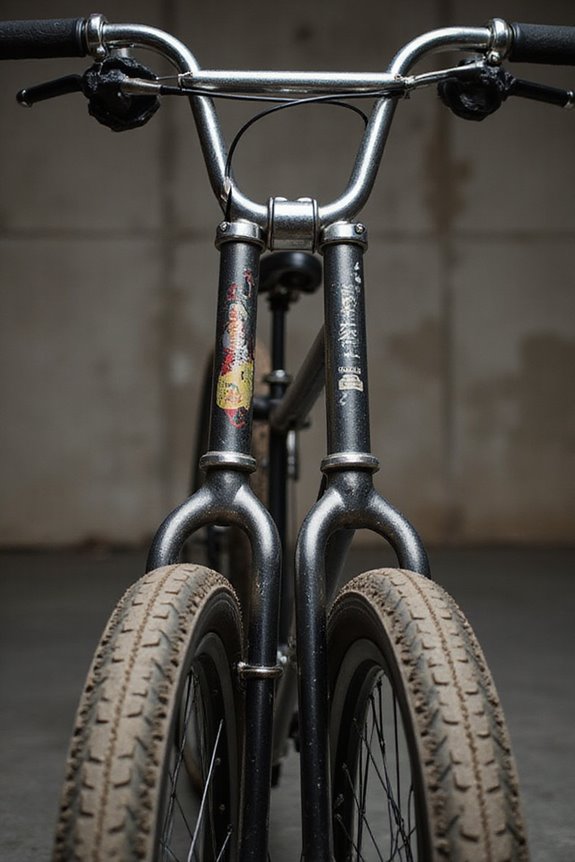
Riding style and tricks can really set flatland and street BMX apart! In flatland, we focus on balance control and spinning techniques at slow speeds. Tricks like the Miami Hopper or Backwards Steamroller showcase our precise weight shifts and body positioning. It’s all about smooth, stylish movements.
On the flip side, street BMX is dynamic and powerful. We thrive on jumps and grinds, using momentum to soar over obstacles. Tricks like bunny hops and 360 spins are our jam! Here, the emphasis is on explosive power and quick tricks. The single-speed drivetrains in many BMX bikes enhance our ability to perform these rapid maneuvers effectively.
In essence, flatland is about finesse while street riding celebrates speed. Both styles bring their unique flair, and that’s what makes BMX so exciting!
Recommended Products

Please select the correct bike size. 18" Bike is suitable for 5-7 years (3ft 4" - 4ft 4"). The 20" is suitable for 11+-year-old (4ft to 5ft 10"). The 26" (4ft 2" to 5ft 10" /16+ in age)

Flinger Race Pro are quick fit, quick release performance mudguards for all season use

Fender profile will work with 700c wheels and tires up to 32mm wide
Bike Durability and Stability
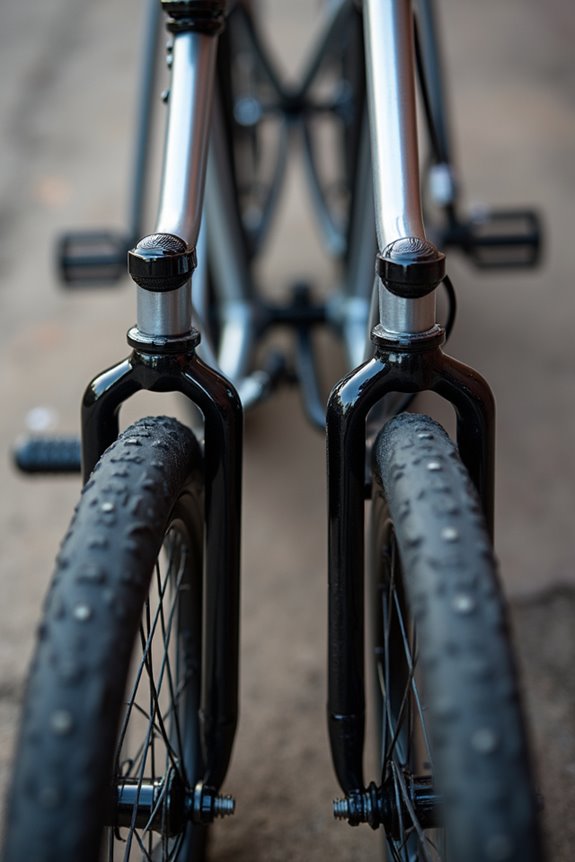
When it comes to bike durability and stability, the differences between flatland and street BMX bikes really stand out! Flatland bikes are lighter, with materials like chromoly but less reinforced frames. This means they’re great for tricks but might not handle rough surfaces as well. On the other hand, street bikes come with double-walled rims and sturdy frames to tackle urban obstacles.
For wheels, flatland tires are slick and high-pressure for smooth rides, while street tires are wider for better grip and shock absorption.
For maintenance tips, keep an eye on your specific bike’s components—street bikes need their pegs and wheels durable and ready for impact, while flatland setups focus on balance and smooth movements. Additionally, material durability plays a critical role in ensuring that BMX bikes withstand the rigors of their respective styles.
Recommended Products

Material: Cast Aluminum A356-T6; Color:Highlight Black
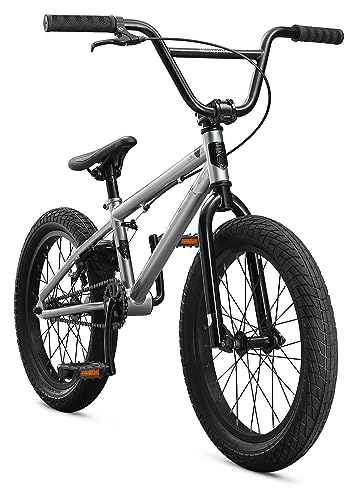
Legion L18 is the perfect in-between option for our kids who wants the features of a standard 20 inch BMX bikes but require a slightly smaller frame, rider height recommendation is 3'8" to 4'8"

Material: Carbon Fiber-Toray T700
Community and Riding Culture
While we enjoy the thrill of our BMX bikes, it’s pretty cool to see how different styles bring together unique communities! Flatland BMX fosters artistic expression, while street BMX thrives on creativity in urban environments.
Both styles encourage community engagement through events like the Red Bull Circle of Balance for flatland or local street jams. These gatherings help riders connect, share tricks, and grow together.
We also see a strong culture of mentorship opportunities. Experienced riders often guide newcomers, helping them build skills and confidence. Online forums and tutorials provide extra resources, making it easy to learn from anywhere. Additionally, clubs often offer structured programs tailored to different skill levels, enhancing the learning experience. So, whether we’re perfecting a trick or cheering on a friend, the bonds we create keep the BMX spirit alive and thriving!
Popular Riders and Influencers
Getting to know the popular riders and influencers in BMX really brings the scene to life! We’ve got legendary riders like Matthias Dandois and Terry Adams, who’ve changed flatland BMX forever. Matthias even brought us the innovative ‘Footlocker’ and is a consistent presence across media, showcasing his creativity!
On the street side, riders like Nigel Sylvester and Garrett Reynolds are essential in popularizing street BMX. Their influencer impact is huge—they not only ride but inspire us through exciting video parts!
These riders also promote their styles through social media and competitions, helping us feel closer to the BMX world. Let’s celebrate these legends and the community they build together!
Frequently Asked Questions
Can I Use a Flatland Bike for Street Riding?
While we can technically use a flatland bike for street riding, it’s not ideal. The geometry and components just don’t support the demands of urban terrains, which might lead to instability and lack of control.
Are There Competitions for Flatland BMX?
Absolutely, we’ve got vibrant competitions for flatland BMX! In thrilling competition formats, riders showcase their artistry, steering through trick categories that spotlight creativity and skill. Together, we celebrate the heart and soul of this enchanting discipline!
How Do I Choose the Right BMX Style for Me?
To choose the right BMX style for us, we should consider our personal preferences: whether we crave artistic finesse on flat surfaces or adventurous tricks in urban landscapes. It’s all about what feels best for each of us!
What Safety Gear Is Recommended for Each BMX Style?
For our BMX adventures, we should wear essential equipment like helmets, gloves, knee and elbow pads. Choosing the right safety gear is vital for both balance tricks and hitting urban obstacles. Let’s ride safely together!
How Long Does It Take to Learn Flatland Tricks?
When we plunge into learning flatland tricks, we experience quite the journey. Typically, it takes several weeks for basics, with the learning curve smoothing out over months through dedicated practice and countless attempts.


