As an Amazon Associate, we earn from qualifying purchases. Some links on this site are affiliate links at no extra cost to you. Our recommendations are based on thorough research and editorial judgment.

What Is The Difference Between CPSC, EN1078, And ASTM BMX Helmet Standards?

When we talk about helmet standards, CPSC, EN 1078, and ASTM BMX are all about safety! CPSC is the U.S. standard for higher impacts, focusing on protection at speeds typical for biking. EN 1078 is more for casual cyclists in Europe, allowing slightly lower impact forces. ASTM is specifically for BMX riders, featuring added tests to handle tough stunts and falls! Each standard helps us choose the safest helmet for our needs. Want to know more about how these standards work?
Key Takeaways
- CPSC standards focus on high-impact protection, limiting forces to about 300 G’s for various cycling activities, emphasizing crash safety.
- EN 1078 allows for lower G-forces, targeting recreational cycling with a focus on energy absorption and adequate coverage without obstructing vision.
- ASTM standards are specifically designed for BMX and downhill cycling, ensuring rigorous testing for toughness and chin bar security during tricks.
- Each standard requires strong retention systems, but CPSC and EN 1078 emphasize securing helmets during accidents for broader user safety.
- Compliance with these standards guarantees that helmets meet specific safety regulations for different cycling activities, enhancing user protection and confidence.
Overview of Helmet Safety Standards
You may be interested



When it comes to staying safe while riding, understanding helmet safety standards is super important! These standards guide helmet innovations and guarantee we’re protected on our adventures.
First up, the CPSC standard, which is the go-to in the U.S., requires helmets to handle higher impacts and multiple types of falls. It keeps us safe by limiting acceleration forces during crashes to about 300 G’s!
Then we have the EN 1078 standard from Europe. It allows for lower G-forces, so helmets can be lighter and thinner, focusing on casual biking speeds.
Lastly, ASTM standards cover BMX and downhill riding with tougher tests. Each standard has its focus but all share the goal of making our rides safer as we enjoy our time on wheels! Additionally, safety certifications are essential for ensuring that the helmets we choose meet rigorous performance benchmarks.
Importance of Helmet Safety Regulations

Safety is key when we’re out riding, and helmet safety regulations play a huge role in keeping us protected! These rules help guarantee that helmets absorb impacts and reduce the risk of head injuries, which we all want to avoid. By meeting safety standards, we can trust that our helmets will protect us in various crash situations. User responsibility is essential too! When we choose certified helmets, we’re not just following the law; we’re investing in our safety. Helmet benefits include better fit and security, thanks to strong retention systems that prevent helmets from coming off in an accident. Additionally, many helmets meet safety certifications like DOT, ensuring quality and reliability for riders. Let’s stay safe out there by understanding the importance of these safety regulations and making smart choices!
Understanding CPSC Helmet Standards

Have you ever wondered what makes a BMX helmet safe? The CPSC, or Consumer Product Safety Commission, sets the standards for helmets in the U.S. That’s right! Since 1999, all helmets sold here must pass strict tests.
Impact Testing
These helmets limit the impact force to a maximum of 300 g’s. That’s essential because impacts above this can lead to serious injuries. They simulate crashes at 14.5 mph to make sure our noggins are protected!
Penetration Resistance
Helmets also need to resist sharp objects. They face tests where pointed objects are dropped. If the helmet withstands that, we are aware it’s got our backs! Additionally, the design features and safety considerations of BMX ramps highlight the importance of safety elements in protecting riders during stunts.
Recommended Products

PRO-GRADE SHELL MATERIALS — 12K carbon fiber shell with RHEON Cells give you strength and comfort. Certified to ASTM F1952 (DH), CPSC and CE EN1078 standards for racing-level gear.

CONVERTIBLE FULL-FACE: A true 2-in-1 helmet, the Parachute MCR MIPS has a Magnetic Chinbar Release (MCR) to allow instant conversion between full- and open-face modes — delivering all-terrain versatility for enduro, all-mountain, and e-MTB riding.
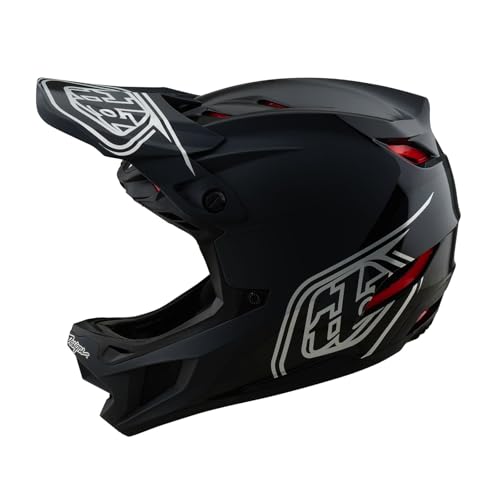
COVERAGE: Polyacrylite shell, EPP Collarbone impact system, chinbar shock pads. 1150 grams
Exploring EN 1078 Helmet Standards

BMX helmets are just as important in Europe, where they follow the EN 1078 helmet standards. This standard emphasizes safety through how a helmet fits and its ability to keep our vision clear.
When we look at coverage assessment, EN 1078 guarantees that helmets cover key areas of our heads without blocking our field of vision. We appreciate how they balance shock absorption with stability, limiting impacts to below 250 G! Plus, they’re tested for durability against wear and tear, so we are aware they can handle our adventurous rides. Additionally, the focus on safety gear recommendations ensures that riders are well-protected during their BMX activities.
With strict rules for retention systems, we can feel secure that our helmets are staying put during those thrilling falls. It’s all about keeping us safe while we enjoy our time on wheels!
Recommended Products

FIBERGLASS SHELL AND MIPS-EQUIPPED - MIPS stands for Multi-directional Impact Protection System, which is a leading slip-plane technology inside the helmet designed to reduce rotational forces that can result from certain impacts.

NO MISSED RACES (NMR) BUMPERS — Using a softer EPP material, two bumpers on either side of the helmet compress under load but bounce back to its original form, reducing the likelihood of further injury caused from the helmet contacting your body.

Dual-density shell construction
ASTM Standards for BMX Helmets

When we immerse ourselves in the world of ASTM standards for helmets, we find they’re crafted specifically for BMX cycling. These standards guarantee BMX helmet safety through ASTM F2032 compliance, designed to handle those high-energy impacts we encounter when riding. ASTM F2032 requires helmets to cover more of our heads compared to other standards. Plus, they test chin bars for strength, guaranteeing our faces are protected during those wild tricks! Helmets must pass tests on retention systems, which check if the straps hold up during an impact. Additionally, having a reliable helmet is essential, especially when performing tricks on a BMX freestyle bike that demands high levels of safety and performance.
Recommended Products

Strong ventilation at any speed: large air vents and a sophisticated ventilation system provide effective cooling – refreshing ventilation during fast sprints, slow climbs and with sunglasses attached

Snell SA2025 Certified, made of Fiber Reinforce Plastic(GFRP) composite shell, Double D-ring equipped, more lightweight, and higher safety.

Meets Federal Motor Vehicle Safety Standard 218 (FMVSS 218). Meets DOT and ECE22.06 standards and certifications.
Key Differences in Testing Procedures
Understanding the differences in testing procedures for helmets can feel a bit overwhelming at first, but it’s super important!
Impact Evaluations
CPSC and EN 1078 have different testing methodologies. For instance, EN 1078 requires four impacts on the helmet, while ASTM standards also test chin guards separately. ASTM tests from higher drop heights—up to 2 meters—compared to others!
Impact Speeds and Conditions
ASTM tests at about 6.2 m/s, which mimics real-life accidents. Plus, some standards test helmets in extreme temperatures or wet conditions to guarantee safety in various environments. The importance of fit and comfort is also considered in these standards to ensure proper protection during use.
Impact Thresholds: CPSC vs. EN 1078
Let’s explore the impact thresholds set by CPSC and EN 1078! When it comes to impact resistance, CPSC allows peak accelerations up to 300 G’s, while EN 1078 sets a lower threshold at 250 G’s. This means helmets meeting EN 1078 may absorb less force during impacts, promoting stronger energy absorption overall.
In terms of testing protocols, CPSC uses higher impact energies—about 25 Joules more—compared to EN 1078. EN 1078 emphasizes multiple lower-energy impacts, ensuring helmets endure minor hits. Meanwhile, CPSC’s approach focuses on fewer but tougher impacts.
Understanding these differences helps us choose helmets that safeguard our heads, whether we’re cruising or shredding! Let’s keep our brains safe out there!
The Role of Multi-Impact Testing
Multi-impact testing plays a crucial role in ensuring our BMX helmets keep us safe during those gnarly rides! This testing checks how well our helmets can handle multiple hits, which is super important because we understand falls happen often.
EN 1078 looks at four impacts but with lower energy levels, while CPSC focuses on fewer, higher-energy hits. ASTM F1492 bridges the gap, making sure our helmets can handle the unique risks of BMX biking!
It’s all about multi-impact resilience and making sure our helmets protect us after each fall. Different types of anvil tests, like angled impacts with the hemi anvil, help assess how our helmets perform in real-world crashes. Let’s stay safe out there!
Geographic Application of Helmet Standards
Understanding where helmet standards apply is essential for safety and compliance! In the U.S., the CPSC standards are mandatory, while Europe uses EN 1078, which is also required for sales. ASTM standards are more global and voluntary, often followed in the U.S.
Here’s a quick breakdown:
- CPSC: U.S. mandatory compliance.
- EN 1078: Required in Europe; focuses on impact protection.
- ASTM: Voluntary and globally accepted.
Helmet compliance means your gear is safe wherever you go! Keep in mind, helmets must meet local regulations to be imported into a country, so check the standards that apply to you. Let’s stay safe out there!
Certification Markings: What They Mean
When we’re picking out a BMX helmet, it’s important to check for certification markings. These little labels tell us about the helmet technologies and how safe they are. For instance, if we see the EN 1078 mark, it means the helmet passed European tests for shock absorption and retention.
On the flip side, the CPSC mark shows it meets U.S. standards and has gone through tougher impact tests! If a helmet has the ASTM mark, it’s specifically for BMX and skate activities, ensuring it’s ready for those intense rides.
Focus Areas of Each Standard
Let’s break it down! Each helmet standard has its focus areas, making them unique.
CPSC
- Tests impact attenuation to 300 g’s for typical city cycling.
- Confirms helmets resist punctures and stay secure in crashes!
EN1078
- Focus on absorbing energy from drops onto flat and kerbstone surfaces, mimicking urban falls.
- Checks chin strap security and keeps our vision clear!
ASTM BMX
- Handles higher impacts for BMX tricks, requiring rigorous testing for dynamic forces.
- Emphasizes protection of vulnerable skull areas—because safety is key!
These different focus areas confirm standard evaluations are thorough, covering various testing methodologies to maximize our protection while riding. Let’s keep our heads safe out there!
Consumer Considerations for Helmet Purchasing
Choosing the right helmet isn’t just about looking cool; it’s about keeping our heads safe while we ride! When we’re shopping, we should consider a few key helmet selection criteria. First, check for certification labels! Helmets meeting CPSC or EN 1078 standards are safe bets, while ASTM is great for BMX enthusiasts.
Don’t forget to read user experience feedback. This can help us understand how different helmets feel and perform during rides. Are they comfortable? Do they fit well? These details matter, especially as we aim for safety without sacrificing comfort!
Recommended Products

One K MIPS CCS Helmet, Color: Black Matte, Size: Medium (471045BKMATMED)

MADE FOR DOWNHILL_ Reinforced MTB helmet made for downhill racing delivers on performance, protection, ventilation and all-day comfort. Certified for use in downhill and enduro racing

E-Bike Certified Premium MTB Helmet: Designed for those who embrace speed, the Smith Payroll mountain bike helmet offers complete coverage for enduro, trail and E-MTB use; the lightweight design is E-bike certified, which tests helmets at higher speeds than traditional bike helmet certifications
Helmet Structure and Safety Features
While we gear up for our BMX rides, it’s important to understand how our helmets are designed for safety! The helmet design combines a hard outer shell with an energy-absorbing liner. This setup helps protect our heads from impacts.
CPSC helmets go through rigorous testing that pushes them to withstand high energy impacts, while EN 1078 focuses on different tests with slightly lower thresholds. ASTM specifically gears toward our BMX needs, ensuring both durability and impact resistance.
Additionally, features like secure retention systems and smooth outer surfaces help minimize injury risks. With these safety advancements, our helmets are built to keep us safe, letting us focus on the thrill of the ride. Let’s ride smart and stay protected!
Compliance Requirements for Helmet Manufacturers
When it comes to helmet compliance, manufacturers have some important rules to follow! We’ve got to guarantee our helmets meet strict helmet regulations, especially if they’re sold in the U.S. That means getting a certification from CPSC, which is mandatory.
If we’re eyeing the European market, we need to comply with EN 1078 too. Plus, ASTM standards for BMX helmets are voluntary but help build trust with bikers!
Manufacturer responsibilities include labeling helmets with proper certification marks and keeping documentation of all tests. This proves we are serious about safety. Remember, these steps aren’t just checkboxes; they build consumer confidence and help protect riders! So, let’s keep the safety game strong!
The Impact of Standards on Cycling Safety
Because helmet standards are in place, we can feel more secure knowing that our helmets actually do their job! These standards, like CPSC, EN1078, and ASTM, guarantee that helmets meet vital safety benchmarks for impact protection. When we wear helmets that comply with these regulations, we greatly boost our helmet effectiveness, reducing the risk of severe injuries by nearly 69%!
It’s all about injury prevention. Helmets can lower general head injury rates by 51% and even cut facial injuries by 33%. So, when we put on our helmets before a ride, we’re not just following rules—we’re protecting ourselves and making cycling a safer experience! Let’s always be smart and stay safe out there!
Frequently Asked Questions
Can Helmets Meet Multiple Standards Simultaneously?
Sure, it’s only a tiny feat to have helmets meet multiple standards simultaneously! With a dash of multi-standard compliance, passing those rigorous certification tests can open doors to matching our safety needs while ensuring style.
How Can I Verify a Helmet’s Certifications?
To verify a helmet’s certifications, we can check the inside label, use online verification methods, and examine packaging or documentation. Following these simple steps helps guarantee our helmets meet the necessary safety standards.
Do Lighter Helmets Sacrifice Safety?
With modern helmet materials, we can enjoy lightweight safety without sacrificing protection. In fact, many lighter helmets meet rigorous standards, proving that innovation in design can provide both comfort and security when we ride.
What Is the Lifespan of a Bicycle Helmet?
A bicycle helmet’s lifespan is typically 3 to 5 years. We should watch for helmet replacement signs, like cracks or foam damage. Plus, let’s follow helmet maintenance tips to keep them in good shape!
Are There Regional Variations in Helmet Design?
Like a canvas shaped by an artist’s hand, our helmets reflect regional regulations. Design variations spring from these standards, ensuring safety tailored to specific environments, lifestyle choices, and local preferences, creating unique identities for riders across the globe.