As an Amazon Associate, we earn from qualifying purchases. Some links on this site are affiliate links at no extra cost to you. Our recommendations are based on thorough research and editorial judgment.

What Is The Best BMX Race Helmet Certification?

When it comes to BMX racing, the best helmet certification is ASTM F2032! This standard is specially designed for our sport, offering high-quality impact protection tailored to the unique risks of BMX. It guarantees helmets can handle multiple impacts and cover a large area, which is super important for our safety. If you’re serious about riding, choosing an ASTM F2032 certified helmet is a no-brainer. Stick around, and we’ll share more tips on finding the perfect helmet!
Key Takeaways
- ASTM F2032 is considered the gold standard for BMX helmet certification, addressing specific BMX risks and providing superior impact protection.
- Helmets certified by ASTM F1492 and CPSC are also acceptable, focusing on rigorous impact testing for crash safety.
- The certification indicates that a helmet has passed testing for real-world BMX riding conditions and multiple impacts.
- Certified helmets significantly reduce the risk of head and facial injuries, offering up to 85% protection.
- Ensure the helmet has a secure fit and displays certification stickers for compliance and trust in safety standards.
Understanding BMX Helmet Certifications
You may be interested


When it comes to picking out a BMX helmet, understanding certifications is super important! These certifications tell us how well a helmet can protect our heads during those wild rides. We want to look for standards like CPSC, ASTM F1492, and EN 1078, which focus on impact absorption.
When a helmet gets certified, it’s tested for its ability to handle impacts similar to what we might experience in BMX biking. Plus, a good helmet will have a sticker showing it meets these standards! This helmet technology guarantees that the gear we choose is not only cool but safe too. Additionally, helmets with multi-density EPS linings provide enhanced impact protection, further ensuring our safety. So, let’s make certain we gear up right—we’re worth the protection!
The Importance of Certification Standards

Understanding certification standards is crucial for every BMX rider! These standards guarantee our helmets have high-quality helmet effectiveness. Certified helmets can reduce our risk of head, brain, and facial injuries by up to 85%. That’s huge!
Certification benefits also include rigorous testing that assures our helmets will perform in real BMX situations, such as jumps and falls. Plus, we get peace of mind knowing these helmets are compliant and traceable, which helps us trust our gear! Moreover, choosing helmets that meet safety certifications ensures we are investing in effective protection against potential impacts.
And let’s not forget, having a certified helmet boosts our confidence while racing! We all want to ride safely and enjoy our BMX adventures. So, let’s choose helmets that meet these important certification standards and protect ourselves on the track!
Recommended Products

Modular, flip-up style helmet

Snell SA2020 Rated (Sticker Affixed); HANS / HNR M6 Threaded Inserts In Shell; FRP Composite Shell

LIGHTWEIGHT FULL-FACE PERFORMANCE – Approximately 690g construction engineered to deliver balanced coverage while helping reduce rider fatigue during extended use.
Comparing ASTM F2032 and Other Certifications

Comparing helmet certifications can be a bit overwhelming, but it’s super important for our safety! When it comes to BMX, the ASTM F2032 is the gold standard. This certification matters because it’s designed for the unique risks we face—like higher impact protection and larger coverage areas.
In contrast, other certifications like CPSC don’t focus on our specific needs, missing features like chin bars. Plus, ASTM F2032 not only evaluates overall helmet performance but also tests how well it can handle multiple impacts! Additionally, it’s crucial to wear high-quality, durable construction gear, including helmets, to ensure maximum protection while riding.
Recommended Products

FIBERGLASS SHELL AND MIPS-EQUIPPED - MIPS stands for Multi-directional Impact Protection System, which is a leading slip-plane technology inside the helmet designed to reduce rotational forces that can result from certain impacts.

Mips added protection system has been proven to reduce the rotational motion when implemented in a helmet by absorbing and redirecting energies and forces otherwise transmitted to the brain.

Shell Material: ABS
Helmet Safety Requirements for BMX Racing Events
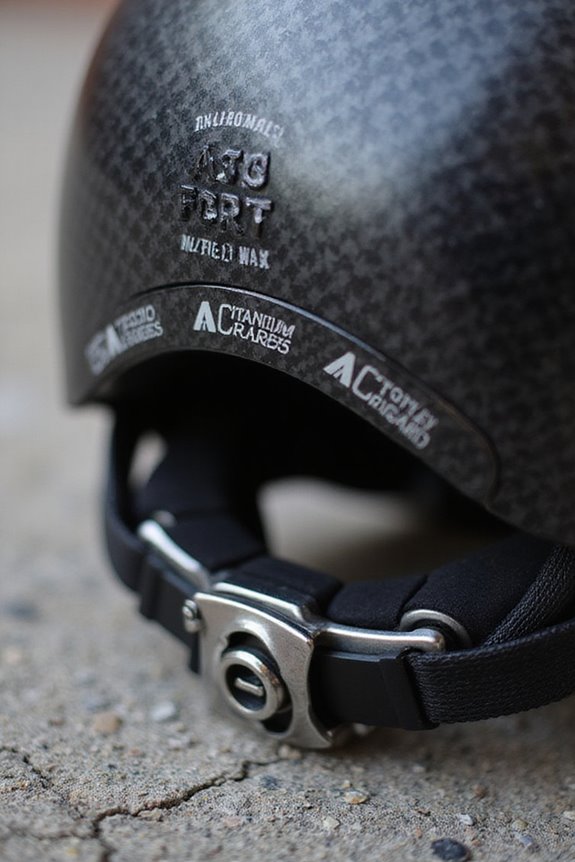
BMX racing isn’t just about speed; it’s also about safety! When we hit the track, wearing the right helmet is vital. Most racing events require us to wear helmets certified by trusted agencies like ASTM F1492 or CPSC. This certification guarantees our helmets have passed rigorous impact testing, so they protect us during crashes.
Helmet fitting is essential! It shouldn’t be too tight or too loose; a well-fitted helmet stays put and keeps us safe. Race officials often check this, so let’s make certain our helmets fit just right! Remember, it’s not just our heads we protect; some events even recommend extra gear like knee and elbow pads to keep us safe and ready to race! Adjustable features in helmets can enhance the fit and comfort, ensuring optimal safety while we ride. Let’s ride smart!
Recommended Products

FLEX ENERGY MANAGEMENT — A first-of-its kind, three-layer impact liner designed to manage energy from three potential impact scenarios: low, mid, and high-speed.

Meets Federal Motor Vehicle Safety Standard 218 (FMVSS 218). Meets DOT and ECE22.06 standards and certifications.

Material and Construction Standards for BMX Helmets

When it comes to choosing the right materials for our helmets, we’ve got some important things to keep in mind!
First up, helmet materials: look for lightweight options like polycarbonate or fiberglass. They’re durable and comfy! The inner layer should be made of Expanded Polystyrene (EPS) foam, which absorbs impacts. Some fancy helmets even use multi-density foam for extra safety! Additionally, consider helmets that are designed with durability features to ensure they withstand various conditions and impacts.
Next, let’s talk construction techniques. In-mold construction really bonds the outer shell to the foam, making the helmet stronger without being heavy. Also, make sure it meets safety standards like ASTM F2032, designed just for BMX.
Recommended Products

Lightweight full fiberglass shell construction. Shell weight: 1300g (±50g) size M

Multi position design: for optimal aerodynamics regardless of head tilt
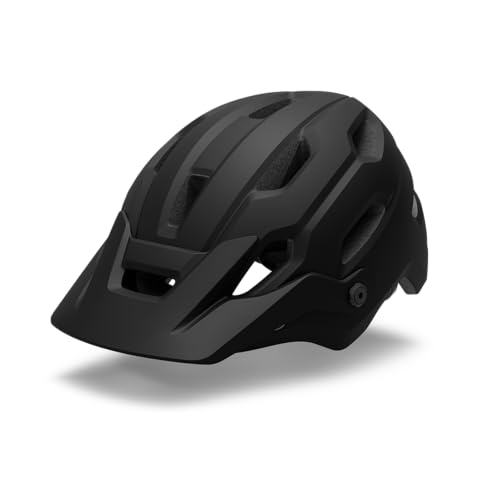
INTEGRATED MIPS BRAIN PROTECTION SYSTEM — All Giro helmets are designed to reduce as much energy as possible while meeting and exceeding stringent safety standards. The goal of Giro's Integrated Mips-equipped helmets is to reduce rotational forces, while enhancing fit and comfort by combining the Mips slip plane with the helmet's adjustable fit system.
Choosing the Right BMX Helmet for Racing
So, how do we pick the best BMX helmet for racing? First, we need to think about safety certifications like CPSC and ASTM. They keep us protected! Next, let’s consider comfort features. Lightweight helmets are a must to prevent fatigue while we race. And don’t forget about budget considerations—helmets can vary widely in price.
Looking for a great fit? We should check for good ventilation and a secure chin strap. Reviews from fellow riders can also guide us in making the right choice! Remember, a little research goes a long way. Let’s find a helmet that’s safe, comfy, and fits our price range! After all, we want to ride with confidence and style! Additionally, selecting a helmet with safety certifications ensures adherence to industry standards and helps mitigate head injuries in accidents.
Recommended Products

PRO-GRADE SHELL MATERIALS — 12K carbon fiber shell with RHEON Cells give you strength and comfort. Certified to ASTM F1952 (DH), CPSC and CE EN1078 standards for racing-level gear.

MADE FOR DOWNHILL_ Reinforced MTB helmet made for downhill racing delivers on performance, protection, ventilation and all-day comfort. Certified for use in downhill and enduro racing with a RECCO reflector and NFC Medical ID

Mips Integra Split impact protection system combines an EPP liner with the EPS layer and is designed to reduce rotational forces in a crash.
Frequently Asked Questions
Can I Use a Non-Certified Helmet for Practice Rides?
No, we shouldn’t use non-certified helmets for practice rides. They don’t meet safety standards, increasing risks. Prioritizing our practice safety is essential, so let’s choose certified helmets for better protection while riding together.
How Often Should I Replace My BMX Helmet?
Like a trusty shield, our BMX helmets need care. We should replace them every 3 to 5 years, adhering to helmet longevity and replacement guidelines, ensuring we stay safe on our thrilling rides.
Are There Helmets Specifically Designed for Kids?
Yes, there are youth-sized options specifically designed for kids, ensuring they meet safety standards. We recognize how crucial protection is while riding, and these helmets prioritize comfort and fit for young BMX enthusiasts.
What Features Should I Look for in a BMX Helmet?
When choosing a BMX helmet, we should look for safety standards compliance and quality helmet materials. Also, a snug fit, good ventilation, and solid impact absorption capabilities are essential for our protection during rides.
Do Certifications Vary by Country or Region?
Sure, we’re all about global unity when it comes to helmet regulations! Unfortunately, certifications vary oddly by country. Each region has its own international standards—CPSC, EN 1078—creating a protective patchwork. Let’s navigate this together!