As an Amazon Associate, we earn from qualifying purchases. Some links on this site are affiliate links at no extra cost to you. Our recommendations are based on thorough research and editorial judgment.

How To Transport BMX Bikes Safely?

Transporting BMX bikes safely is all about preparation! First, we need to clean our bikes and inspect all parts, tightening anything loose. When loading, it helps to remove pedals and secure everything with straps. Protect the bike with foam or cloth to avoid scratches. Make sure we adjust tire pressure and check brakes, too! Using the right vehicle setup, like bike racks or padded bags, keeps our ride safe. There’s more awesome info ahead!
Key Takeaways
- Use strong bungee cords or ratchet straps to secure the bike during transport and prevent movement.
- Remove loose parts such as pedals and pegs to avoid damage while transporting the bike.
- Protect contact points with microfiber cloths or foam padding to prevent scratches during transport.
- Load bikes rear wheel first and face gears upward to ensure proper balance and minimize movement.
- Slightly deflate tires to about 20-30 psi to prevent pinch flats during transport.
Cleaning Your BMX Bike Before Transport
Before we hit the road with our BMX bikes, it’s super important to give them a good cleaning! This guarantees we’re not transferring dirt and grime when we load them up. First, let’s remove the wheels to keep water out of sensitive spots like the bottom bracket. Using low-pressure water, we’ll gently rinse the tires and wheels separately.
Next, grab high-quality cleaning products—bike soap works wonders! Pre-rinse the frame to soften dirt, apply the soap with a soft sponge, and clean from top to bottom. Remember to carefully scrub the drivetrain, then rinse avoiding brake parts. Additionally, maintaining the braking system efficiency is crucial for a smooth riding experience. Finally, drying using a microfiber cloth helps reduce rust. Clean bikes mean a smoother ride and a happier trip! Let’s get started!
Inspecting and Tightening Essential Components
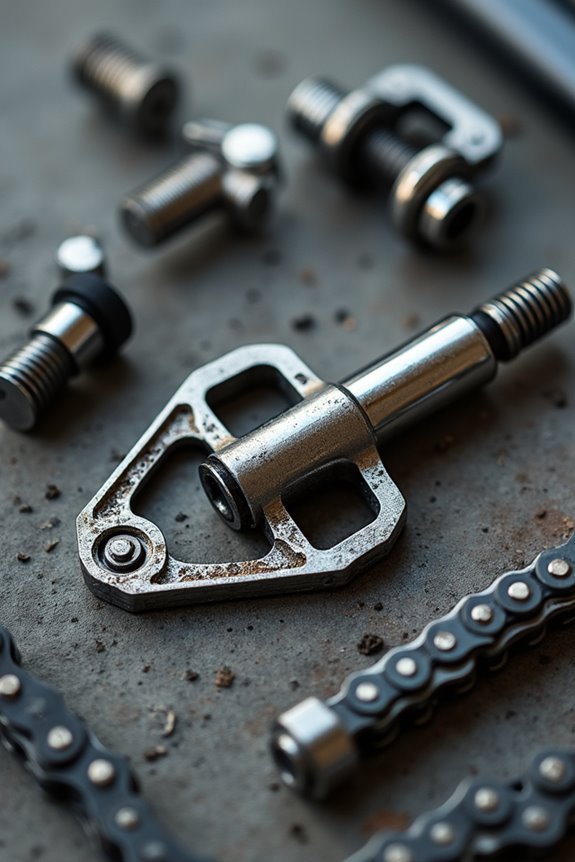
When we’re gearing up to transport our BMX bikes, a solid inspection of essential components can really save us from headaches down the road! First, let’s check the frame and fork. Look for any cracks or damage, and make certain everything is aligned. Next, give those wheels some love. Check tire pressure and tighten any loose spokes to guarantee proper alignment.
Don’t forget about those brakes! We need to test them for smooth engagement and tighten any mounting bolts, assuring we have solid brake efficiency. Finally, check the handlebars and seatpost clamps—make sure they’re secure and properly aligned. It only takes a few minutes, but keeping everything tight and straight prevents issues while we’re on the road! Additionally, ensuring that the bike’s braking system efficiency is optimal before transport helps maintain safety during your ride.
Protecting the Bike During Transport
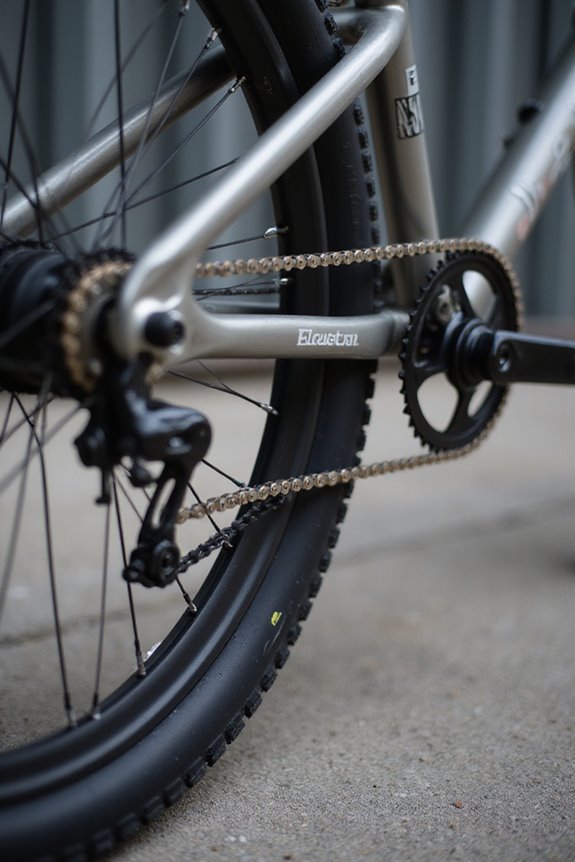
To keep our BMX bikes safe during transport, we’ve got to think about protecting them from bumps, scrapes, and unexpected vibrations! First, let’s add some frame protection. We can use microfiber cloths or foam padding at all contact points to prevent scratches. Don’t forget to wrap our handlebars with towels or bubble wrap to guard those delicate brake levers.
Next, securing accessories is key! We should remove any loose parts and pack them separately—like pedals and pegs—to avoid damage. Also, using strong bungee cords or ratchet straps will help keep our bikes steady. If we’re in a truck bed, let’s secure both the frame and wheels to keep everything tight. Additionally, it’s important to ensure that the frame is made from durable materials to withstand impacts during transport. With these steps, we’ll keep our rides in top condition!
Recommended Products

SAFE & SECURE - With its hard shell and massive storage design, this bike travel case ensures you can take your beloved bike anywhere in the world securely and easily, just like a pro. Easy to pack and assemble, making travelling simple! TSA lock included.

Sport type: biking

Full Size Fits the Following Models: Toyota Tundra, Chevrolet Silverado, GMC Sierra, Dodge Ram, Ford F150-350, Nissan Titan.
Deciding Whether to Remove Parts
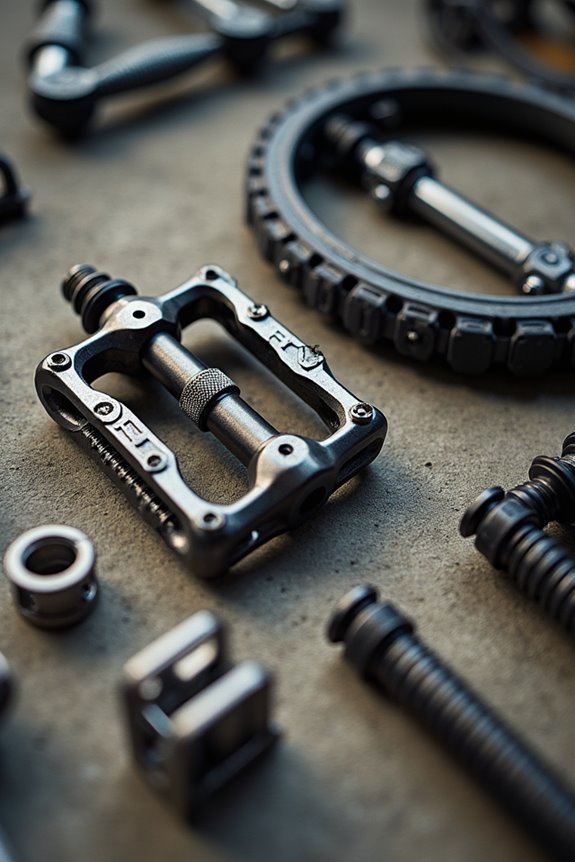
Wondering whether we should take off certain parts of our BMX bikes before transport? It’s a good question! Part removal can really boost our transport efficiency. By taking off accessories like pegs and pedals, we cut down on size and avoid scratches or damage.
The front wheel is often removed to make the bike more compact and prevent handlebar movement. However, if we need to ride right after transport, leaving the handlebars attached can save time! We just need to secure them to avoid risks.
Using the right tools is key, too. A little effort in removing those protruding parts can keep our ride safe and sound. Regular maintenance, such as checking the braking system, ensures everything stays in top shape for a smooth trip! So, let’s make smart choices for a smooth trip!
Lubricating Key Moving Parts
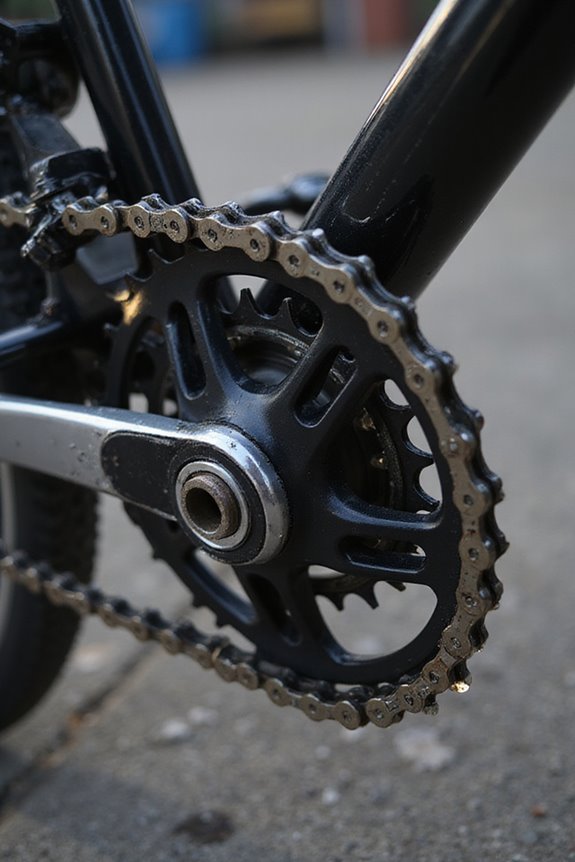
Lubricating our BMX bike’s moving parts is super important for keeping everything running smoothly. First, let’s talk about chain lubrication. Make sure to clean the chain thoroughly before applying bike-specific lube. Just one drop per link is all we need, then pedal it through the gears!
Next up: bearing greasing. We should apply grease to all bearings and bolts to help them move easily. Avoid getting grease on pawls in hubs—stick to light lubricants there! Choosing high-quality materials, such as tubular chromoly steel, can greatly enhance the durability and performance of your bike components.
Regular maintenance is key, especially after wet or dirty rides. Checking everything often helps nip any issues in the bud. By keeping our bike well-lubricated, we can ride longer and smoother—let’s keep the fun rolling!
Choosing the Right Bike Rack
Recommended Products

Versatile Bike Rack: Fits 1.25" hitch receivers, making it compatible with a wide range of vehicles—from cars to SUVs to trucks; Transports 2 eBikes, bikes with fenders, mountain, road, hybrid, women’s specific, BMX, or kids bikes with ease

WOMEN’S HYBRID CRUISER: Step-through hybrid cruiser bike designed for commuting and leisure rides; 17.5" aluminum frame; fits riders approx. 5'0"–6'4"; supports up to 300 lbs
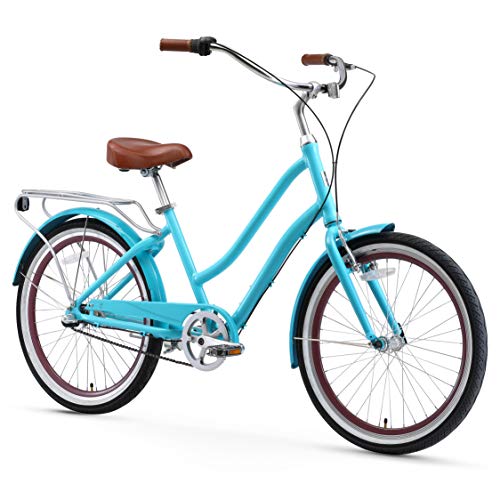
WOMEN’S HYBRID CRUISER: Step-through hybrid cruiser bike designed for leisure rides and commuting; 14" aluminum frame; our bikes fit riders approx. 4'4"–5'0"; supports up to 300 lbs
Rack Features to Take into Account
We want adjustable arms or cradles to hold our smaller BMX frames securely. Look for durable materials like aluminum or steel, ensuring they’re rust-free! Lightweight parts enhance overall bike agility and performance, making it crucial to secure our rides properly during transport.
Attachment Types
Hitch-mount racks are great, especially tray-style ones, as they provide stability. Trunk racks can be portable but might not handle our bikes as well due to frame contact risks.
Compatibility
Make sure the rack fits our BMX’s narrower wheelbases and smaller tire sizes, often as small as 18 inches. With these features in mind, we can feel confident when transporting our precious rides!
Loading the Bike Inside a Vehicle
Let’s plunge into getting our BMX bikes inside the vehicle safely! First off, we need to create enough space. Let’s fold down the rear seats and clear the area to avoid any damage. We can also use old blankets or bubble wrap for some protective padding.
When it’s time to load up, let’s use some smooth loading techniques. We should slide the bike in with the rear wheel first and face the gears upward. If the space is tight, removing the front wheel will help! Remember, stacking bikes works well too, but we’ll always keep padding between them.
A little cargo organization goes a long way, making our ride smoother and damage-free. Ready to load? Let’s do this!
Securing Your BMX Bike Properly
Securing your BMX bike properly is essential for a smooth ride and peace of mind! First, let’s talk about BMX frame protection. We should use heavy-duty ratchet or cam buckle straps to secure our bike frame, avoiding delicate areas like brake cables.
Strap adjustment techniques are key! Remember to wrap the straps around solid parts and tighten them just enough to prevent movement—no overtightening! If our BMX has a unique shape, we might need extra straps for stability.
Lastly, let’s position the bike closer to the vehicle body to balance the weight. A little cushion at contact points keeps our bike safe from scratches. With these tips, we’ll hit the road worry-free!
Recommended Products

Fits pickups with the OEM truck bed puck system (year range specific)

Quarter-turn anchoring system provides quick installation and removal

Cast yoke with poly-torsion inserts to suppress shock loads and reduce noise
Avoiding Damage From Nearby Objects
When we’re out on the road with our BMX bikes, protecting them from damage by nearby objects is super important! One great way to do this is by using padding materials like bubble wrap or foam at contact points. Wrapping our frame tubes and fork blades helps prevent scratches and dings.
We should also be mindful of where we place our bikes. Keeping them away from heavy or sharp objects minimizes impact damage. Plus, using vibration damping systems can isolate our bikes from bumps and jolts, keeping them safe and sound.
Let’s remember to secure any loose parts and avoid stacking things on our bike. A little extra care can go a long way in keeping our rides in top shape!
Safety Checks During Transport
Safety checks are essential for keeping our BMX bikes in top shape during transport! First, let’s check the tire pressure. We should verify it matches the manufacturer’s recommended range. Also, it’s smart to inspect for cracks or debris in the tires. Next, let’s give our brake system a quick test by squeezing the levers—firm engagement is key!
Don’t forget to look at the chain and drivetrain. Cleaning and lubricating the chain will keep it running smoothly. Finally, before we hit the road, let’s make sure our safety gear is ready. Our helmets should fit snugly and straps need checking. A little prep goes a long way in making certain our ride is safe and sound!
Transporting Multiple BMX Bikes Effectively
Transporting multiple BMX bikes can be a bit of a puzzle, but it doesn’t have to be stressful! To start, choosing the right rack type is essential. Hitch-mount racks are great for a secure grip, while truck bed racks can hold two bikes and be combined for more.
For bike organization, we can make space by removing pedals and detaching wheels. Positioning bikes wheel-to-wheel also keeps everything snug! Using padded separators protects our bikes’ paint during the ride, which is super important.
Don’t forget about security—locks are vital, especially when using trunk-mounted racks. Finally, let’s remember to load heavier bikes lower for balance. With these tips, we can hit the road worry-free and ready for our adventure!
Recommended Products

The hydraulic damper provides weight assistance, making it easier to both lower and raise the rack with bikes fully loaded. Accessible tilt release handle for tilting the rack. The rack locks itself when tilted down in the load position. By gently pushing the handle down, the memory function activates which allows the user to let go of the handle and use both their hands to push the rack back up again
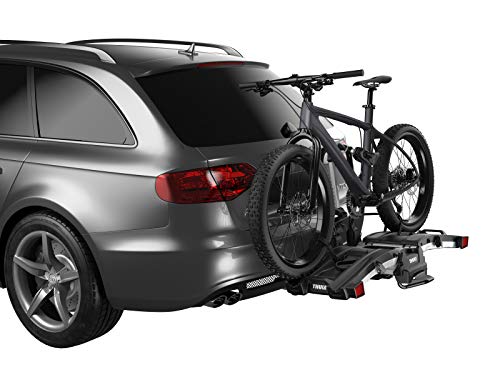
Premium, high-load capacity bike rack ideal for e-bikes and heavy mountain bikes.Distance between bikes : 9 inch. Max wheelbase : 1300 mm..Max wheelbase : 1300 mm.

KUAT NV 2.0 - 2" - 2-BIKE HITCH RACK (GRAY METALLIC/ORANGE ANODIZE) - It is a bike rack designed for vehicles with a 2-inch hitch receiver, offering a combination of strength and high-end features; at the core of the NV 2.0 is its robust construction, which provides the strength needed to securely transport even the heaviest bikes, including electric bikes (e-bikes); the 2-inch hitch receiver design allows for a stable and secure connection to your vehicle, reducing wobble and movement
Best Practices for Different Vehicle Types
No matter what vehicle we’re using, it’s essential to know the best way to transport our BMX bikes!
In Cars: Use a bike rack tailored for cars, and don’t forget to secure loose accessories. Wrap the bike in padding to avoid scratches.
In Trucks: Opt for truck bed bike racks, and remember to remove the front wheels if needed. Use heavy-duty straps to keep everything tight!
On Motorcycles: We should check legal regulations. Use rear-mounted carriers, and secure the bike firmly to prevent shifting.
In Vans/SUVs: Use interior mounts and always check those tie-downs!
On Public Transport****: Follow the rules and keep our bikes in designated areas. A protective bag can help keep things clean!
Recommended Products

BUILT FOR HEAVY EBIKES: LOAD, LOCK, AND GO - Carries 2 electric bikes up to 70 lbs each (140 lb total). The included telescoping ramp lets you roll your heavy e-bike straight onto the rack, no lifting! no second person! Integrated wheels make the rack easy to move and position on your own.

Versatile design fits nearly all styles of bikes up to 60 lbs each with zero frame contact
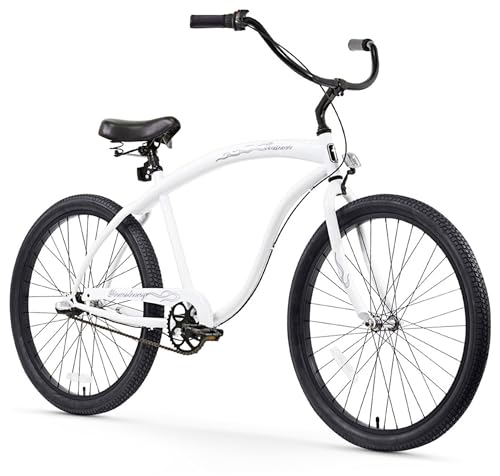
26" cruiser bike for men
Carrying Additional Tools and Spare Parts
When we’re hitting the trails or heading to a BMX event, it’s super important to have the right tools and spare parts with us. First off, let’s talk tools organization! We should pack essential items like Allen keys, a chain breaker, and tire levers. These can save the day during a ride.
For spare parts selection, don’t forget extra brake cable end caps, replacement axle nuts, and a spare tube. They’re lifesavers when we get a flat!
To keep everything neat, use labeled resealable bags for small parts and secure tools safely in a dedicated bike bag. This way, we can grab what we need quickly and stay focused on having fun. After all, the ride is what it’s all about!
Preventing Tire and Component Damage
After we’ve got our tools and spare parts sorted, it’s time to think about keeping our tires and bike components in tip-top shape during transport. To start, we should slightly deflate our tires to about 20-30 psi. This reduces the pressure and helps prevent pinch flats when we hit bumps. Next, let’s use padded covers or wheel bags to shield our tires from scratches and punctures.
Remember to secure loose parts and use zip ties or rubber bands for cables and brake levers. Padding materials, like foam or blankets, can protect sensitive components from bumps during transport. Finally, let’s always check our bike before heading out—ensuring everything’s in check keeps our ride smooth and damage-free!
Planning Your Route for Safe Transport
Planning our route for safely transporting our BMX bikes is crucial, and it can make a big difference in our overall experience! First, let’s focus on route selection. We should choose roads with low traffic volume and verify they’re well-lit, especially if we’re riding at night.
Next, let’s do a quick risk assessment. Picking paths with dedicated bike lanes and smooth surfaces helps keep us safe. It’s also smart to avoid complex intersections where things can get tricky!
Lastly, we should pack essentials like repair tools just in case. Keeping this in mind will help us have a fun and safe ride, so let’s hit the road with confidence! Safety first, always!
Frequently Asked Questions
Can I Transport My BMX Bike in the Rain?
Transporting our BMX bikes in the rain feels like dancing in a storm; we can keep the rhythm going with proper rain protection. A good bike cover will shield our ride and keep it dry.
What’s the Best Way to Clean My Bike Before Transport?
To clean our bikes before transport, we should gather cleaning supplies, like mild soap and brushes. Focus on the drivetrain and frame, ensuring everything’s dry and lubed for ideal bike maintenance during travel.
How Can I Protect My Bike’s Paint During Transport?
To protect our bike’s paint during transport, we should use a bike cover and add protective padding around vulnerable areas. This way, we can guarantee our ride stays scratch-free and looking great for every adventure.
Are There Weight Limits for BMX Bike Racks?
We’ve gotta remember that most racks have specific weight limits influenced by their capacities. Proper weight distribution guarantees stability, so let’s choose wisely to keep our rides safe and sound on the road.
Should I Inform My Insurance About Transporting My Bike?
Yes, we should definitely inform our insurance about transporting our bike. It guarantees we’re covered against bike theft and supports transportation safety, protecting our investment and peace of mind during our adventures.