As an Amazon Associate, we earn from qualifying purchases. Some links on this site are affiliate links at no extra cost to you. Our recommendations are based on thorough research and editorial judgment.
How To Prevent Wrist Injuries In Kids BMX?

To prevent wrist injuries in kids BMX, we’ve gotta make protective gear a top priority! Wrist braces help keep those fragile wrists safe during spills. Plus, supervision is key—having trained adults around can spot risky behaviors before they lead to falls. We should also teach proper falling techniques, like tucking and rolling. Finally, let’s make sure our bikes are well-maintained for safer rides. Stick around, and we’ll explore more tips to keep our rides fun and safe!
Key Takeaways
- Equip kids with wrist braces to prevent hyperextension and provide support during falls while riding BMX.
- Teach proper techniques, like the tuck and roll, to reduce the impact on wrists during falls.
- Reinforce avoiding bracing with hands during falls to minimize the risk of wrist injuries.
- Regularly inspect and maintain the BMX bike to ensure components are secure and functioning properly, reducing accidents.
- Incorporate strength and flexibility training to build overall muscle support and improve joint mobility around the wrists.
Importance of Protective Gear
You may be interested
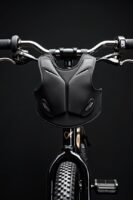

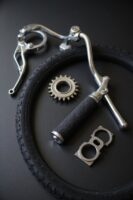
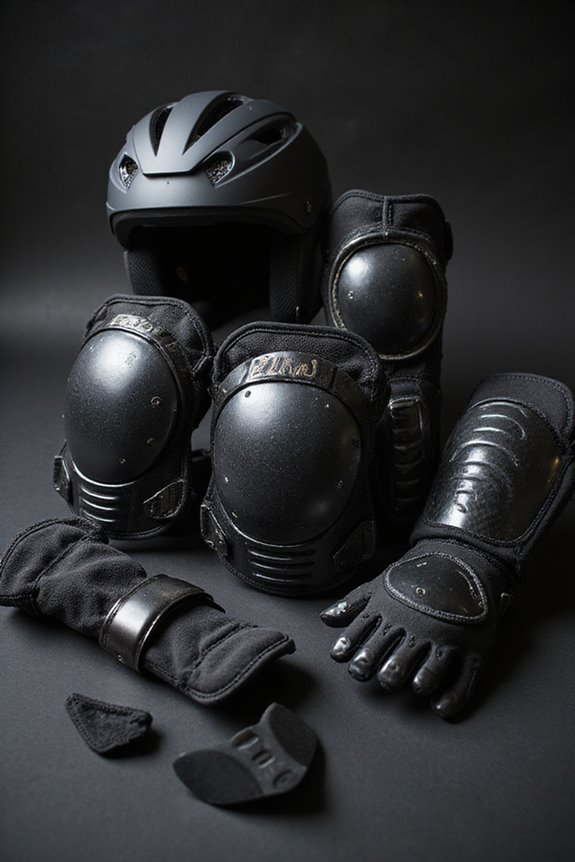
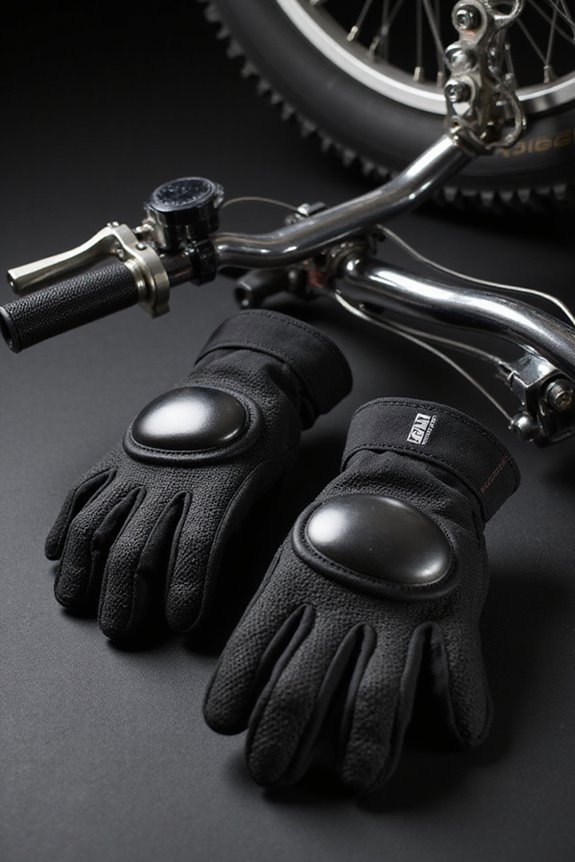
When we hit the BMX track, safety should always be a priority! One of the best ways to guarantee our kids’ protection is through proper protective gear. Wrist braces are a must, preventing hyperextension and supporting those fragile wrists during spills. Elbow pads help protect those joints around the wrist too, while gloves improve grip and offer just enough padding to lessen the impact.
Knee pads, though not wrist-specific, build confidence, and helmets keep their heads safe. Together, this gear plays a big role in injury prevention! High-quality materials are important too, keeping everything comfortable and easy to wash. Proper fitting of the gear is crucial for performance and safety. Let’s gear up and guarantee our little riders stay safe and have fun! Safety first, right?
Recommended Products

Stiff, matrix construction


KNEE AND ELBOW PAD SET: Competition quality knee and elbow pad set is perfect for skateboarding, biking, inline skating, and a variety of other sports
Role of Supervision in Injury Prevention
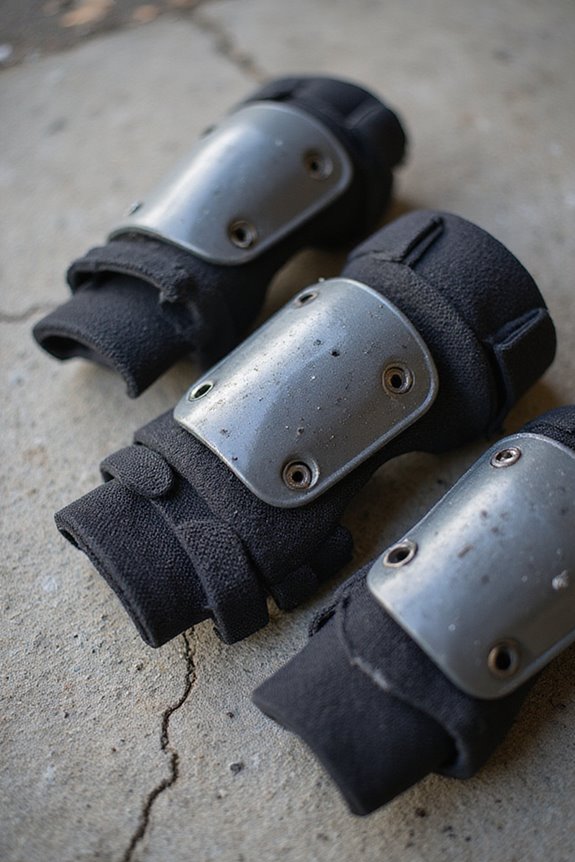
Just like wearing the right gear is super important for keeping our kids safe on the BMX track, having an attentive supervisor can make a world of difference in injury prevention!
The Power of Presence****
Continuous visual supervision helps us spot risky behaviors and hazards before they lead to accidents. Those trained in BMX safety can step in quickly, reducing the severity of wrist injuries. By monitoring the number of riders and scanning techniques, we can create a safer experience.
Knowledge is Key
Supervisors need to know common BMX injuries and track designs. Understanding age-appropriate challenges allows for tailored supervision. Additionally, it’s crucial for supervisors to be aware of safety standards and compliance to ensure a safe riding environment.
Communication Counts
We must set clear rules and boundaries to keep our kids safe. Using signals to alert riders can prevent dangerous moves! Together, we create a supportive environment focused on fun and safety!
Safe Riding Environments
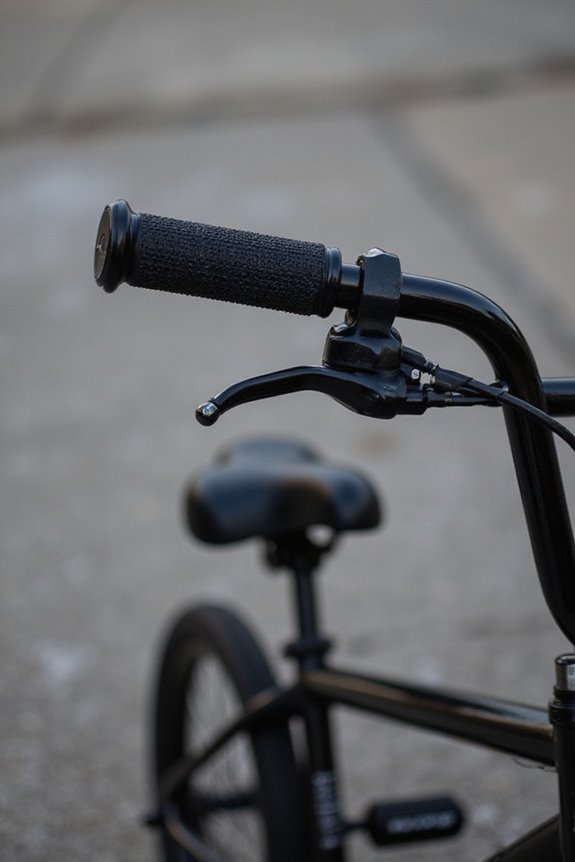
Creating a safe riding environment is key for our kids to enjoy BMX without the worry of injuries! We want to find smooth, well-maintained riding surfaces that are free from cracks and loose gravel. It’s important to steer clear of wet or uneven terrain, too, as these can lead to falls.
Opt for designated BMX parks—these spots are designed just for this, ensuring safety!
Traffic control is essential! Riding in off-street locations like bike parks keeps our kids away from busy roads. It also helps to choose areas separated from pedestrians and cars. Additionally, selecting trails that feature effective drainage systems can help prevent mud and water buildup, further ensuring a safer riding experience.
Recommended Products
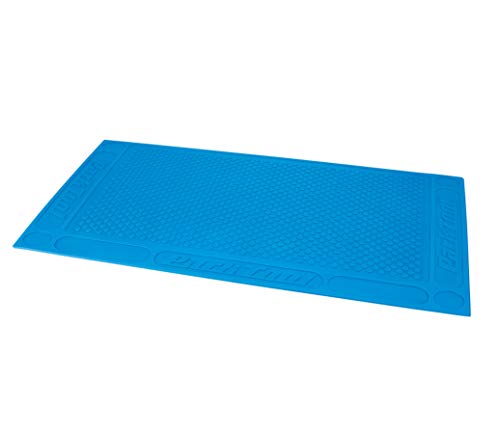
Measures 15" x 24.5" (38cm x 62cm)


Durable Materials: Crafted from foam and weather-resistant vinyl, the SE Bikes Wing Pad Set offers long-lasting protection and a sleek, stylish appearance for your BMX or mountain bike.
Equipment Maintenance and Safety Checks
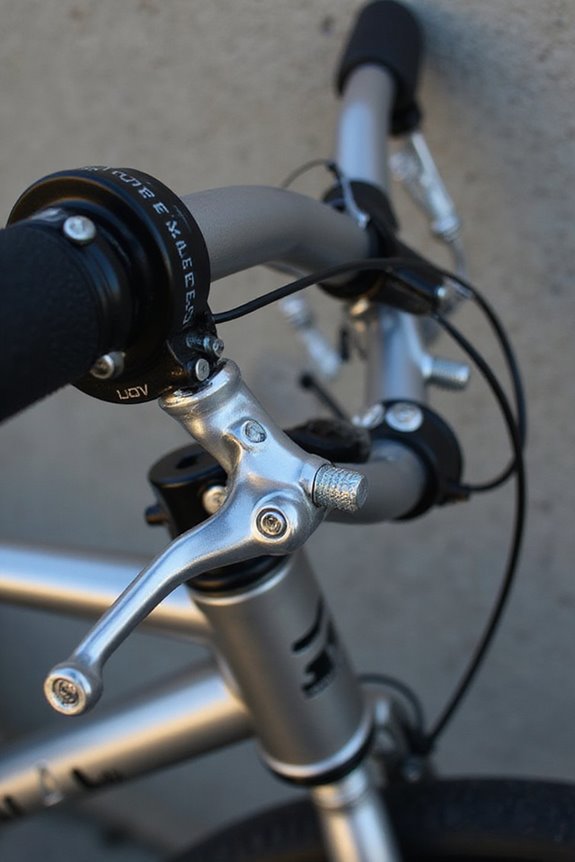
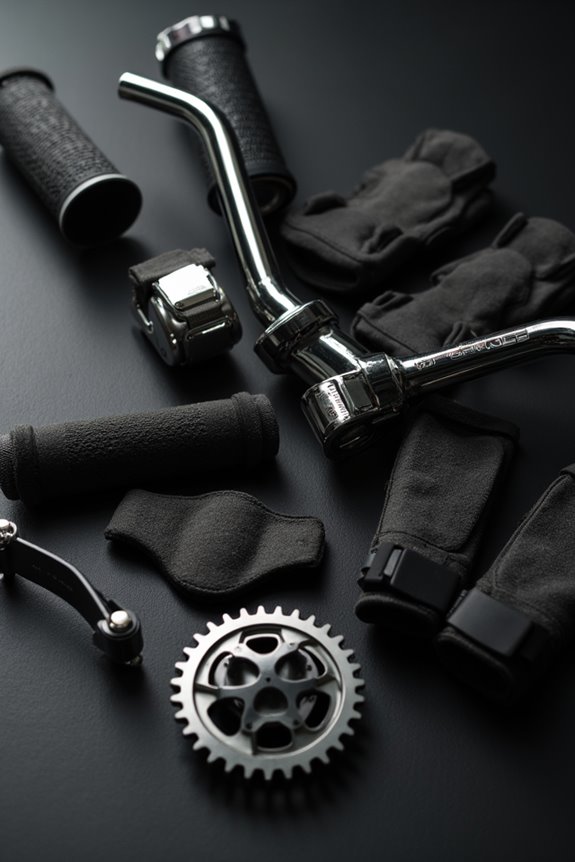
To keep our kids riding safely, we really need to focus on equipment maintenance and safety checks! Regular BMX bike inspections are key. Let’s check the handlebars, pedals, and crank arms for looseness or damage before each ride. We should also examine the frame for cracks and guarantee tires are in good shape with proper air pressure.
Chain maintenance is super important too. A clean, well-lubricated chain will prevent slips and keeps everything running smoothly. Tire checks help avoid flats, and don’t forget about bolt tightening! We need to tighten all bolts, like the seat post and handlebars, to prevent accidents. Additionally, it’s essential to ensure that the brake cables are regularly inspected for fraying or wear to maintain optimal braking performance.
Recommended Products
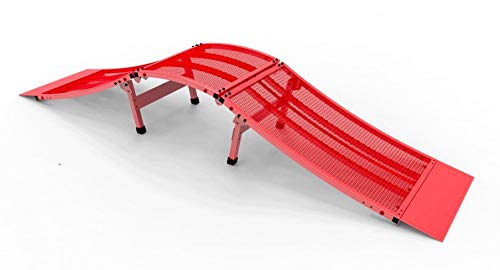
Includes 3 Pieces: 2 BMX Jump's & 1 BMX Roller.

Newest Complete Bicycle Tool Kit with Torque Wrench

Perfect for the Home Mechanic: The Super B 30 piece Bike Tool Kit includes everything you need to perform both major or delicate work. Designed for riders and home mechanics, this is an ideal and durable tool set containing a fantastic combination of tools todisassemble and install, adjust, maintain and other basic repair for your bikes.
Teaching Proper Falling Techniques
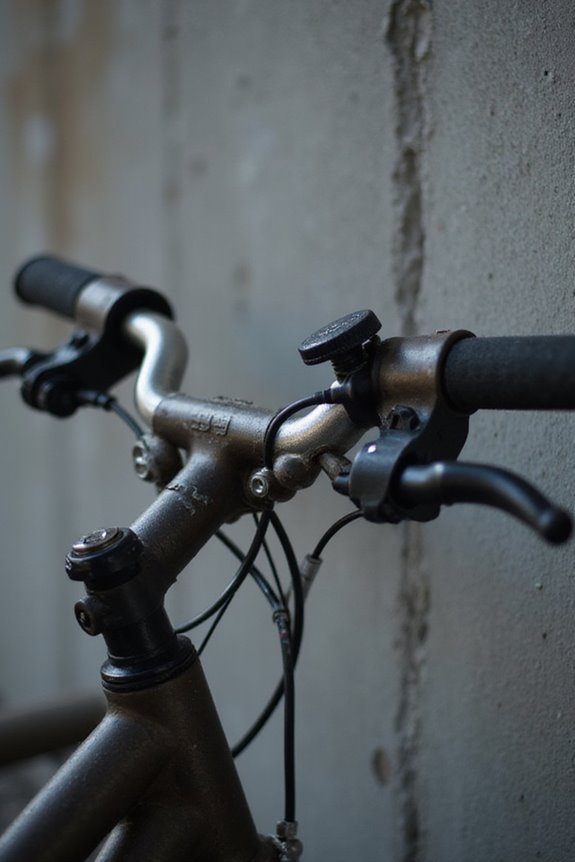
Roll with the Fall: Tuck and roll to lessen the impact.
Release the Bike: Let go to avoid potential injuries.
Avoid Bracing with Hands: This can lead to wrist injuries—ouch!
Land on Safe Areas: Soft ground is our friend!
Practice Falling: Regular practice builds confidence and reduces injury risk.
Additionally, wearing safety gear essentials like gloves can provide extra protection while practicing these techniques.
Let’s remember, every ride is a chance to improve! Practicing these techniques not only protects us but also helps build our confidence on the bike. So, let’s keep rolling safely!
Building Physical Conditioning for Riders
Building physical conditioning for our riders is key to staying safe and having fun on the BMX track! Let’s focus on several important areas:
Strength Training: We should do exercises like squats and deadlifts to build muscle power and endurance. Aim for 3 sets of 8-12 reps twice a week!
Core Conditioning: Planks and Russian twists help keep our core strong, making it easier to control our bikes.
Cardiovascular Training: Let’s include interval sprints to boost our stamina.
Plyometric Exercises: Box jumps can enhance our explosive power, helping with starts and jumps.
Flexibility Work: Dynamic stretches keep our bodies limber. Additionally, incorporating maintenance tips into our routine can help ensure that our bikes remain in optimal condition, which supports safer riding experiences.
Understanding Injury Statistics
BMX riding can be a thrilling sport, but it’s essential to recognize the numbers behind the fun! When we look at injury trends, we see that BMX injuries account for a staggering 41.9% to 74% of all bicycle injuries treated in hospitals. That’s a big share!
Statistical analysis reveals that around 254,000 kids get hurt in bicycle accidents each year, with BMX riders being a significant group. On average, we see about 19.4 injuries per 100 high school students annually. Serious injuries, like fractures, can occur in 3.2% of cases, reminding us all to take safety seriously! Let’s gear up and stay aware so we can enjoy the ride while keeping those wrists safe!
Community Education and Awareness Programs
Community education and awareness programs play an essential role in keeping our kids safe while they enjoy BMX riding. By fostering community involvement, we can create a supportive environment that emphasizes the importance of protective gear like wrist braces, gloves, and helmets.
We should utilize educational resources to teach proper riding techniques, like how to grip handlebars to reduce wrist strain. Workshops can demonstrate the right fit for protective gear, ensuring our kids are well-equipped.
Let’s also advocate for professional bike fitting so that we can help minimize wrist stress. By partnering with BMX parks and organizing clinics, we’ll share tips and knowledge, ensuring that every ride is a safe one! Together, we can make BMX riding a fun, injury-free experience!
Parental Involvement and Modeling Behavior
When it comes to keeping our kids safe while riding BMX, we can’t underestimate the power of parental influence! Our involvement matters. When we model safe behaviors—like wearing helmets, signaling turns, and avoiding risky routes—our kids are more likely to follow suit. That’s just how kids learn!
Parental support is key in safety communication too. We need to share clear, updated messages about safety rules. It’s important to take the time to talk with our kids and address any misunderstandings that might pop up as they grow.
Not only do our actions speak volumes, but so do our conversations. Let’s make those family rides a chance to reinforce safe habits while enjoying the ride together!
Gradual Skill Development and Training
As we plunge into the world of BMX, it’s super important to build our kids’ skills step by step. Starting with basic riding techniques allows them to develop balance and coordination safely. We should focus on skill assessments to track their progress, ensuring they master each level before moving on to jumps or tricks!
Practicing techniques like correct hand positioning and body posture helps prevent those pesky wrist injuries. Incorporating strength and flexibility exercises gives their joints a solid support system.
Recommended Products


Top grain leather skateboarding gloves with integrated wrist guards designed for maximum protection and support

ADVANCED IMPACT ABSORPTION: Features an innovative injection-molded shock-absorbing system designed to reduce impact forces and protect against injuries during high-performance riding
Frequently Asked Questions
Recommended Products

Contoured, Form-Fitting Design: Ergonomically shaped to cradle the knees or elbows for a secure, stay-put fit

Contoured form-fitting design cradles knees and elbows

The Retrospec Dakota helmet provides premium protection with hard ABS shell surrounding EPS foam to absorb shocks from biking, skating, scootering.
What Should I Do if My Child Gets a Wrist Injury?
If our child gets a wrist injury, let’s apply first aid immediately, using ice and immobilizing the wrist. We should monitor their recovery closely and seek medical help for any concerning symptoms.
How Can I Choose the Right Size Wrist Guards for My Child?
When it comes to choosing sizes for wrist guards, let’s measure carefully, ensuring our little ones have the right fit. Accurate wrist guard measurements can make all the difference in safety and comfort during their adventures.
Are There Specific BMX Maneuvers That Increase Wrist Injury Risk?
Yes, jump tricks and improper landing techniques considerably increase wrist injury risk. We need to focus on practicing safe landings and maintaining proper wrist angles to keep our wrists safe while having fun on the BMX.
What Age Is Appropriate for Kids to Start BMX Riding?
Starting our kids in BMX around age 5-6 works best for their youth experience. We’ll guarantee proper safety education and gear, helping them build confidence and skills while enjoying the ride together, safely!
How Often Should Protective Gear Be Replaced or Updated?
We should replace our protective gear every 3 to 5 years, regardless of visible damage. Regular inspections and good maintenance tips can help guarantee our gear remains safe and effective for all our adventures together.