As an Amazon Associate, we earn from qualifying purchases. Some links on this site are affiliate links at no extra cost to you. Our recommendations are based on thorough research and editorial judgment.

How To Measure For BMX Helmet Fit?

Measuring for the perfect BMX helmet fit is super important for safety and comfort! First, we’ll need a flexible tape measure or a string. Then, measure around the widest part of your head, about an inch above your eyebrows, making sure it’s snug but not too tight. Write down the measurement in both centimeters and inches. Now, let’s check how the helmet fits! A snug fit is key, and if it feels right, you’re on the right track! Want more tips?
Key Takeaways
- Use a flexible tape measure positioned about 1 inch above the eyebrows to measure head circumference at the widest part of the head.
- Ensure the tape measure fits snugly but not tightly, avoiding hair or hats for accurate readings.
- Record the measurement in both centimeters and inches for reference when selecting a helmet size.
- Check helmet fit by performing a shake test; it should remain stable without excessive movement.
- Adjust chin straps to form a “Y” shape under the ears for even pressure and a secure fit.
Understanding Head Circumference Measurement
You may be interested


When it comes to fitting a BMX helmet, measuring head circumference (HC) is super important! Accurate HC helps us find the right size, ensuring our safety while riding. If we’re not precise, we could end up with helmets that don’t fit properly, which isn’t safe at all.
The Importance of Accuracy****
So, let’s talk about common mistakes! One biggie is misplacing the tape measure; we’ve got to go all the way around the forehead and back. Leaving out hair or misaligning our heads can skew results.
Taking multiple measurements always helps, too—sometimes we need to take the average to get it just right. Remember, a snug fit means a better ride! Let’s get those measurements down for the best helmet fit! Additionally, ensuring proper fit is crucial for maintaining balance during tricks and overall riding enjoyment.
Tools Needed for Measuring

Now that we’ve nailed down how to measure head circumference, let’s look at the tools we’ll need for this task! First off, we’ll need some measuring tools. A flexible tape measure is perfect because it wraps around our heads easily. If we don’t have one, a piece of non-stretchy string or shoelace can work too!
To check our string measurement, a standard rigid tape measure or ruler will do the trick. Don’t forget a marker to note where the string overlaps! Finally, let’s grab helmet sizing charts that match our helmet brand. This way, we can find the perfect fit! Additionally, ensuring a proper fit is crucial for safety features to perform effectively while riding. With the right tools in hand, we’re one step closer to riding safely and confidently!
Recommended Products
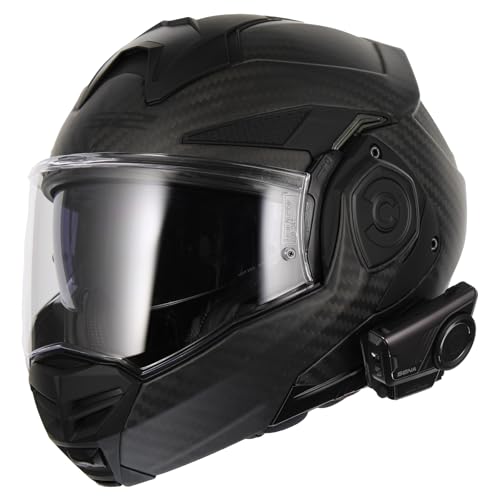
CARBON FIBER SHELL – Ultra-lightweight 9K carbon fiber construction including chin bar weighs only 1,470g (±50g); modular design with dual ECE certification for open and full face use

Meets or exceeds DOT FMVSS 218 and ECE 22.06. 1,600g, +/- 50g, Sizes XS-3XL. Made from High Performance Fiberglass Composite (HPFC). ECE "P" and "J" certified as both an open and full face helmet. Pinlock Insert included at no extra charge. This helmet runs small—please consider ordering at least 1 size larger than the sizing chart suggests for the best fit.

Ultra-lightweight 9K carbon fiber construction including chin bar - weighs only 1,470g (±50g). Meets DOT FMVSS 218 and ECE 22.06 standards. Dual ECE certification for open and full face use. This helmet runs small—please consider ordering at least 1 size larger than the sizing chart suggests for the best fit.
Step-by-Step Measurement Process
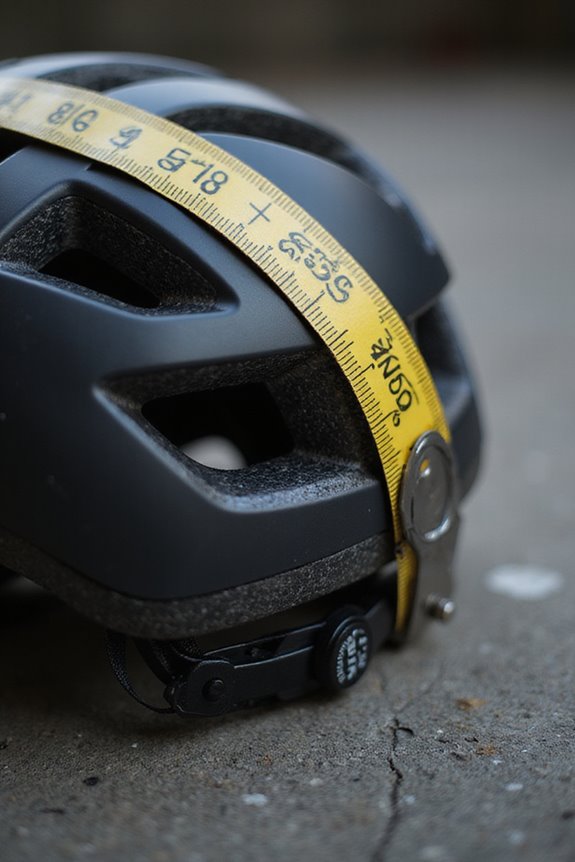
Let’s plunge into the step-by-step process of measuring for a BMX helmet fit! First, we’ll grab a measuring tape or string. Position it about 1 inch above our eyebrows and wrap it around the widest part of our head, guaranteeing it passes just above our ears. We need it snug but not tight to avoid messing up our measurement!
Next, we’ll mark the endpoint if using string and measure that length. Remember to record it in both centimeters and inches!
Make sure we’re measuring our bare head, no hats or hair, for accurate sizing. Let’s keep everything consistent to guarantee our helmet fits just right according to our unique head shape. Additionally, it’s crucial to select a helmet that meets safety certifications to ensure optimal protection. We’re almost there—let’s keep going!
Recommended Products

LIGHTWEIGHT FULL CARBON SHELL CONSTRUCTION AND INTEGRATED EJECT COMPATIBILITY - In case of a crash, this design lets first responders gently remove helmets from a rider's head, reducing the potential for secondary injuries.

FUSION POLYCARBONATE SHELL AND PROGRESSIVE LAYERING - A process pioneered by Bell bonds the helmet's outer shell to the EPS foam liner to create a sturdier helmet. The process of engineering a helmet liner with variable EPS foam densities to better manage the transfer of energies after some impacts.

FIBERGLASS SHELL AND MIPS-EQUIPPED - MIPS stands for Multi-directional Impact Protection System, which is a leading slip-plane technology inside the helmet designed to reduce rotational forces that can result from certain impacts.
Utilizing Helmet Sizing Charts
Utilizing Helmet Sizing Charts
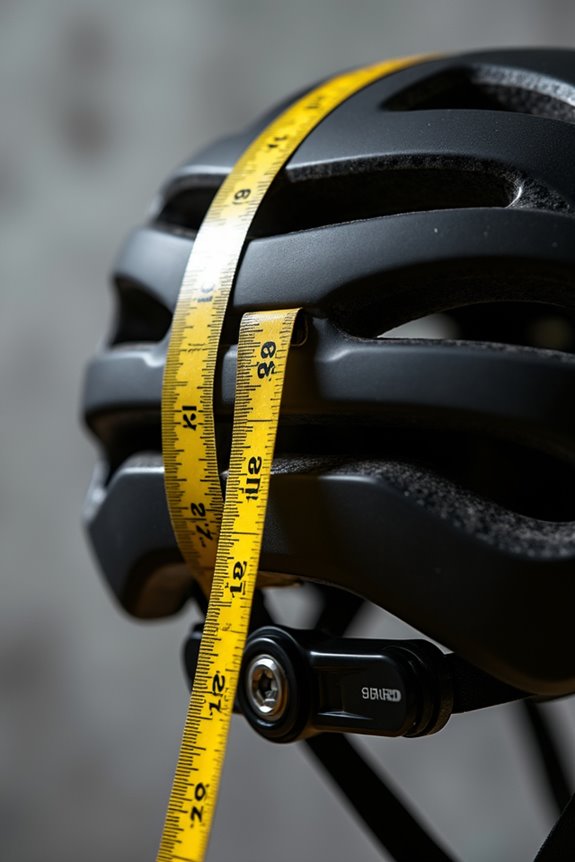
Using a helmet sizing chart can feel a bit overwhelming at first, but it’s a great way to guarantee we get the right fit! These charts show helmet size variations based on head circumference, and sometimes even hat sizes. Remember to measure 1 inch above your eyebrows for accuracy!
When comparing our measurements to the chart, we might find that certain brands offer fit customization options like interchangeable cheek pads. If we’re near the upper limit of a size, it’s usually better to opt for the larger size. Each helmet model can have unique sizing rules, so it’s always a smart move to check the brand-specific chart! Additionally, it’s important to consider age suitability and rider height as they are crucial for selecting a properly fitting helmet.
In short, sizing charts are our friends in finding a comfortable helmet that fits just right!
Recommended Products

Complete Roman Armor Outfits By NauticalMart - Your next Halloween Costume

Shell Material: unidirectional carbon

Designed for maximum aerodynamics and ventilation with huge airflow ports for tri and TT. Magnetic vent cover and visors included. Light weight with great fit.
Assessing Helmet Fit for Comfort and Security
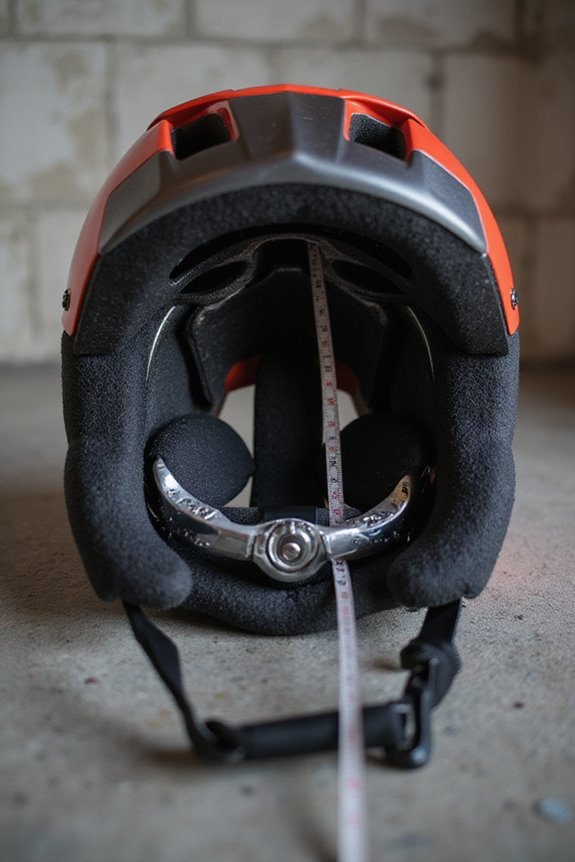
Evaluating helmet fit is all about finding that sweet spot between comfort and security! We want our helmet snug but not too tight. A loose helmet won’t keep us safe. Let’s remember to check stability with our shake test—if it moves around, we need some helmet stabilization techniques.
Next, let’s focus on secure strap adjustments. The chin strap should fit snugly but still let us breathe easy—try slipping in a finger! Straps should also form a “Y” shape under our ears for even pressure. Adjusting the front and rear straps will help prevent any tilt, making our ride more comfortable. Don’t forget to explore different pad thicknesses for that perfect, customized fit! Additionally, ensuring a DOT-certified helmet will provide the necessary protection while you ride. Happy riding!
Recommended Products


SAFE & SECURE - With its hard shell and massive storage design, this bike travel case ensures you can take your beloved bike anywhere in the world securely and easily, just like a pro. Easy to pack and assemble, making travelling simple! TSA lock included.

SPHERICAL TECHNOLOGY, POWERED BY MIPS - Spherical Technology's ball-and-socket design, powered by Mips, helps redirect impact forces away from the brain by allowing the outer liner to rotate around the inner liner during a crash. It also eliminates contact with hard plastic or slip-planes against the skin.
Ensuring Proper Helmet Positioning
When it comes to ensuring our BMX helmet sits just right, we need to pay attention to a few key details! First, let’s make sure it’s level on our heads—about one to two finger-widths above our eyebrows. This keeps our vision clear and protects our foreheads!
Next, we must use proper helmet adjustment techniques. The side straps should form a “V” beneath our ears, ensuring a snug fit. The chin strap? It should be tight enough for security but let a couple of fingers fit underneath.
Lastly, let’s check the back retention system for snugness without pressure points. Remember, proper sizing isn’t just for comfort; it’s essential for safety too! Additionally, having high optical clarity in the goggles complements helmet fit by enhancing visibility while riding.
Additional Considerations for Fit
So, while we focus on finding the right fit for our BMX helmets, let’s not forget some important factors!
Shape Compatibility
Different brands have unique helmet shapes. For example, Italian brands can be narrower, while American ones are often rounder. Finding a helmet that matches our head shape is super important for comfort and stability.
Retention Systems
The right retention system helps keep our helmets snug. Look for those with a ratchet or dial mechanism that tightens securely around the back and sides. Our chin straps should form a nice “V” shape under our ears, allowing just two fingers to fit snugly.
When all these factors align, we’re on our way to riding safely and comfortably!
Tips for Measuring at Home
Getting the right fit for your BMX helmet starts with a few simple measurements at home! To guarantee measurement accuracy, we should use a soft measuring tape or string, wrapping it snugly around our heads about an inch above our eyebrows. We can also check with a friend to help keep that tape in place.
Let’s remember to take multiple measurements to double-check our results, and jot down the numbers in centimeters or inches. Don’t forget to use the right sizing chart for the helmet brand we’re considering—sizes can vary!
If we land between two sizes, it’s often best to go with the larger one for added comfort. Happy measuring, everyone!
Recommended Products
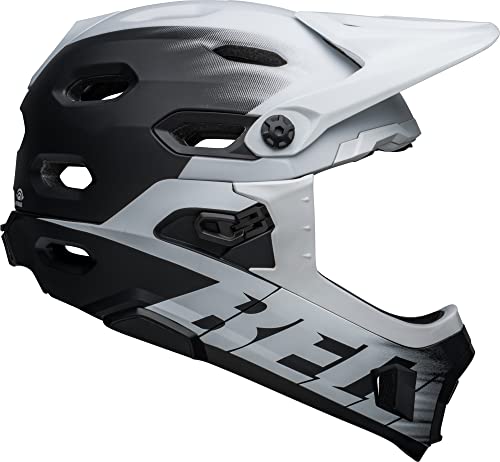
Construction: Fusion In-Mold Polycarbonate Shell, Progressive Layering
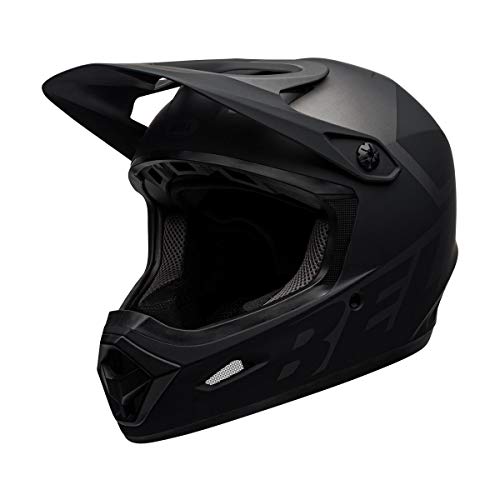
OVERBROW VENTILATION - It features intake ports on the brow of the helmet to usher in cool air and push it through the air-channel matrix for full-head ventilation.

Dual-certified helmet designed specifically for roller derby, with visor made of CE-certified impact-resistant polycarbonate with anti-scratch and anti-fog coatings
Frequently Asked Questions
How Often Should I Measure My Head for Helmet Fitting?
We should measure our heads regularly—every 6 months for kids and at least every 1-2 years for adults. Regular checks help guarantee measurement accuracy, keeping our helmets snug and comfortable for safe rides.
Can I Use a Regular Tape Measure Instead of a Flexible One?
While it might seem tempting, we can’t use a regular tape measure for accuracy; flexible ones hug our heads perfectly. Let’s embrace proper measuring techniques, ensuring our helmets fit snugly and safely. Safety’s too important!
What Should I Do if I Have a Unique Head Shape?
If we’ve got unique head shapes, let’s explore custom fit services and unique headgear options. It’s essential to find brands that cater to our needs, ensuring comfort and safety while we ride.
Are There Specific Brands Known for Better Comfort?
Did you know 70% of riders prefer 100% and Bell for comfort? With their amazing padding and adaptable sizing variations, these comfort brands really help us enjoy longer, more enjoyable rides without sacrificing fit or stability.
Can I Return a Helmet if It Doesn’t Fit Properly?
Yes, we can return a helmet if it doesn’t fit properly, as long as it follows the return policy. Many retailers allow exchanges, so we have options to guarantee the perfect fit for our safety.