As an Amazon Associate, we earn from qualifying purchases. Some links on this site are affiliate links at no extra cost to you. Our recommendations are based on thorough research and editorial judgment.

How To Track A Child’s Progress In BMX?

To track your child’s progress in BMX, we’ve got to look at a few key areas! First, we’ll measure skill metrics like power output and technical abilities through drills. Then, we can analyze race performance, noting times and peak power. We should also monitor physical fitness with heart rates and strength assessments. Finally, let’s check that safety gear is used properly. Exciting, right? Stick around—there’s more info on how to make this tracking fun and effective!
Key Takeaways
- Establish skill assessment metrics that measure power output, technical skills, and movement literacy for comprehensive tracking.
- Analyze race performance using times and power outputs to gauge improvements and motivate engagement.
- Develop technical skills with drills focusing on balance, cornering, pedal modulation, and explosive sprints for skill enhancement.
- Monitor physical fitness through heart rate and strength assessments, adjusting training based on recovery and fatigue management.
- Regularly evaluate equipment and safety gear usage to ensure proper protective measures are in place for safe riding.
Establishing Skill Assessment Metrics
You may be interested


When we immerse ourselves in BMX, it’s super important to have solid ways to measure our skill levels. By establishing skill metrics, we can better track progress and identify areas for improvement!
Key Assessment Methods:
- Power Output: Tests like the Wingate help us gauge peak and mean power, essential for performance.
- Technical Skills: Observing our reaction times and pedal strokes gives us insights into our starts.
- Movement Literacy: This covers how well we handle the bike during jumps and tricks.
- Agility Skills: Skills like braking control and weight transfers show how we maneuver through obstacles.
Additionally, practicing techniques with BMX Finger Bikes can enhance our trick execution and coordination. Using these assessment methods, we can truly see our growth and celebrate our achievements in BMX! Keep pedaling!
Analyzing Race Performance and Participation
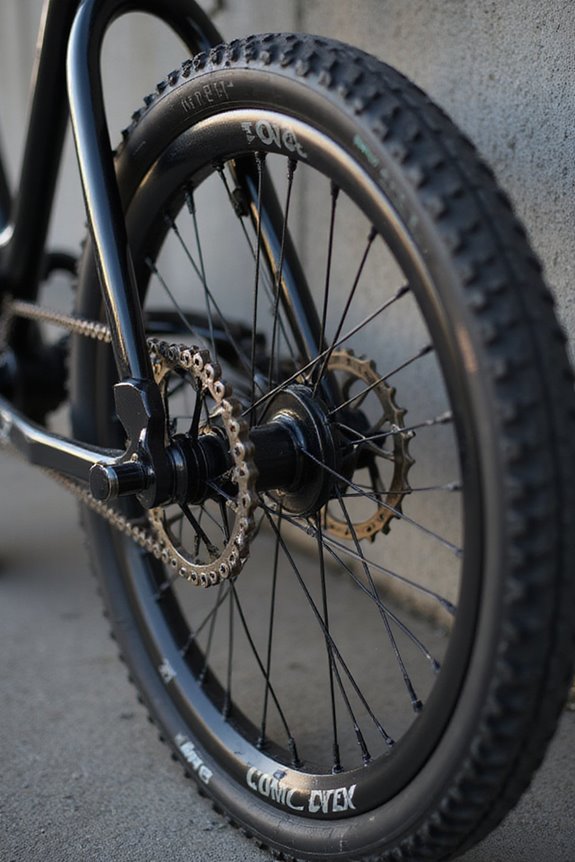
Analyzing race performance and participation in BMX gives us a clearer picture of how we’re doing on the track. By looking at our race times and power output, we can see where we excel and where we need to improve.
Key factors such as motivation and enjoyment play a big role in keeping our kids engaged. Let’s remember that having fun should be the top focus early on!
As they grow, we can shift to serious training while still mixing in fun. Monitoring peak power during sprints helps optimize gearing, ensuring they get the most from each race start. Plus, positive experiences on the track build confidence and keep motivation high. Let’s cheer them on and track their progress together! Additionally, ensuring their safety with high-quality gear, such as back protectors with customizable support, can enhance their performance and confidence on the bike.
Recommended Products

Developed in three waist-to-shoulder dimensions in order to cover all body sizes

Replacement Cover

Lightest CE Level 2 Chest Protector in its class
Developing Technical Skills Through Drills

Developing technical skills in BMX can really take our riders to the next level! Let’s plunge into some fun drills to boost skills and confidence.
Balance Drills: We can set up circles with cones to practice riding inside and outside, switching directions to enhance our balance.
Cornering Techniques: Focusing on looking through turns while leaning can help our kids master those tricky corners!
Pedal Modulation: Applying consistent pressure on pedals and brakes teaches speed control and helps with handling coordination.
Explosive Sprints: Using gate starts and short sprints gives our riders that burst of power they need during races. Additionally, practicing basic tricks will build their confidence and foundation for more advanced maneuvers.
Let’s encourage our kids to work on these drills. They’ll be soaring through the track in no time!
Recommended Products

Heavier, Thicker, Stronger: Finally, heavier, thicker, and stronger agility cones that won't tip over or slide around. LVL10 Sports Pro practice cones are made of thick and flexible PVC vinyl that's 200% thicker than flimsy, brittle, and small plastic cones from the competition.
![BATTIFE [4 Pack] 28 Inch Collapsible Traffic Safety Orange Cones with Black Weighted Base, Multi Purpose Pop-up Cones and Reflective Collar, for Road Parking, Driving Practice.](https://m.media-amazon.com/images/I/41wtbjfb+1L._SL500_.jpg)
Black Weighted Base: Collapsible traffic cones stand 28 inches tall and feature a heavy-duty black base. The large base size of collapsible traffic cones is 13 " X 13 " and the weight of each road cone is 3 lb.It also stays stable in harsh weather conditions such as high winds, heat, and sunlight. Making people and cars cannot knock down the traffic cones easily

Flexible & Resilient PVC: Crafted from tough, flexible PVC plastic sports cones, these soccer cones for training are designed to endure heavy use, making them perfect for rigorous sports and training sessions
Monitoring Physical Fitness and Conditioning
Let’s leap into how we can keep tabs on our kids’ fitness and conditioning in BMX!
Heart Rate Monitoring
Check their heart rate during rides to see how their body responds to the effort.
Measuring Muscular Strength
We can assess their leg power with bunny hops and hill climbs. This shows both strength and stamina!
Fatigue Management and Recovery Efficiency
Track how quickly they recover after sprints or tough workouts. Noticing when they start feeling tired can help manage training better.
Overall Progress
Let’s document improvements! We should record times, sprint counts, and lap increases. This way, we can celebrate their growth in fitness and confidence as they tackle new challenges! Additionally, monitoring their performance on different 20-inch BMX bikes can provide insights into how equipment affects their riding efficiency.
Keeping an eye on these areas helps our kids thrive in BMX!
Recommended Products

Accurate Pediatric Pulse Oximeter for Children: Kids Pulse Oximeter Continuously monitors SpO2 (70-100%, ±1%) and Heart Rate (25-250 bpm, ±1 bpm).Continuous Oxygen Kids provides reliable fingertip oxygen and pulse monitoring for kids.

Precise Performance: Provides accurate real-time heart rate data to enhance training efficiency and support optimal performance.

Kids spend less time charging and more time moving with up to 8 days of battery (varies with use and other factors)
Evaluating Equipment and Safety Gear Usage
When it comes to BMX, making sure our kids have the right gear is super important! Safety gear isn’t just an accessory; it’s crucial for their protection. We need to check if their helmets meet safety standards like CPSC or ASTM. Regular helmet maintenance is key—look for cracks or damages. A snug fit is essential too!
Don’t forget the other gear! Long sleeves, knee and elbow pads, and gloves are must-haves to prevent injuries. Proper footwear, like flat-soled sneakers, helps with control. Additionally, investing in high-quality chest protectors can significantly enhance their safety while riding.
Let’s encourage them to wear all this gear consistently. It’s not just about looking cool, but staying safe! Tracking how often they use their safety gear shows their commitment to riding responsibly. Let’s keep our young riders safe on those BMX tracks!
Recommended Products
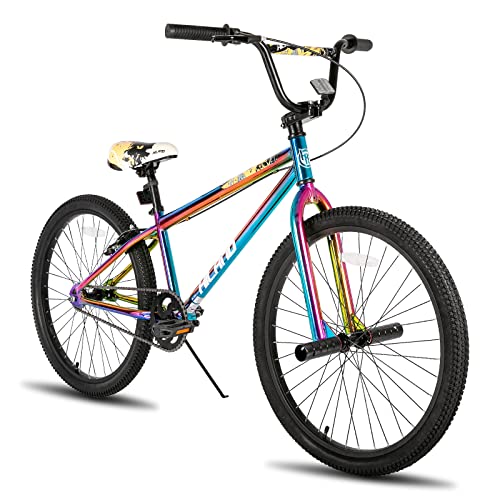
Beginner Choose: Built with a durable high carbon steel frame designed to withstand the rigours of urban and stunt riding; Redeem 2.0+ is a full freestyle BMX bike for park, street or dirt

𝗦𝗽𝗼𝗿𝘁𝘆 𝗗𝗲𝘀𝗶𝗴𝗻. RoyalBaby Freestyle was designed by inspiration from the BMX spirit. It's all about fun, creativity, freedom, and friends. The sporty-looking is perfect for the next cycling star
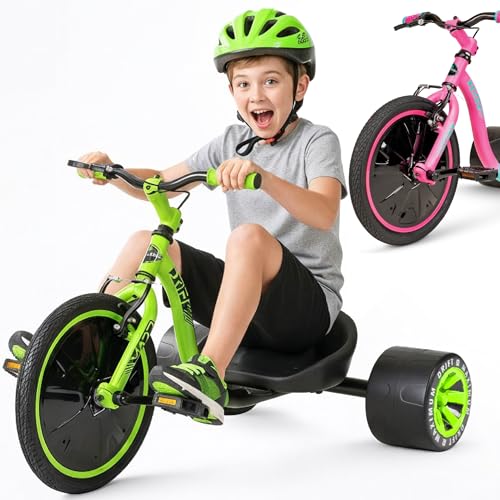
SLIDE, DRIFT & SPIN ACTION – Designed with a 16” BMX-style front wheel and rear slick drift wheels that allow kids to slide, spin, and drift with control and stability.
Frequently Asked Questions
How Often Should Skill Assessments Be Conducted for My Child?
Aren’t we all enthusiastic to see our child’s growth? For effective development tracking, we recommend skill assessments every few months for lower levels, shifting to annual evaluations as they advance, ensuring their progress remains vibrant.
What Age Is Appropriate to Start BMX Training for Children?
We recommend starting BMX training around age 5 or 6, as it offers amazing benefits for balance and coordination. Early involvement enhances fitness, confidence, and social skills, setting a joyful foundation for their cycling journey.
How Can I Motivate My Child to Improve in BMX?
We can motivate our child by celebrating small BMX challenges, like mastering a bunny hop. Using encouragement techniques, such as cheering them on and acknowledging their efforts, fosters confidence and helps them embrace their journey joyfully.
What Common Setbacks Should I Expect During My Child’s BMX Journey?
We should expect setbacks like bumper crashes and fear management challenges during our child’s BMX journey. Embracing these moments together can help them build resilience and maintain motivation, fostering a love for the sport.
How Can I Support My Child Emotionally in Competitive BMX Racing?
We’ve gotta shower our kids with emotional support, nurturing their competitive mindset while they race. Let’s celebrate every little victory, embrace setbacks together, and remind them that joy and resilience are what truly matter in BMX.