As an Amazon Associate, we earn from qualifying purchases. Some links on this site are affiliate links at no extra cost to you. Our recommendations are based on thorough research and editorial judgment.
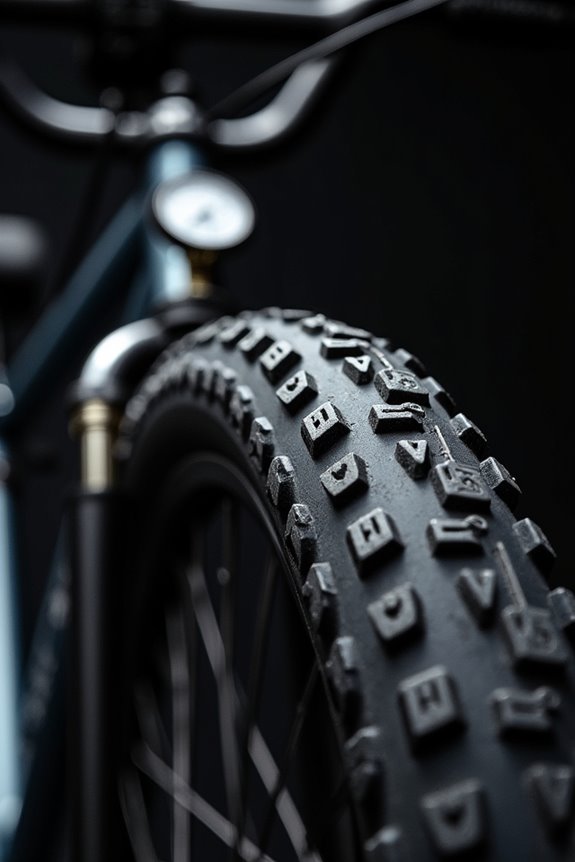
How To Set Tyre Pressure For BMX Race Corners?

Setting tire pressure for BMX race corners is all about balance! We want a sweet spot between grip and speed, usually around 35 to 100 PSI. Heavier riders might pump it up a bit, while rougher tracks favor lower pressure for better shock absorption. Regular checks are a must to avoid blowouts! Keeping an eye on weather conditions helps too! 🎉 If we tweak our approach just right, we’ll get that perfect cornering technique down!
Key Takeaways
- Adjust tire pressure according to rider weight, with heavier riders generally needing higher PSI for optimal cornering performance.
- Lower pressures increase the contact patch size, enhancing grip and traction in tight corners for better maneuverability.
- Monitor track surface conditions; rough terrains may require lower pressures while smoother tracks can benefit from higher tire inflation.
- Regularly check tire and rim condition; overinflation increases the risk of blowouts, compromising safety and performance during sharp cornering.
- Experiment with personal tire pressure settings within the 35 to 100 PSI range to find the best balance between speed and control.
Understanding BMX Tire Pressure Basics
You may be interested


When it comes to BMX racing, knowing how to set tire pressure can make a huge difference. We need to understand the basics of tire inflation. BMX tires come in two main types: low-pressure and high-pressure. Low-pressure tires feel soft and provide great grip but can be slower. High-pressure tires, on the other hand, are firmer, giving us speed but less shock absorption.
To make the most of our rides, we should pay attention to those numbers on the tire sidewalls. Regular pressure maintenance is key! It’s important to adjust pressure based on our riding style and track conditions. Remember, a little tweak here and there can really change how our bike handles. Additionally, evaluating brake type can also influence overall bike performance. Let’s keep our rides smooth and safe!
The Importance of Tire Pressure in Racing

Tire pressure matters a lot in BMX racing! Getting it right is essential for our racing dynamics. If we run our tires too low, we gain grip but risk increased rolling resistance. Conversely, too much pressure can lead to loss of control when we’re cornering sharply. We want that sweet spot—usually between 70-100 PSI—where we maximize speed while keeping our grip strong!
Plus, proper tire pressure helps us handle vibrations from the track better, making our ride more comfortable and reducing fatigue. Let’s not forget, fine-tuning our pressure can prevent pesky punctures, keeping us safe on the track. Additionally, maintaining the correct psi around 35-40 PSI enhances puncture resistance and tire durability. So, next time we’re at the starting line, let’s remember that the right tire pressure can be the difference between winning and just riding!
Factors Influencing Optimal Tire Pressure

Understanding the factors that influence ideal tire pressure is vital to getting our BMX game on point! Let’s explore a few important ones:
Rider Weight and Distribution
Heavier riders need higher tire pressure to prevent tire squish. We often run our rear tires 2-4 PSI higher for better stability.
Tire Construction and Type
Low-pressure tires feel cushy but might puncture easier. Stick to higher pressures for speed on solid tracks!
Track Surface and Terrain
Smooth tracks call for higher pressure, while rough terrains benefit from lower pressures to adapt and grip well.
Riding Style Adaptation
Adjusting for our cornering style is essential! A slight decrease in pressure can improve grip, but we’ve gotta be careful of tire squirm. Additionally, maintaining proper spoke tension is crucial for overall bike performance and stability during rides.
Balancing these factors leads to effective tire pressure optimization!
Recommended Products


CLOLOP Bike Floor Pump with Gauge,pump head fits both Shrader and Presta valves.
Recommended Tire Pressure Ranges for Different Disciplines
When it comes to flatland, we often opt for 80-110 PSI to keep our tricks crisp and precise. Dirt jump tires sit between 75-85 PSI for that sweet spot of firmness and shock absorption. Each discipline has its tire pressure extremes, and these discipline comparisons help us choose wisely to conquer any terrain! Let’s keep rolling smoothly! Additionally, choosing the right tire pressure is critical for optimizing the overall riding experience, ensuring that performance is maximized on various surfaces.
Recommended Products

With 2.40 "the tire is really fat, so just when driving street or park the shocks when jumping are optimally damped. The surface is slightly diamond to have an optimal grip...
How Rider Weight Affects Tire Pressure Choices
As we plunge into how rider weight plays a big role in our tire pressure choices, it’s important to remember that every rider’s needs are a bit different! Heavier riders typically require higher tire pressures to avoid excessive tire deformation, which can lead to pinch flats and decreased speed. On the flip side, lighter riders can enjoy lower pressures for better grip and shock absorption.
We should also keep in mind our rider biomechanics. If we adjust our tire pressure based on our weight, we can maintain a consistent contact patch during cornering. This helps guarantee solid traction! Additionally, the recommended 20-inch wheel size balances agility and speed, making it ideal for various rider weights. So, let’s experiment with small pressure changes to find that sweet spot that suits our riding style and weight, keeping us safe and speedy on those curves!
The Role of Tire Width in Pressure Settings
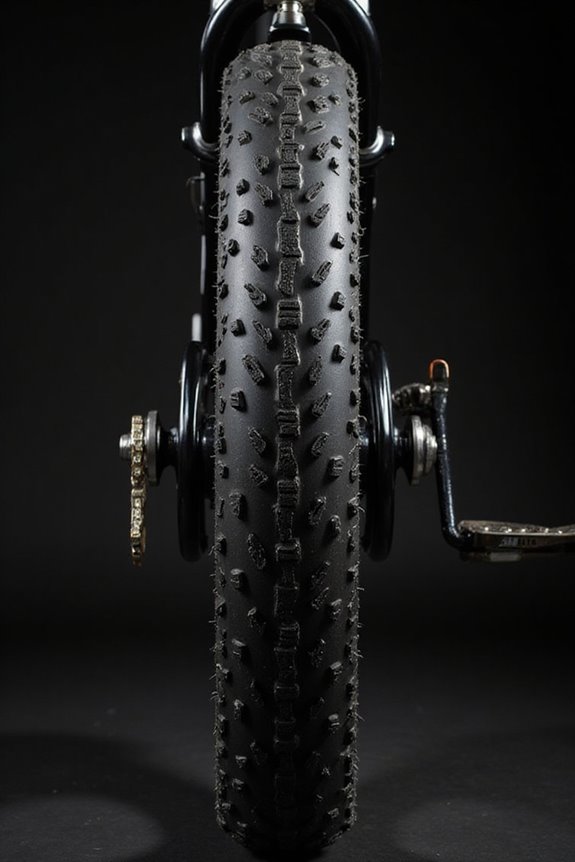
Tire width plays a crucial role in how we set our pressure! When we opt for wider BMX tires, like those around 2.4″ to 2.5″, we can run lower PSI, usually between 35-40, while still keeping stability and comfort. These wider tires give us a bigger contact patch, which helps with grip in those tight corners.
On the flip side, narrower tires, like 1.75″ to 2.00″, need higher PSI—anywhere from 60-100—to avoid pinch flats. While they can go faster on smooth tracks, they sacrifice some cushioning and grip when we hit rough spots. Additionally, the wheel size we choose can significantly impact our riding experience, influencing both speed and control on various terrains.
Adjusting Tire Pressure Based on Track Surface
Adjusting our tire pressure based on the track surface is super important for getting the most out of our BMX rides! On hard-packed dirt, we can run higher tire pressures, like 80-100 PSI. This reduces rolling resistance and keeps our speed up. But when we hit loose dirt, we should drop that down to around 40-70 PSI to improve grip. Lower pressure increases our tire’s contact patch, enhancing cornering dynamics.
For mixed surfaces, balancing tire pressure is key. High pressure works for fast asphalt stretches, while lower pressure helps in dirt corners. We can tweak our settings depending on the surface we’re tackling. So, let’s experiment with these tire pressure adjustments to find our perfect ride!
Recommended Products

Advanced Digital Pressure Display – LED screen shows real-time air pressure and battery level for accurate inflation every time

With the RDS, riding is no longer restricted to pavement only. Enjoy the off-road adventure with this rugged scooter made for riding on dirt!

【High Performance】Rebound adjust makes the shock absorption effect of air fork the best, 28.6mm threadless straight steerer ,crown lockout; travel:120mm; QR:9 mm *135 mm,Brake type: Disc brakes.The ZTZ air suspension fork offers exceptional performance for a smooth and controlled ride.
Impact of Weather Conditions on Tire Pressure
When we hit the track, weather conditions can play a big role in how our tires perform. Temperature fluctuations can drastically change our PSI—just a drop of 40°F can drop pressure by 5 PSI! During wet conditions, we should lower tire pressure by about 10% to improve grip on slick surfaces. Humidity effects can also impact pressure stability, so regular pressure monitoring is key. Plus, if we’re racing at higher altitudes, we might need to reduce PSI to keep that performance stability we crave. Seasonal changes require us to adjust our pressure frequently, especially as summer heat expands air inside our tires. Let’s keep these tips in mind for the best grip improvement and overall control on race day!
Practical Methods to Check and Adjust Tire Pressure
Checking and adjusting our BMX tire pressure doesn’t have to be a hassle! First, we can use tire pressure tools like a gauge that’s compatible with our valves. Just remove the valve cap, press the gauge firmly, and check the reading. We then pump air until we hit that sweet PSI range, usually between 70-110 for corners.
If we don’t have a gauge, let’s do a manual pressure check! We can squeeze the sidewalls; if they resist compression but still have some give, we’re on the right track. Plus, if the tire sticks out more than a millimeter from the rim, it might be under-inflated. Regular checks help keep our rides safe and fun! Let’s stay ahead of those slow leaks!
Recommended Products

International products have separate terms, are sold from abroad and may differ from local products, including fit, age ratings, and language of product, labeling or instructions.
International products have separate terms, are sold from abroad and may differ from local products, including fit, age ratings, and language of product, labeling or instructions.

This digital air gauge is performance tested and includes a protective, shock-resistant bumper and hard carrying case for longer life
Effects of Tire Pressure on Cornering Performance
Understanding how tire pressure affects cornering can really elevate our BMX racing game! When we adjust our tire pressure, we’re directly impacting our grip and stability. Lower pressures expand our contact patch, enhancing traction during those tight corners. However, if we go too low, we risk tire squirm, which can mess with our cornering techniques.
On the flip side, higher pressures keep our tires rigid, which might feel faster on straights but can lose grip when we lean into corners. Our goal is to find that sweet spot—enough flex for grip while minimizing rolling resistance. Remember, ideal pressures typically range from 35 to 100 PSI, depending on the surface, so let’s tune our tires to match the track conditions for the best performance!
Recommended Products

[500% FASTER INFLATION] ForcePro portable air compressor for car tires, providing a massive 150psi pressure and 40L/min airflow, inflate your 195/55/R15 (29-36 PSI) tire in just 30 seconds! -5 times faster than ordinary cordless inflators! Features Inflation accuracy up to 0.5 PSI Designed for high efficiency.Ideal for car, bike, and motorcycle tires.

Universal: Inflate bicycle or car tyres, air mattresses, balls, boats and more with the floor pump

【Fix Common Bike Problems Quickly】Don't let a broken bike ruin your ride. Our basic bicycle repair kit bag equips you to tackle most common issues efficiently, ensuring you can swiftly address any unexpected mechanical hiccups and get back on the road with minimal downtime.
Safety Considerations for High-Pressure Tires
High-pressure tires can seriously amp up our BMX racing experience, but they come with a set of safety considerations we can’t ignore. First off, tire blowouts can happen if we overinflate beyond the max PSI on the sidewall. It’s essential to handle pressure monitoring carefully, especially for single-ply tires—too much pressure can lead to tire brittleness and structural integrity issues.
Next, high-pressure tires provide less shock absorption, which can lead to harsh impacts with the terrain. Remember, this can increase rider fatigue and decrease control! Regularly check our rims for wear, and use a reliable gauge to stay within safe limits. Let’s prioritize rider safety and strike that balance between speed and control!
Frequently Asked Questions
Can I Use the Same PSI for Front and Rear Tires?
We can use the same PSI for front and rear tires, but it’s often better to take into account their differences. Adjusting tire pressure comparison lets us enhance grip and control where it matters most.
How Often Should I Check My Tire Pressure?
As we glide through the air on our bikes, let’s not forget the importance of checking tire pressure. Ideally, we should do this before every ride, ensuring our adventures remain smooth and safe, every time.
What Tools Do I Need for Adjusting Tire Pressure?
To adjust tire pressure, we need a reliable pressure gauge for accurate readings and a sturdy pump for inflation. These tools help us maintain peak tire performance, ensuring our BMX rides feel perfect and safe.
Can Tire Pressure Vary by Race Day Conditions?
Absolutely, tire pressure can shift with race day conditions. Picture the weather’s mood affecting our ride. With careful adjustments, we can embrace that irresistible grip and cornering prowess tailored to every twist and turn.
What Are the Signs of Incorrect Tire Pressure?
We’ll notice signs of incorrect tire pressure like visible tire bulge, poor handling performance, and reduced grip. Let’s keep an eye out for these issues to enhance our riding experience and maintain our safety.