As an Amazon Associate, we earn from qualifying purchases. Some links on this site are affiliate links at no extra cost to you. Our recommendations are based on thorough research and editorial judgment.
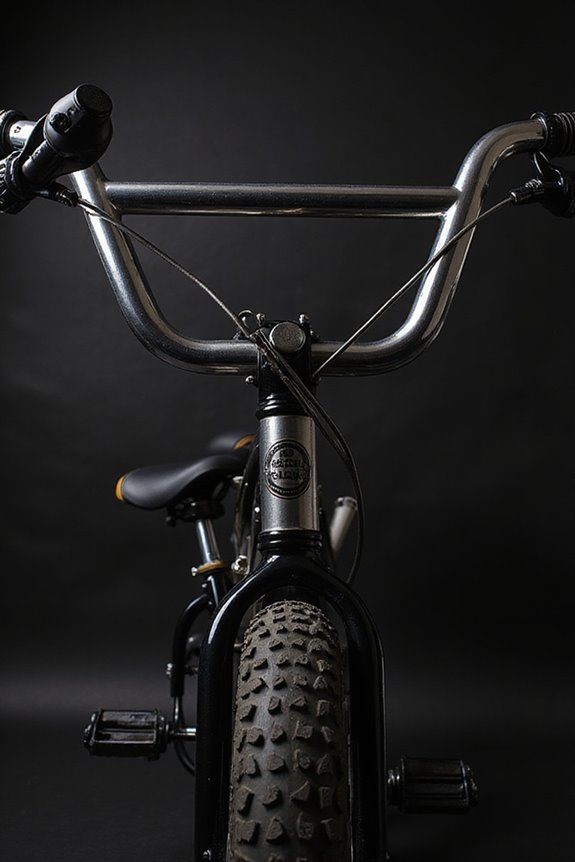
How To Plan A BMX Race Training Week?

Planning a BMX race training week is all about balance! We should mix consistent practice, strength workouts, and recovery sessions. Let’s focus on skills like explosive starts and smooth pedaling during our track sessions, while also including strength training for leg power! Don’t forget to hydrate and set goals to track progress. With regular feedback and coaching support, we can enhance our performance and keep improving! Stick around, and we’ll cover more details to get you race-ready!
Key Takeaways
- Schedule two track sessions weekly for skill development and fitness, focusing on explosive starts and smooth pedaling techniques.
- Complement track training with off-track workouts, including sprints and strength training exercises for improved endurance and power.
- Set specific weekly goals for skill improvement and monitor hydration strategies to enhance overall performance.
- Incorporate strength and plyometric exercises, such as squats and box jumps, to develop leg power and overall athletic ability.
- Utilize performance monitoring tools and regular feedback sessions to track progress, analyze techniques, and make necessary adjustments to training plans.
Understanding the Importance of Consistent Training
You may be interested


When it comes to BMX racing, consistency is key! When we train regularly, we’re not just riding; we’re developing discipline, perseverance, and eventually, mental toughness. This discipline builds our confidence for race day, making it easier to face challenges head-on.
Plus, consistent training isn’t just about pushing harder; it’s also about injury prevention. By mastering proper techniques, we gain control that minimizes our risk of falls or collisions. Think of flexibility exercises as our safety net—they keep aches and strains at bay! Additionally, incorporating safety features in bikes can enhance our riding experience and ensure we stay protected during training.
Structuring Your Weekly Training Schedule
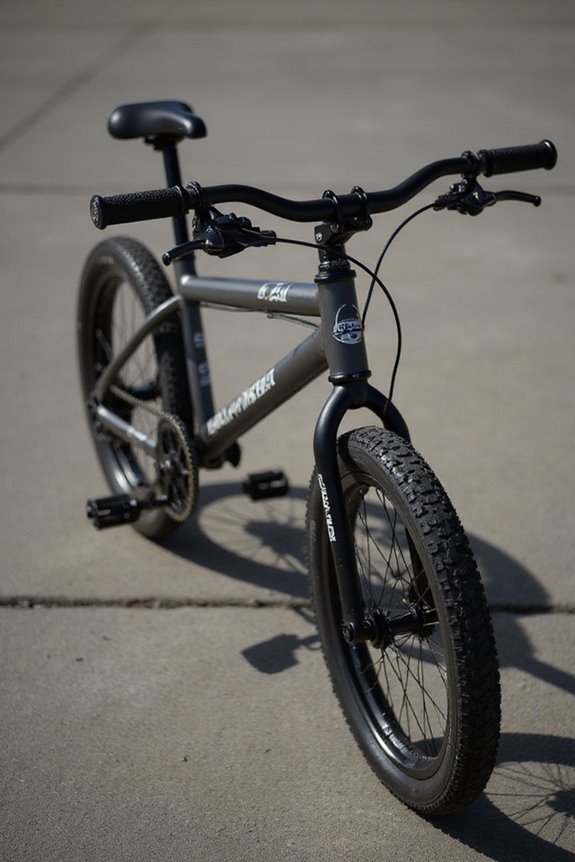
Now that we’ve seen how essential consistency is for our training, let’s get into how to structure our weekly schedule!
Track Sessions
We should plan for two dedicated track sessions each week to build our skills and prep for races. Let’s focus on both technical drills and fitness!
Off-Track Workouts
Don’t forget about off-track activities like sprints and strength training. They help us build power and endurance.
Goal Visualization
Each week, we could set specific goals, whether it’s improving our jump technique or lap speed. Tracking our progress creates motivation!
Hydration Strategies
Lastly, let’s incorporate hydration strategies into our plan. Staying properly hydrated supports our performance, especially during those tough training sessions. Additionally, wearing a DOT-certified helmet during our training sessions ensures that we are prioritizing safety while we push our limits.
With a solid schedule, we’ll crush our BMX goals together!
Developing Fundamental Skills for Young Riders
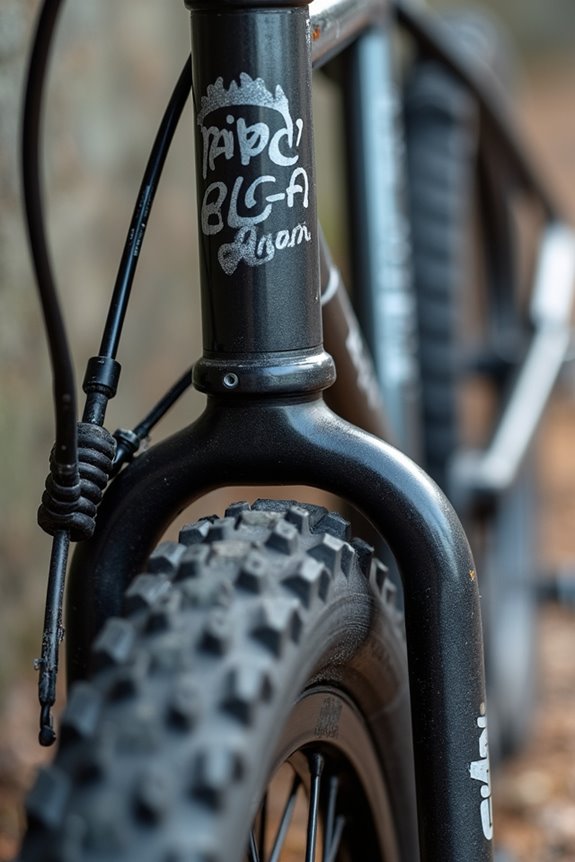
Developing fundamental skills for young riders is crucial if we want to take our BMX game to the next level! We should start by mastering explosive starts from a stationary position; it helps us gain an edge off the gate. Smooth, efficient pedaling using the balls of our feet is key to maintaining speed and momentum.
Next, let’s focus on balance techniques! Practicing wheelies and manuals enhances our bike control, making it easier to navigate obstacles and tight corners. We should also encourage gradual rear braking to avoid wheel lock, ensuring we stay stable. Riding on flat pedals lets us develop our coordination and reflexes without the fuss of clipped-in feet. Remember, mastering these basics is crucial for our riding journey! Additionally, utilizing reliable braking systems, like U or V-brakes, is essential for optimal trick performance and safety on the track.
Integrating Strength and Conditioning Exercises
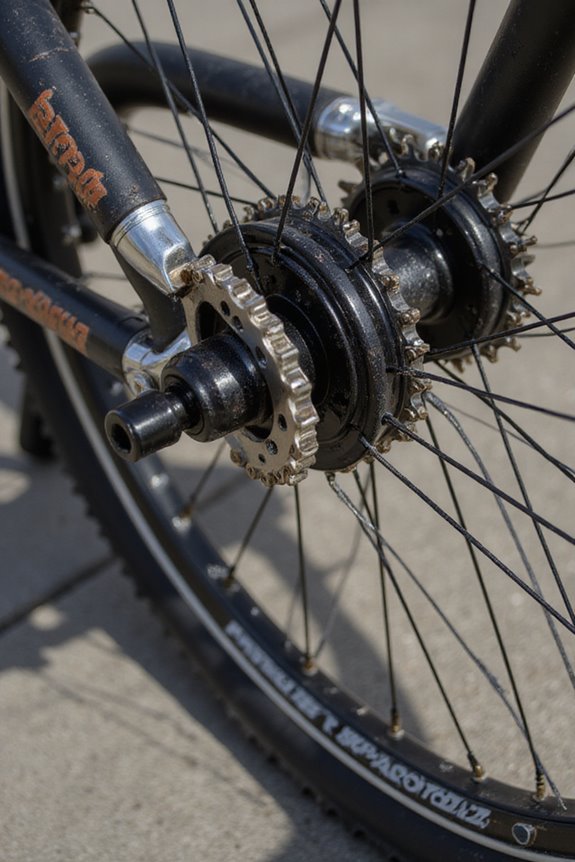
Integrating strength and conditioning exercises into our BMX training is essential if we want to boost our performance on the track! Strength training, like squats and deadlifts, builds the power we need for pedaling and jumping. Plus, bodyweight exercises, like push-ups, help improve our core stability.
Let’s not forget the importance of plyometric integration! Standing box jumps and hurdle jumps enhance our explosive leg power, making those quick starts easier. Additionally, focusing on foundational skills during strength training will ensure that we build a solid base for advanced techniques on the bike.
Recommended Products

415 LB WEIGHT SET: 45 lb Pair (2), 35 lb Pair (1), 25 lb Pair (2), 10 lb Pair (2), 5 lb Pair (2), and 2.5 lb Pair (1) of XMARK TEXAS STAR Rubber Olympic Weight Plates. Barbell collars NOT included.

PATENTED INTERNAL PROGRESSIVE RESISTANCE VIA EDDY CURRENT: Features friction-less, progressive resistance that accurately simulates the rolling and wind resistance you encounter while cycling outdoors, providing a more natural and challenging workout.

High-Precision Brushless Motor:Equipped with an 85 N·m brushless motor, the CYCPLUS T2 delivers powerful resistance up to 𝟐𝟐𝟎𝟎𝐖 with ±𝟏% power accuracy — no calibration needed.
Focusing on Technical Skill Development
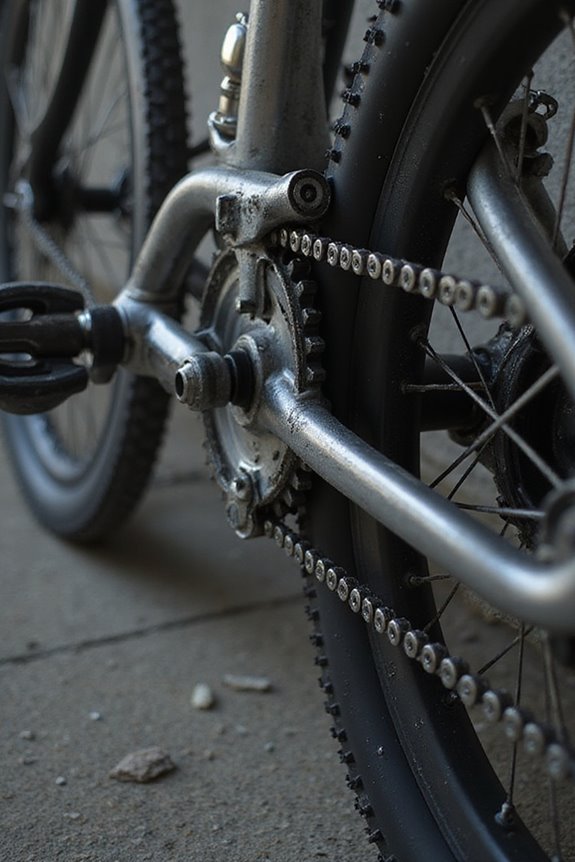
Focusing on technical skill development is vital for our BMX success. Let’s plunge into some effective technical drills to hone our abilities:
- Mastering Gate Starts: We’ll practice repeatedly to boost our explosive power.
- Cornering Techniques: This helps us maintain speed while maneuvering turns smoothly.
- Pumping Through Rhythm Sections: Proper body positioning can really maximize our speed without the need for pedaling!
- Jump Technique: We need to work on our takeoff, in-air control, and landing to maintain safety and momentum.
Additionally, integrating cornering techniques into our regular practice can significantly enhance our overall performance on the track. Let’s not forget to regularly assess our skills. Tracking our progress will keep us motivated and focused on improvements! Let’s ride!
Incorporating Sprint and Interval Training
When we want to take our BMX racing to the next level, incorporating sprint and interval training is key! These sprint techniques—like standing starts and flat sprints—help us develop explosiveness and speed. By using different interval variations, we can push our limits with high-intensity bursts followed by active recovery.
Let’s focus on training adaptations too! Mixing in resistance exercises can boost our power outputs. Remember, during sprint testing, balancing recovery strategies is essential for effective fatigue management. Our sessions should incorporate endurance building, like hill repeats, to improve overall performance metrics. Additionally, understanding the importance of frame material quality can enhance our bike’s performance during these rigorous training sessions.
Finally, tracking our progress helps us see gains and stay motivated. So, let’s get to work and bring our BMX skills to new heights!
Recommended Products

Designed for beginner-level riders, the Mongoose Title Pro BMX race bike is a trophy-worthy bike at an amazingly affordable price. Suggested rider height is 5'3" - 5'8".

L20 is a stylish freestyle BMX bike that offers everything a beginning rider needs to hit the streets and pop off curbs, Suggested rider height is 4’8”-5’4”
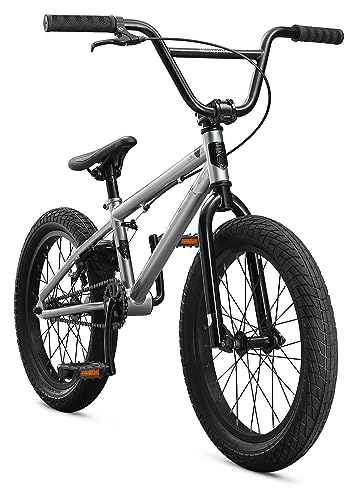
Legion L18 is the perfect in-between option for our kids who wants the features of a standard 20 inch BMX bikes but require a slightly smaller frame, rider height recommendation is 3'8" to 4'8"
Enhancing Race-Specific Skills Through Group Coaching
Enhancing our race-specific skills can make all the difference in our BMX performance! Group coaching can really help us improve. With effective group dynamics, we get to practice techniques like manuals, bunny-hops, and balance drills together. It’s not just about speed but about mastering our skills!
During sessions, we can conduct skill assessments where we explain our techniques to each other. Watching others and adapting our approaches can spark creativity and help us tackle different track challenges. Plus, even as experienced riders, going back to basics boosts our confidence and refines our skills.
Working together in a supportive environment alleviates anxiety and encourages motivation. So let’s embrace these group sessions to truly elevate our game!
Monitoring Progress With Timing Systems
Monitoring our progress with timing systems is a game-changer for BMX racers! With timing accuracy down to 0.003 seconds, we can really see where we stand in our performance. These nifty tools automatically collect our data, letting us engage in data analysis like never before.
We can track our sprint times, check gate performance, and even see how our line choices stack up. Remember, it’s not just about the finish time; we can also get insights into our start techniques and gear selection!
What’s cool is that modern systems sync wirelessly with our devices, so we can review our progress instantly. This means no more guessing—just clear, actionable feedback to help us improve and keep our competitive spirit alive!
Recommended Products

2006 Chevy LS2


Adapting Training for Different Age Groups
Adapting our training for different age groups is super important in BMX racing! It is understood that younger riders (6-16) need to focus on foundational skills like balance and agility—keeping it fun is key! For teens and adults, we’ll ramp up strength and race strategy because physical demands increase. Older riders should prioritize injury prevention and training flexibility, incorporating longer warm-ups and gentle stretching.
Here’s a quick breakdown:
- Younger Riders: Skill acquisition, lower intensity.
- Teens/Young Adults: Increased load, race-specific power.
- Older Adults: Reduced intensity, focus on recovery.
Using age-specific techniques allows us to create a supportive environment. We all grow and develop at different rates, so let’s make our training as effective as possible for everyone!
Building Confidence and Trust With the Bike
When we hop on our BMX bikes, feeling confident can make all the difference! To build bike confidence, let’s focus on trust building through safety gear. Wearing a helmet and pads helps reduce fear and boosts our self-assurance.
Next, maintaining our bike is key. A well-tuned bike enhances riding comfort and creates emotional connection. The more familiar we are with our bikes, the better we perform!
Practicing balance and mastering skills like slow-speed maneuvers improves our control. We can gradually tackle small jumps to build mental resilience and encourage a positive mindset.
As we progress, reflecting on our success reinforces bike familiarity and skill mastery. Together, let’s nurture that bond with our bikes and ride confidently!
Recovering Effectively Between Training Sessions
Recovering effectively between training sessions is essential for our BMX performance and overall well-being. We need to focus on nutritional timing and aim for balanced meals before and after rides. These meals help with muscle repair and replenishing our energy.
Let’s not forget active recovery! Light rides or stretching techniques can keep blood flowing and ease muscle tightness. Cold immersion is a cool tool for reducing inflammation after tough sessions—definitely give it a try!
We should also prioritize sleep hygiene; aiming for around 8 hours helps our bodies recover. And while we’re at it, staying hydrated is vital. Keeping these recovery modalities in mind can help us bounce back faster and stay at our best!
Using Performance Feedback for Improvement
Using performance feedback is a game changer for our BMX training! When we engage in feedback analysis, it gives us a clear look at our performance metrics. For example, audiovisual tools help us see our gate starts and improve our reaction times.
We can track our lap times to spot where we need work. It’s all about specifics, like our pedal stroke timing or jumping technique! Real-time feedback makes our learning stick, allowing us to correct mistakes quickly.
Let’s make sure we schedule regular sessions for time trials and video reviews. Tracking changes keeps our training focused and helps us know which areas to sharpen. By embracing feedback, we can all ride faster and smarter together!
The Role of Coaching Support in Training
Coaching support really amps up our BMX training! With expert coaches by our side, we get the structured guidance we need to master essential skills like manuals, bunny hops, and balance drills. They help us spot technical flaws we might miss ourselves, making our practice sessions way more efficient.
Plus, those mental resilience skills coaches teach us keep fear at bay. They build our confidence and motivate us to push through challenges. Tailored training plans focus on our specific needs, whether it’s gate starts or sprints.
And let’s not forget the importance of safety! Coaches keep an eye on our progress, helping us avoid injuries and ensuring we ride smart. Together, we’re unstoppable!
Recommended Products
Adding Variety to Your Training Routine
When we think about BMX training, it’s easy to fall into a routine that can feel a bit stale. To keep things fresh, let’s mix it up!
Cross Training Benefits
Incorporating off-bike workouts like running or swimming can boost our overall fitness without stressing our BMX muscles too much.
Skill Variety
We should also practice different BMX techniques like manuals and bunny-hops in various environments. Switching up our drills helps challenge our adaptability!
Adding plyometric exercises improves our jump height, while sprinting in different positions hones our explosive power.
Planning for Peak Performance on Race Day
So, we’ve shaken up our routine and added some variety to our training—now it’s time to focus on race day! To achieve peak performance, we need to hit a few key points.
Maximize Our Power
Sprinting at 15-20 mph for 3-5 seconds boosts our explosive power. Standing while pedaling creates higher output, so let’s use a larger gear ratio for those moments!
Strength Matters
Upper body strength helps us pump efficiently—let’s integrate exercises like bench presses and rows. Don’t forget our core; it’s essential for control during the race!
Practice Makes Perfect
We should include gate starts and high-intensity intervals to mimic race conditions. Let’s refine our technique for that early edge!
With this focus, we’re ready to tackle race day!
Frequently Asked Questions
How Do I Choose the Right BMX Bike for Training?
When we chose our first BMX bike, we felt invincible! To pick the right bike for training, consider your needs—bike types and training gears matter. Let’s find the perfect fit together, sharing our passion.
What Should I Eat Before and After Training Sessions?
Before training, we should munch on pre-training snacks like bananas or oatmeal for energy. Afterward, let’s enjoy a protein shake and whole grains for post-training recovery to fuel our bodies and soothe our muscles.
How Do I Prevent Injuries During BMX Training?
To prevent injuries during BMX training, we should prioritize warm-up techniques that engage our muscles and joints. By stretching and preparing properly, we can enjoy safer rides and reduce the risk of accidents on the track.
When Should I Start Competing in Races?
We should start competing in races once we feel confident in our skills and understand our race strategy. Ensuring competition readiness through practice will help us enjoy racing while minimizing risks. Let’s embrace the journey together!
What Gear and Equipment Do I Need for BMX Training?
When we gear up for BMX training, we can’t overlook BMX helmets and protective gear. Prioritizing bike maintenance and invigorating training drills keeps us safe and sharp for those thrilling rides together.